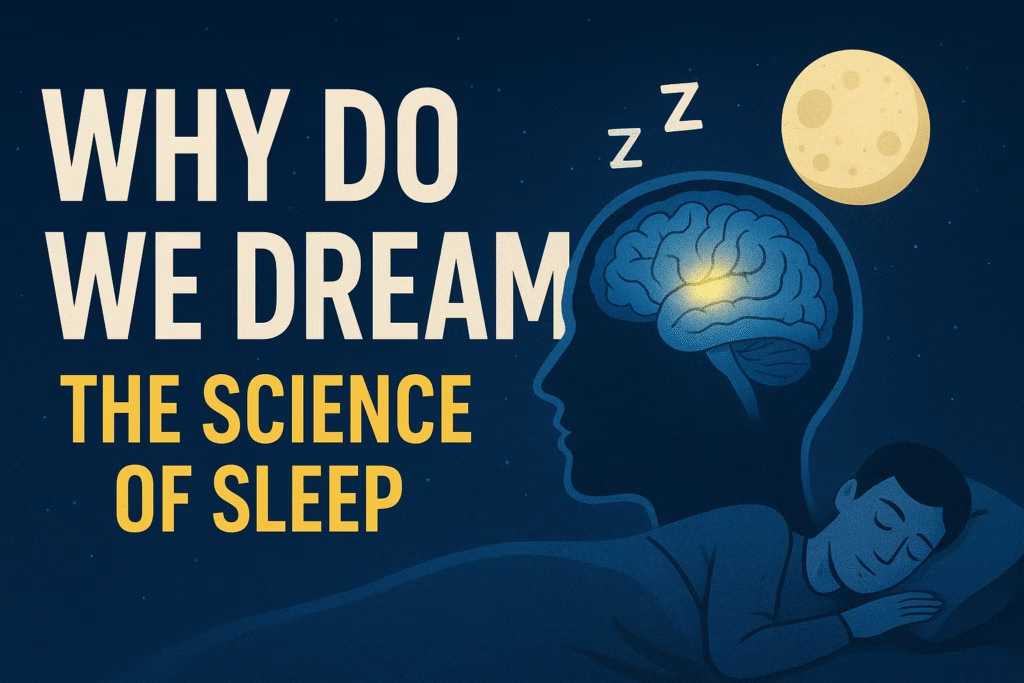

Why Do We Dream? The Science of Sleep / सपने क्यों आते हैं?
Have you ever woken up from a strange dream and wondered—“Why do we dream?” or “सपने आखिर क्यों आते हैं?”
Let’s dive into the fascinating science behind your dreams, what happens in your brain while you sleep, and why these nightly stories matter more than you think.
🧠 What Happens in the Brain During Sleep
When you sleep, your brain doesn’t “switch off”—it becomes incredibly active.
Scientists have found that the brain organizes memories, emotions, and thoughts during sleep.
- The hippocampus sorts your daily memories.
- The amygdala handles emotions.
- The cerebral cortex weaves memories into dream sequences.
During deep sleep, your body rests, but during REM sleep (Rapid Eye Movement)—your mind starts creating dreams.
🌙 REM Sleep and the Science of Dreaming
REM sleep usually starts 90 minutes after you fall asleep.
Your eyes move quickly under your eyelids, your breathing becomes faster, and brain activity increases—almost like when you’re awake.
That’s when dreams are most vivid.
According to sleep researchers, we dream 3–6 times every night, but forget most of them within minutes of waking up.
Fun Fact:
When you dream during REM sleep, your body temporarily paralyzes major muscles to prevent you from acting out your dreams!
💭 Types of Dreams and What They Mean
Dreams can be happy, scary, realistic, or completely random.
Here are a few common types:
- Lucid Dreams: You realize you’re dreaming and can control the story.
- Nightmares: Triggered by stress, trauma, or anxiety.
- Recurring Dreams: Often linked to unresolved emotions or memories.
- Daydreams: Short, semi-conscious imaginations while awake.
Psychology Tip: Dreams don’t predict the future, but they mirror your thoughts, fears, and desires.
⏰ Why We Forget Dreams So Quickly
Ever had a dream that vanished seconds after waking?
That’s because your frontal lobe—the brain area responsible for memory—remains less active during REM sleep.
As soon as you wake up, your brain switches focus from imagination to awareness, erasing the dream quickly.
Pro Tip: Keep a dream journal beside your bed and write immediately after waking. It strengthens memory and self-awareness.
🧩 5 Fascinating Facts About Dreams
- You dream every night, even if you don’t remember.
- Blind people also experience dreams (through sound, touch, and emotions).
- Animals like cats, dogs, and even rats dream too!
- Your brain waves during dreams are similar to when you’re awake.
- Stress, caffeine, and blue light reduce your dream frequency and sleep quality.
🧘 How Dreams Affect Memory & Emotions
Dreams help your mind process emotions and form long-term memories.
During REM sleep, your brain replays emotional experiences and files them properly—this helps reduce anxiety and improve creativity.
So, if you skip sleep, your brain can’t “clean up” your emotional clutter—leading to mood swings and memory problems.
💤 How to Get Better Sleep for Healthier Dreams
- Stick to a fixed bedtime.
- Avoid screens 1 hour before sleep.
- Drink warm milk or chamomile tea.
- Try deep breathing or meditation before bed.
- Keep your room cool, dark, and quiet.
Better sleep = better dreams = better brain health. 🌟
🤔 FAQs (Google FAQ Schema Section)
Q1: Why do we dream every night?
Dreaming is part of the brain’s emotional and memory processing during REM sleep.
Q2: What happens if we don’t dream?
Lack of dreams may indicate poor REM sleep, often caused by stress or disrupted sleep cycles.
Q3: Can dreams predict the future?
No scientific evidence supports that. Dreams reflect your inner mind, not real-world predictions.