
🍽️ Why We Feel Hungry (The Science Explained)
Have you ever wondered why your stomach suddenly tells you it’s time to eat?why we feel hungry
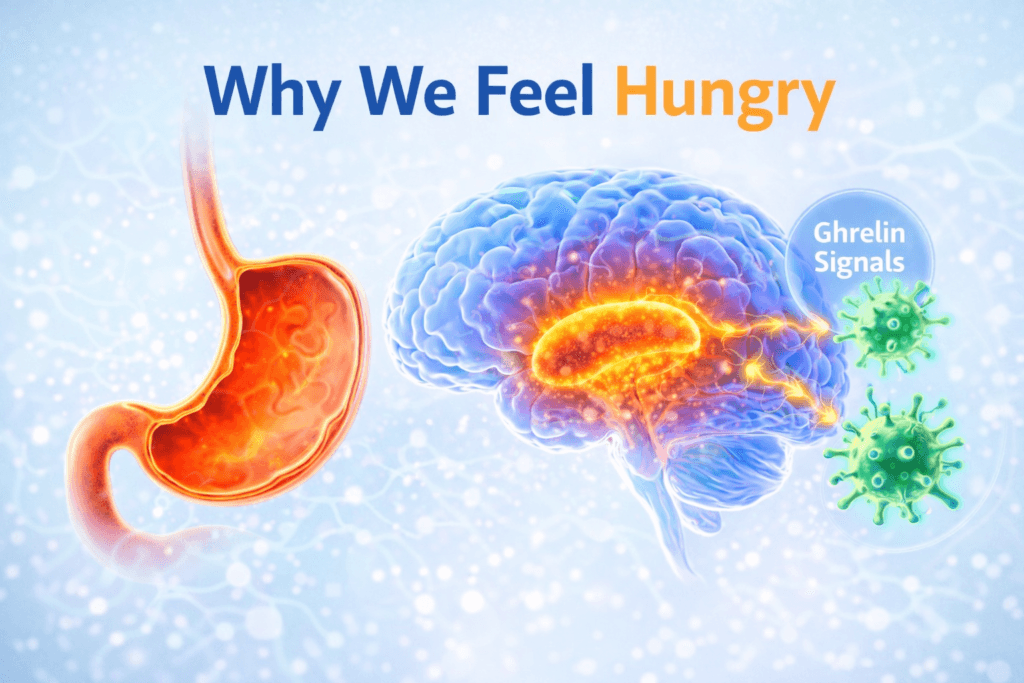
Hunger is not just an empty feeling in your stomach. It is actually a complex communication system between your brain, hormones, stomach, and energy levels.
Your body constantly monitors how much energy it has available. When that energy starts to drop, your body sends signals that make you feel hungry.
Let’s explore how this fascinating system works.
🧠 The Brain Controls Hunger
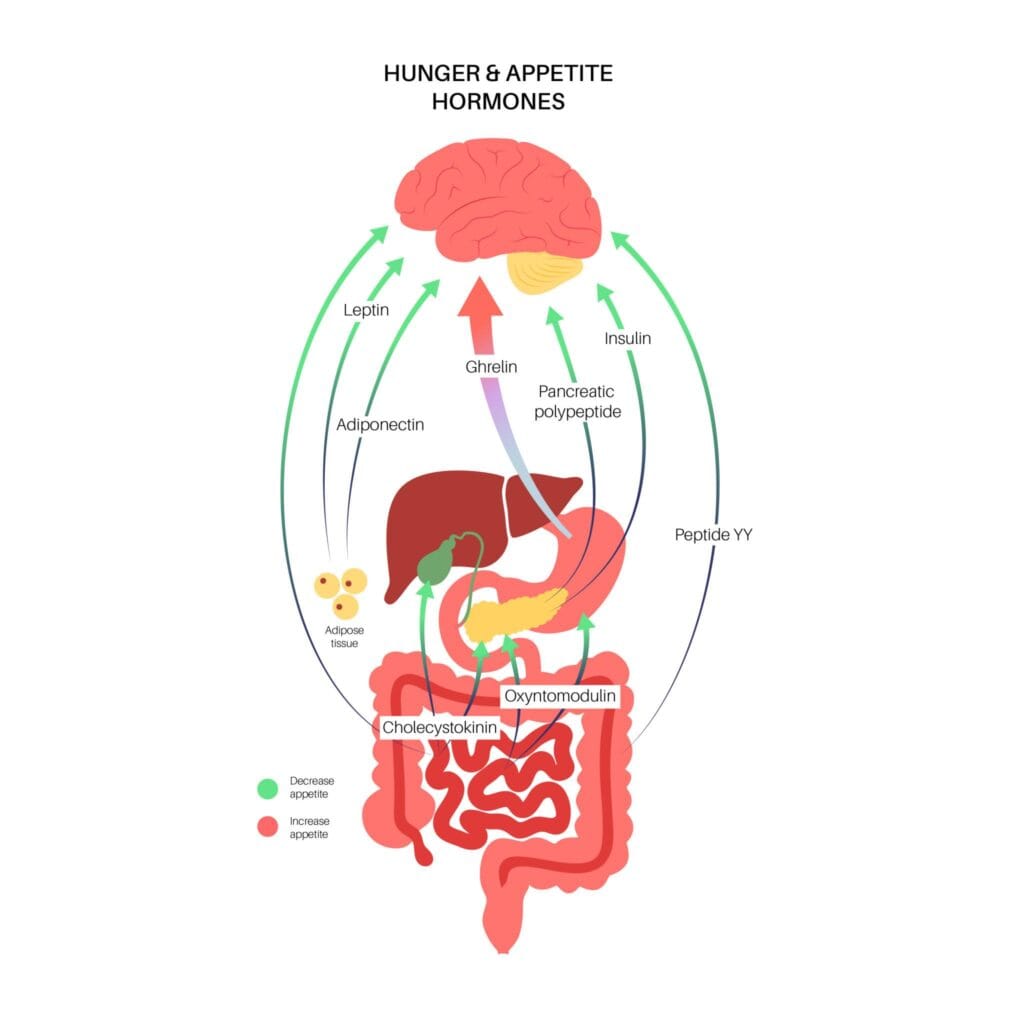
The feeling of hunger begins in the brain, specifically in a region called the hypothalamus.
The hypothalamus works like a control center for body balance. It monitors things such as:
- body temperature
- thirst
- energy levels
- hunger
When your body’s energy levels drop, the hypothalamus sends signals telling you it’s time to eat.
This is why hunger is actually a brain-driven signal, not just a stomach problem.
🧬 Hormones Play a Big Role
Your body uses hormones to communicate hunger and fullness.
Two important hormones control this system.
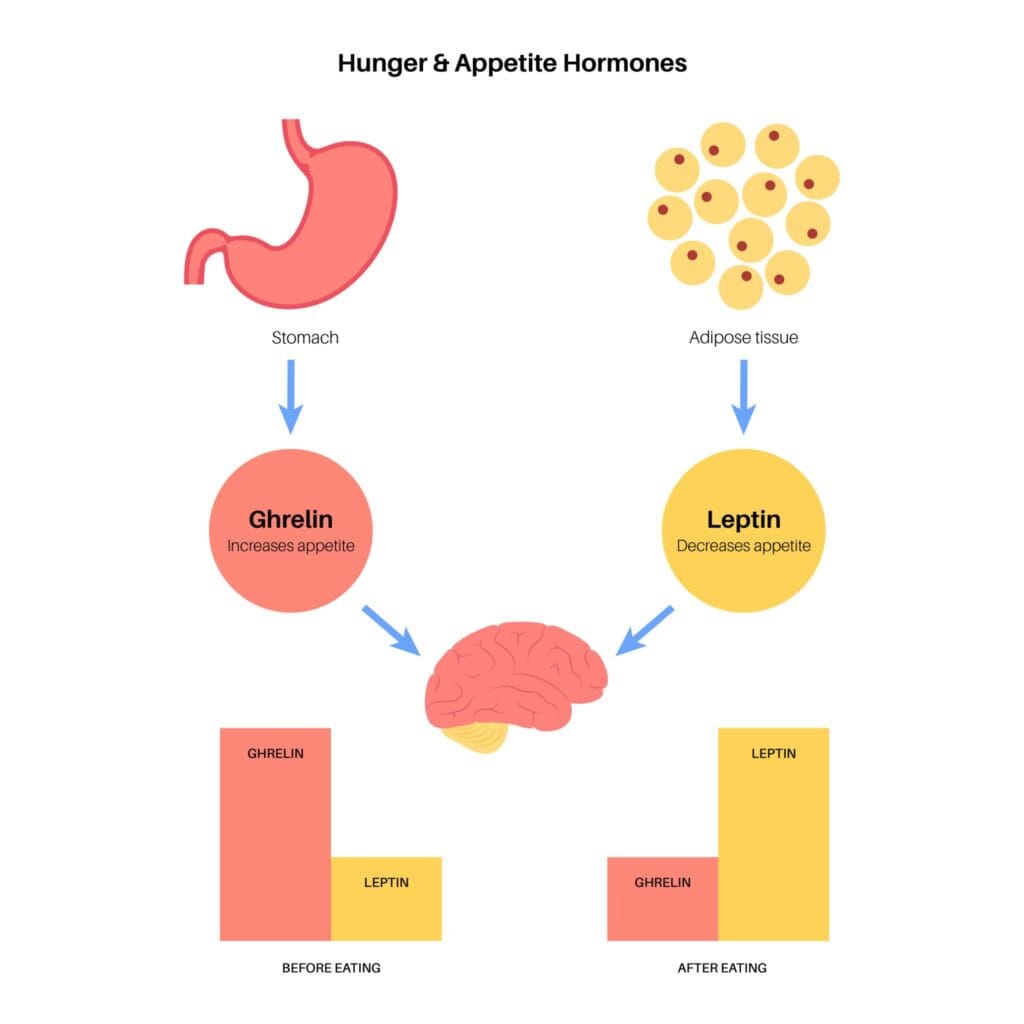
Ghrelin — The Hunger Hormone
Ghrelin is released mainly by the stomach.
When your stomach is empty, ghrelin levels increase.
This hormone travels to the brain and tells it:
“We need food.”
As ghrelin levels rise, you begin to feel hungry.
Leptin — The Fullness Hormone
Leptin is produced by fat cells.
It sends signals to the brain when your body has enough energy stored.
Leptin tells the brain:
“We have enough fuel.”
This helps reduce hunger and prevents overeating.
⚡ Your Body Needs Energy
Your body constantly uses energy to keep you alive.
Even when you are resting, your body is still using energy for:
- breathing
- heart beating
- brain activity
- cell repair
This energy mainly comes from glucose, which is derived from the food you eat.
When glucose levels drop, the body starts triggering hunger signals.
🍔 The Stomach Also Sends Signals
Your stomach also participates in hunger signals.
When it becomes empty, it releases hormones and may start contracting.
These contractions are sometimes heard as stomach growling, also known as borborygmi.
These sounds are simply your digestive system moving gas and fluids through the intestines.
They often happen when the stomach is empty.
🧠 Why Hunger Can Feel Strong
Hunger is designed to be a powerful signal.
From an evolutionary perspective, our ancestors needed strong hunger signals to ensure they ate enough to survive.
Without hunger, humans might forget to eat.
So the body developed a system that makes hunger hard to ignore.
🍩 Why Certain Foods Make You Hungry Faster
Not all foods keep you full for the same amount of time.
Foods high in simple sugars can cause rapid spikes and drops in blood sugar.
When blood sugar drops quickly, hunger returns faster.
Foods that keep you full longer usually contain:
- protein
- fiber
- healthy fats
These slow digestion and maintain stable energy levels.
😴 Lack of Sleep Can Increase Hunger
Sleep affects hunger hormones.
When you do not get enough sleep:
- ghrelin levels increase
- leptin levels decrease
This combination makes you feel hungrier and may increase cravings for high-calorie foods.
This is one reason poor sleep is linked to weight gain.
🧬 Stress Can Also Trigger Hunger
Stress hormones such as cortisol can influence hunger.
When stress levels rise, cortisol can increase appetite.
Many people experience stress eating, where emotional stress triggers cravings for food.
This is a biological response that developed to help humans survive stressful environments.
⏳ Hunger Follows a Daily Rhythm
Your hunger often follows a daily pattern influenced by your body’s circadian rhythm.
Your body learns when you usually eat.
If you eat lunch every day at the same time, your brain may start preparing for food before that time arrives.
This can trigger hunger even if your energy levels are still adequate.
🧠 The Brain Is Always Monitoring Energy
The brain constantly evaluates signals from:
- hormones
- blood sugar levels
- stomach activity
- fat stores
Using this information, it decides whether to trigger hunger or fullness.
This system helps maintain energy balance in the body.
🌟 The Bigger Picture
Hunger is not just a feeling.
It is a sophisticated biological system designed to ensure your body always has enough energy to survive.
Your brain, hormones, stomach, and metabolism all work together to regulate when you should eat.
Understanding hunger helps us better understand how our bodies maintain balance and health.
💡 Final Thought
The next time you feel hungry, remember that your body is not simply asking for food.
It is responding to a complex network of signals that have evolved over millions of years to keep you alive and energized.
Your hunger is actually your body’s way of protecting you.
And that’s another fascinating example of how the human body works.
❓ FAQ
Humans feel hungry when energy levels drop and hormones like ghrelin signal the brain to eat.
Ghrelin is the primary hormone that triggers hunger signals in the brain
The hypothalamus controls hunger and appetite.
Yes. Poor sleep increases ghrelin and decreases leptin, which can increase hunger.
http://facebook.com/sciencegajab/
READ FURTHER how pain works
The Science of Happiness: How Dopamine Hacks Your Brain