Have you ever studied for a long time and suddenly felt mentally drained, unable to concentrate, or sleepy? Even though studying doesn’t involve physical activity like running or lifting weights, your brain can still become tired and exhausted.
This feeling is known as mental fatigue, and it happens because studying requires intense brain activity. Your brain consumes energy, processes large amounts of information, and activates multiple neural networks.
Let’s explore why your brain feels tired after studying and what’s happening inside your brain during mental effort.
1. Your Brain Uses a Lot of Energy
Although the brain makes up only about 2% of your body weight, it consumes around 20% of the body’s energy.
When you study:
- neurons communicate rapidly
- memory networks become active
- attention systems work harder
All these processes require glucose and oxygen to produce energy.
The more you concentrate, the more energy your brain uses. After prolonged studying, this high energy demand can cause mental exhaustion.
2. Neurotransmitters Get Temporarily Depleted
Your brain communicates using chemical messengers called neurotransmitters.
Important neurotransmitters involved in studying include:
- dopamine – motivation and focus
- acetylcholine – learning and memory
- glutamate – information processing
During intense studying, neurons release these chemicals repeatedly.
Over time, their levels may temporarily decrease, which can reduce:
- alertness
- motivation
- concentration
This contributes to the feeling of mental tiredness.
3. Information Overload
Studying often requires absorbing large amounts of new information.
Your brain must:
- analyze the information
- store it in memory
- connect it with existing knowledge
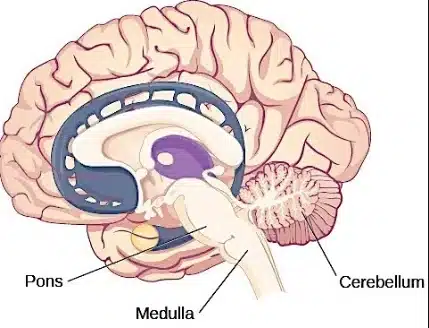
This process puts heavy load on the prefrontal cortex, the part of the brain responsible for:
- decision making
- attention
- problem solving
When too much information arrives at once, the brain becomes overloaded, leading to cognitive fatigue.
4. Your Brain Is Strengthening Neural Connections
Learning is not just about memorizing facts. It actually changes the physical structure of your brain.
When you study something new:
- neurons form stronger connections
- new neural pathways develop
- synapses become more efficient
This process is called synaptic plasticity.
Although it is essential for learning, it requires significant energy and biological resources, which can make your brain feel tired.
learn 🧠 Why Does Your Brain Forget Things? The Science Will Surprise You
5. The Brain Builds Up Metabolic Waste
Just like muscles produce waste products during exercise, the brain also produces metabolic byproducts during intense activity.
These substances accumulate around neurons and can temporarily reduce neural efficiency.
This buildup contributes to feelings of:
- mental fog
- reduced concentration
- tiredness
Later, during sleep, the brain clears these waste products through the glymphatic system.
6. Eye Strain and Screen Fatigue
Modern studying often involves long hours of screen time.
Looking at screens for extended periods can cause:
- eye strain
- headaches
- mental fatigue
Your eyes and brain constantly process visual information, which adds to overall cognitive workload.
This is one reason why students studying on computers may feel more exhausted than those reading printed materials.
7. Lack of Breaks Overloads the Brain
Your brain works best in short focused sessions.
When you study continuously without breaks:
- attention networks become fatigued
- concentration declines
- mistakes increase
Research shows the brain benefits from short recovery periods that allow neural systems to reset.
Without breaks, the brain becomes overwhelmed and mental fatigue increases.
learn also Parts of the Human Brain and Their Functions Explained | Science Gajab
Signs of Brain Fatigue While Studying
Common symptoms include:
- difficulty concentrating
- slower thinking
- forgetfulness
- headaches
- irritability
- feeling sleepy
These are natural signals that your brain needs rest or a change of activity.
How to Prevent Brain Fatigue While Studying
Here are simple ways to keep your brain energized.
1. Use the Pomodoro Technique
Study for 25–50 minutes, then take a 5–10 minute break.
This method helps maintain focus while preventing mental exhaustion.
2. Stay Hydrated
Even mild dehydration can reduce brain performance.
Drinking water supports:
- oxygen delivery
- brain metabolism
- concentration
3. Eat Brain-Friendly Foods
Your brain needs nutrients to function well.
Helpful foods include:
- nuts
- fruits
- eggs
- fish
- whole grains
These foods provide steady energy for the brain.
4. Move Your Body
Physical movement increases blood flow to the brain.
Even a short walk can improve:
- memory
- focus
- mental clarity
5. Get Enough Sleep
Sleep is essential for learning.
During sleep, the brain:
- consolidates memories
- repairs neurons
- clears metabolic waste
Without adequate sleep, studying becomes much more difficult.
The Bottom Line
Your brain feels tired after studying because it is performing intense mental work. Learning requires energy, neurotransmitters, neural rewiring, and information processing.
Several factors contribute to this fatigue:
- high energy consumption
- neurotransmitter activity
- information overload
- neural connection strengthening
- metabolic waste buildup
Although mental fatigue can feel frustrating, it is actually a sign that your brain is actively learning and adapting.
Taking breaks, sleeping well, and maintaining healthy habits can help keep your brain focused and energized during study sessions.