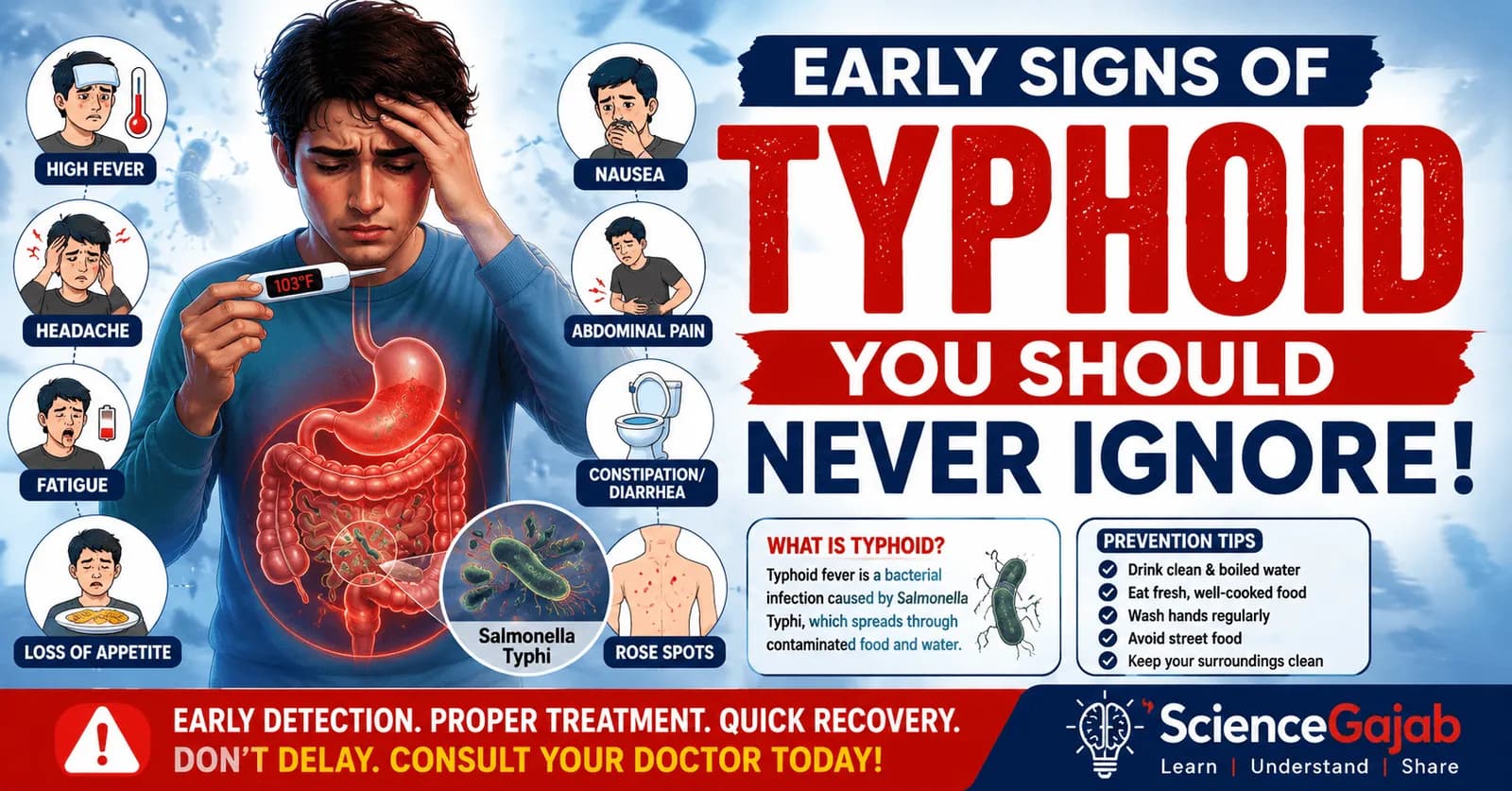
Early Signs of Typhoid
Typhoid fever is a serious bacterial infection caused by Salmonella Typhi. It spreads through contaminated food, water, or close contact with an infected person. Although typhoid is preventable and treatable with antibiotics, delayed diagnosis can lead to life-threatening complications.
The disease usually develops gradually over several days. Recognizing the early signs of typhoid is important because timely treatment can prevent severe illness and reduce the risk of complications.
In this article, we'll discuss the early symptoms of typhoid, causes, stages, diagnosis, treatment, prevention, and when you should consult a doctor.
What Is Typhoid Fever?
Typhoid fever is a bacterial infection that primarily affects the digestive system and bloodstream. The bacteria enter the body through contaminated food or water, multiply in the intestines, and spread throughout the body via the bloodstream.
Without treatment, typhoid fever can damage the intestines, liver, spleen, and other organs.
Chickenpox Symptoms: Early Signs, Stages, Causes, Treatment & When to See a Doctor
Early Signs of Typhoid
The symptoms usually appear 6–30 days after exposure to the bacteria.
Early Signs of Typhoid
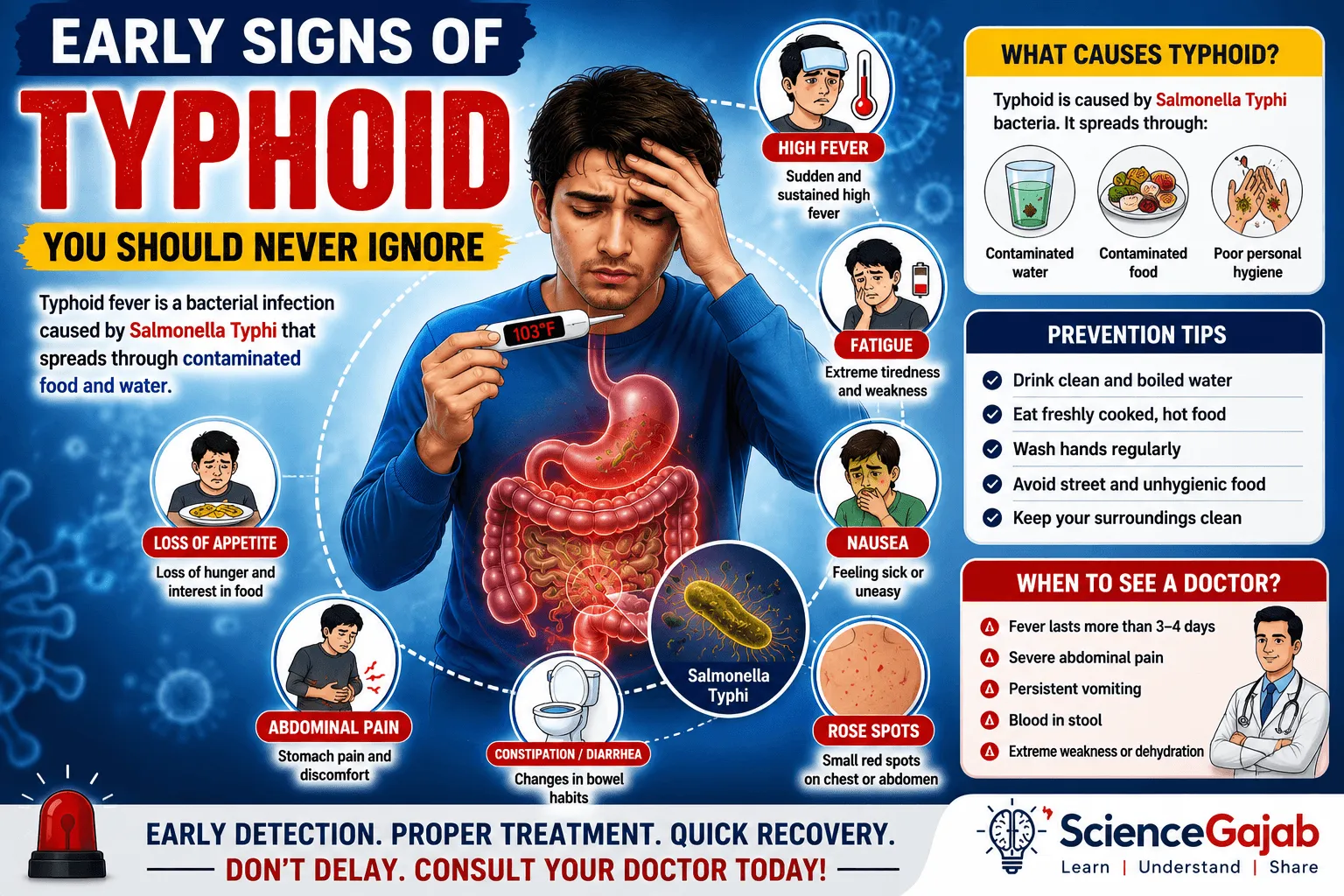
1. Persistent High Fever
The hallmark symptom of typhoid is a fever that rises gradually over several days.
The temperature may reach 39–40°C (102–104°F) and remain high.
Unlike many viral fevers, typhoid fever often persists for several days without significant improvement.
2. Constant Headache
Many patients develop a persistent headache early in the illness.
The headache is often dull and may worsen as the fever increases.
3. Extreme Weakness and Fatigue
The infection causes intense tiredness.
Patients commonly experience:
- Lack of energy
- Difficulty performing daily activities
- General body weakness
- Feeling exhausted even after resting
4. Loss of Appetite
People with typhoid often lose interest in eating.
Reduced appetite may contribute to:
- Weight loss
- Nutritional deficiencies
- Delayed recovery
5. Abdominal Pain
Mild to moderate stomach pain is common.
Pain usually occurs around the lower abdomen or near the belly button.
Some patients also experience abdominal tenderness.
6. Constipation or Diarrhea
Digestive symptoms vary depending on age.
Adults often develop constipation during the early stage.
Children are more likely to experience diarrhea.
Some patients alternate between both.
7. Dry Cough
A persistent dry cough may appear during the first week of illness.
Unlike respiratory infections, the cough is usually not associated with severe throat pain.
8. Muscle and Joint Pain
Many patients report:
- Body aches
- Muscle pain
- Joint discomfort
- Generalized soreness
These symptoms resemble influenza.
Why Do Muscles Shake? The Hidden Reason Your Body Loses Control!
9. Nausea and Vomiting
Some individuals experience:
- Nausea
- Occasional vomiting
- Feeling sick after meals
These symptoms can worsen dehydration.
Why Does the Body Become Weak Suddenly? (Simple Explanation You Can Trust)
10. Skin Rash (Rose Spots)
Around the second week, some patients develop small pink-colored spots on the chest or abdomen.
These "rose spots" are a classic but not always present sign of typhoid.
11. Enlarged Liver or Spleen
Doctors may detect mild enlargement of the liver or spleen during physical examination.
This usually occurs as the infection progresses.
Functions of the Spleen: Structure, Roles, and Why This Organ Is Important
12. Confusion or Drowsiness (Severe Cases)
If typhoid is left untreated, it may affect the brain.
Warning signs include:
- Confusion
- Excessive sleepiness
- Difficulty staying alert
These symptoms require urgent medical care.
Why Your Brain Suddenly Makes You Feel Dizzy
How Does Typhoid Spread?
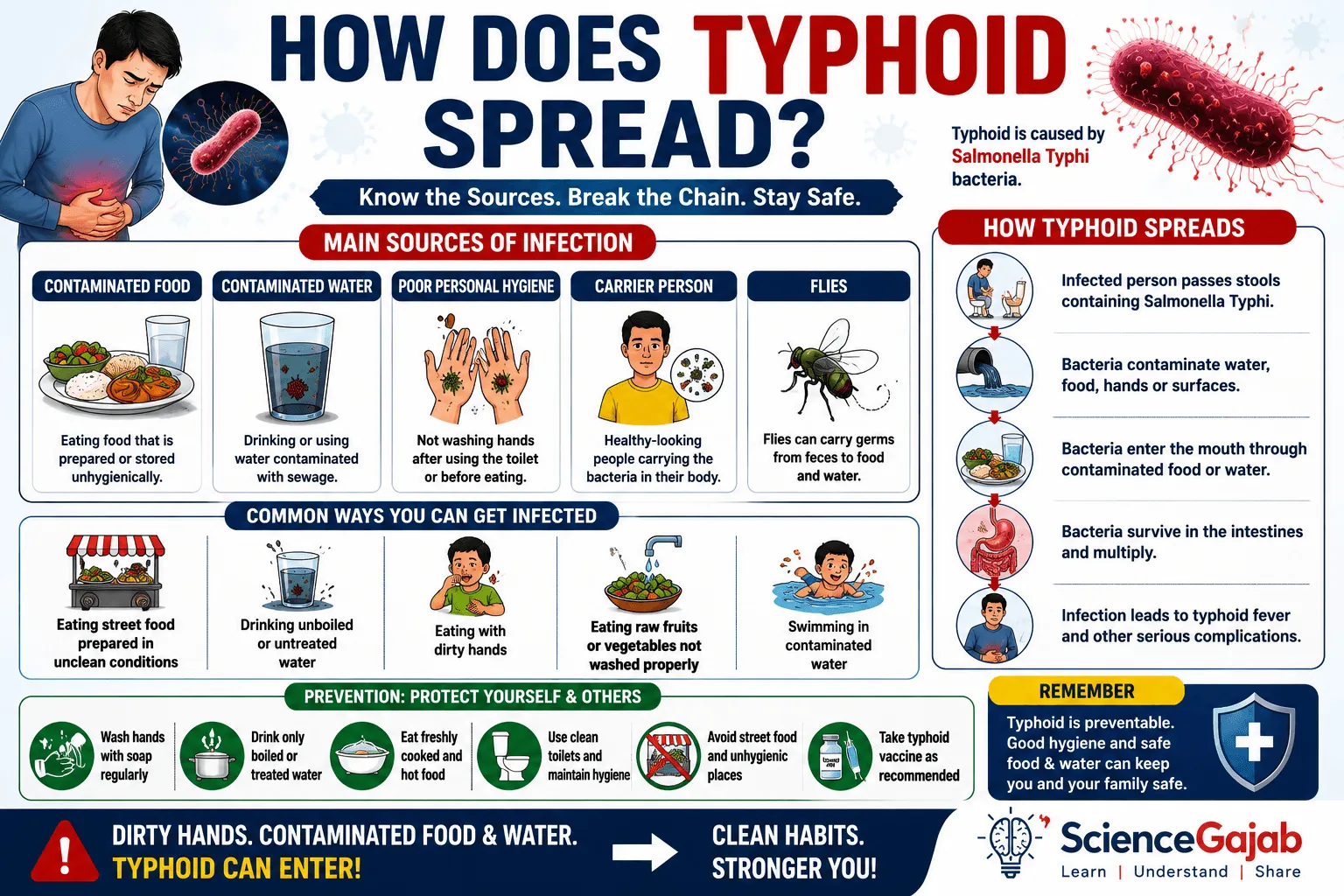
Typhoid spreads through the fecal-oral route.
Common sources include:
- Drinking contaminated water
- Eating contaminated food
- Poor hand hygiene
- Food handled by infected individuals
- Consuming raw fruits or vegetables washed with contaminated water
Who Is at Higher Risk?
The risk of typhoid is higher among:
- Travelers to areas with poor sanitation
- Children
- People living in crowded conditions
- Individuals without access to clean drinking water
- Healthcare workers exposed to infected patients
Modes of Virus Transmission with Examples (Airborne, Vector, Contact) – Easy Guide for Students
How Is Typhoid Diagnosed?
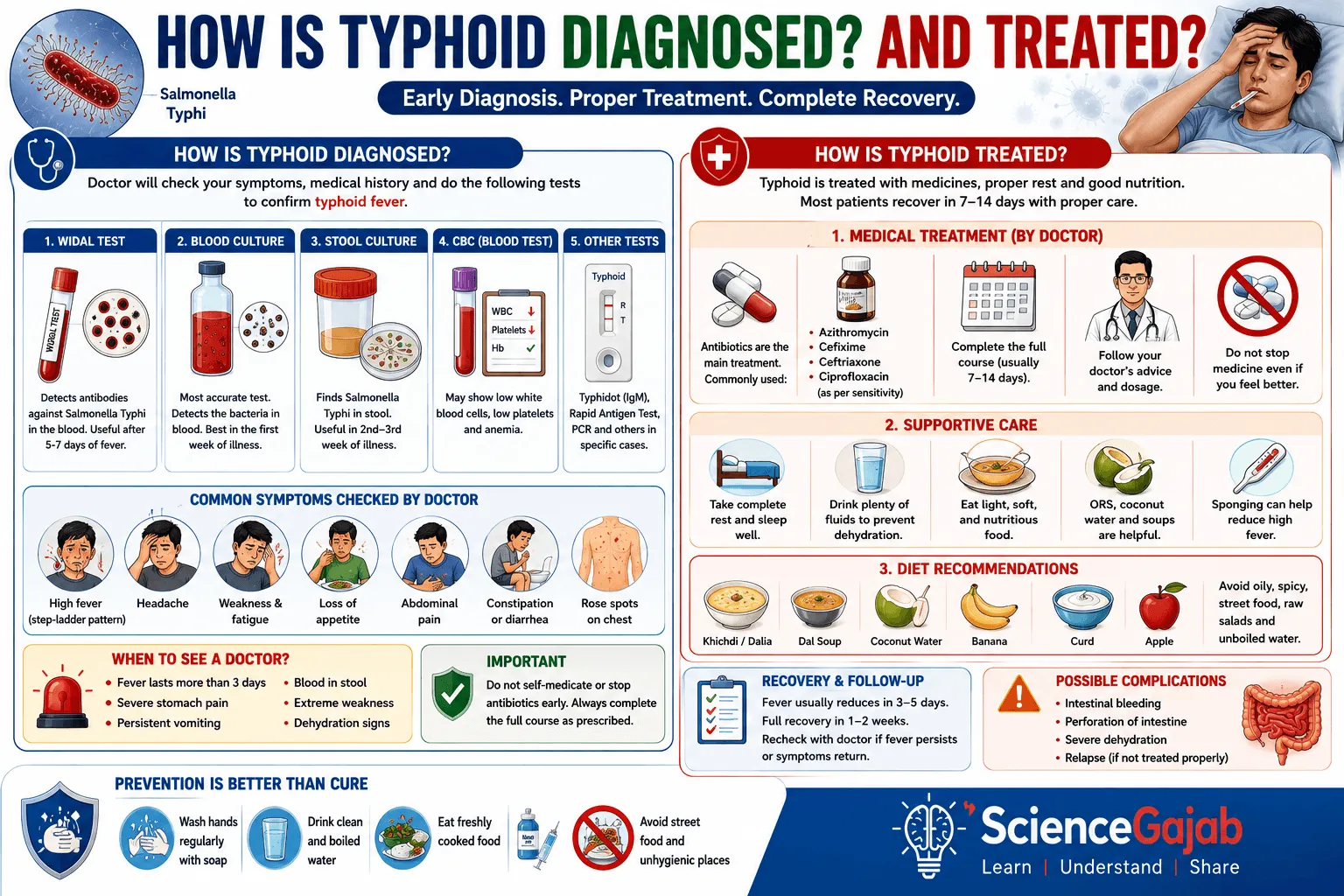
Doctors diagnose typhoid based on symptoms, medical history, and laboratory tests.
Common investigations include:
Blood Culture
The most reliable test during the first week of illness.
Complete Blood Count (CBC)
May show changes in white blood cell counts and other blood parameters.
Widal Test
A commonly used test in some regions, though it is less accurate than blood culture and should be interpreted cautiously.
Stool or Urine Culture
Useful later in the illness to identify the bacteria.
Treatment of Typhoid Fever
Early treatment significantly improves recovery.
Antibiotics
Doctors prescribe antibiotics based on local resistance patterns.
It is important to complete the full course, even if symptoms improve.
Stay Hydrated
Drink plenty of:
- Water
- Oral rehydration solution (ORS)
- Clear soups
- Coconut water
to prevent dehydration.
Adequate Rest
Rest helps the immune system fight the infection more effectively.
Nutritious Diet
Eat soft, easily digestible foods such as:
- Rice
- Khichdi
- Bananas
- Boiled vegetables
- Yogurt (if tolerated)
Avoid spicy, oily, and unhygienic foods until recovery.
Possible Complications
If left untreated, typhoid may lead to serious complications, including:
- Intestinal bleeding
- Intestinal perforation
- Sepsis
- Meningitis (rare)
- Kidney infection
- Pneumonia
These complications can be life-threatening and require emergency treatment.
How to Prevent Typhoid
You can reduce your risk by following these preventive measures:
- Wash hands thoroughly with soap before eating and after using the toilet.
- Drink only boiled, filtered, or bottled water.
- Avoid raw or undercooked foods in high-risk areas.
- Peel fruits yourself before eating.
- Maintain good kitchen hygiene.
- Get vaccinated if traveling to typhoid-endemic regions.
💊 How Antibiotics Kill Bacteria (And Why They Don’t Work on Viruses)
When Should You See a Doctor?
Seek medical attention immediately if you have:
- Fever lasting more than 3 days
- Persistent high fever
- Severe abdominal pain
- Continuous vomiting
- Bloody stools
- Confusion or extreme drowsiness
- Signs of dehydration, such as dizziness or reduced urination
Prompt diagnosis and treatment can prevent serious complications.
Signs of Anemia: 15 Warning Symptoms You Should Never Ignore
Frequently Asked Questions (FAQs)
The earliest symptom is usually a gradually increasing fever, often accompanied by headache, fatigue, and loss of appetite.
Mild symptoms may temporarily improve, but typhoid generally requires antibiotic treatment. Untreated infection can become severe and lead to complications.
With appropriate treatment, fever often begins to improve within 3–5 days. Without treatment, illness may persist for several weeks.
Yes. Typhoid spreads through contaminated food, water, or contact with the feces of an infected person.
Yes. Safe drinking water, proper sanitation, hand hygiene, food safety, and vaccination can greatly reduce the risk of infection.
Key Takeaways
- Typhoid fever is caused by Salmonella Typhi and spreads through contaminated food and water.
- Early symptoms include persistent fever, headache, weakness, abdominal pain, digestive problems, and loss of appetite.
- Blood culture is the most reliable diagnostic test during the early stage of illness.
- Early antibiotic treatment helps prevent serious complications.
- Good hygiene, safe drinking water, and vaccination are the best ways to prevent typhoid.
Early Signs of Serious Disease You Should Never Ignore
Medical Review
This article is based on current medical guidance from trusted organizations, including the World Health Organization (WHO), Centers for Disease Control and Prevention (CDC), and standard infectious disease references. It is intended for educational purposes only and should not replace professional medical advice.
Typhoid fever is a potentially serious bacterial infection caused by Salmonella Typhi. Early diagnosis and prompt antibiotic treatment can significantly reduce the risk of severe complications. If you have persistent high fever, severe abdominal pain, confusion, dehydration, blood in the stool, or symptoms after traveling to a typhoid-endemic area, seek medical care immediately.
Sources
- World Health Organization (WHO): Typhoid
- Centers for Disease Control and Prevention (CDC): Typhoid Fever
- Harrison's Principles of Internal Medicine
- Davidson's Principles and Practice of Medicine
Author : Dr Sanjay Prajapati (MBBS)
Last medically reviewed: Nov 2026