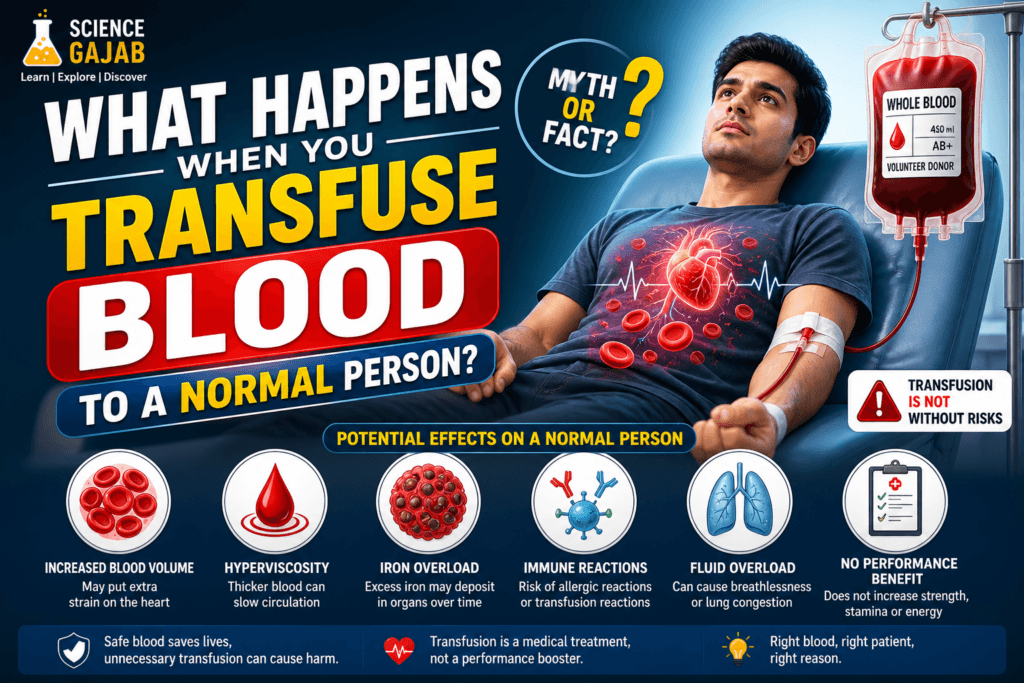

what happens if a normal person gets a blood transfusion
🧠 Introduction
Blood transfusion is a life-saving medical procedure used in conditions like severe anemia, trauma, surgery, or bleeding disorders. But a common question arises:
👉 What if we give blood to a completely healthy (normal) person?
At first glance, it might seem harmless—or even beneficial. More blood = more oxygen, right?
Wrong. The human body tightly regulates blood volume and composition. Unnecessary transfusion can disturb this balance and lead to serious complications without any benefit.
This article explains everything in simple, clinically accurate language—useful for students, healthcare learners, and general readers.
Why Does the Heart Beat Faster During Exercise? | Science Explained
🧬 Understanding Normal Physiology First
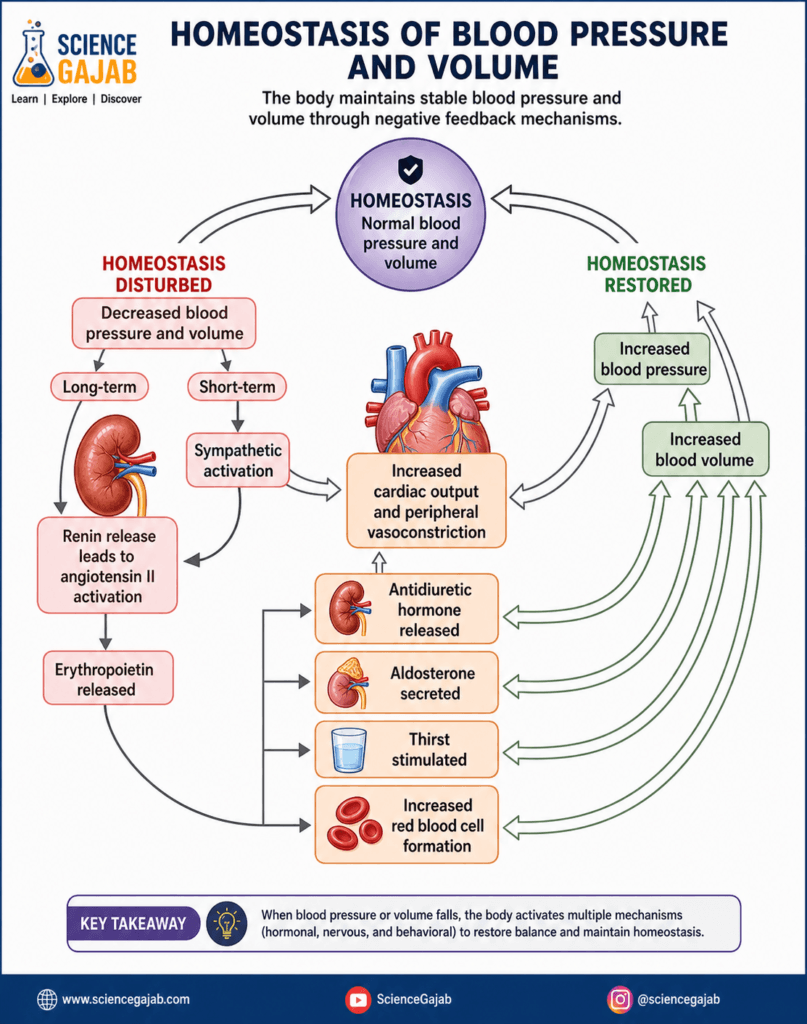
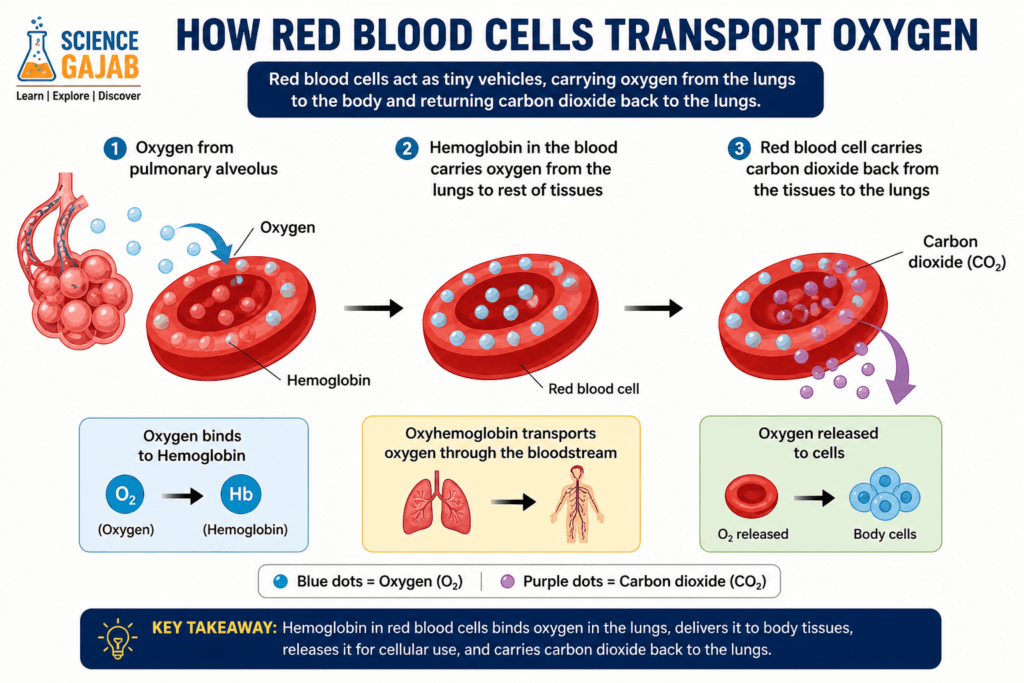
A healthy adult already has:
- Blood volume: ~70 ml/kg (≈ 5 liters in adults)
- Hemoglobin: ~12–16 g/dL
- Optimal oxygen delivery system
The body maintains:
- Fluid balance
- Red blood cell count
- Electrolytes
➡️ Adding extra blood disturbs this balance, not improves it.
⚠️ 1. Circulatory Overload (TACO – Transfusion Associated Circulatory Overload)
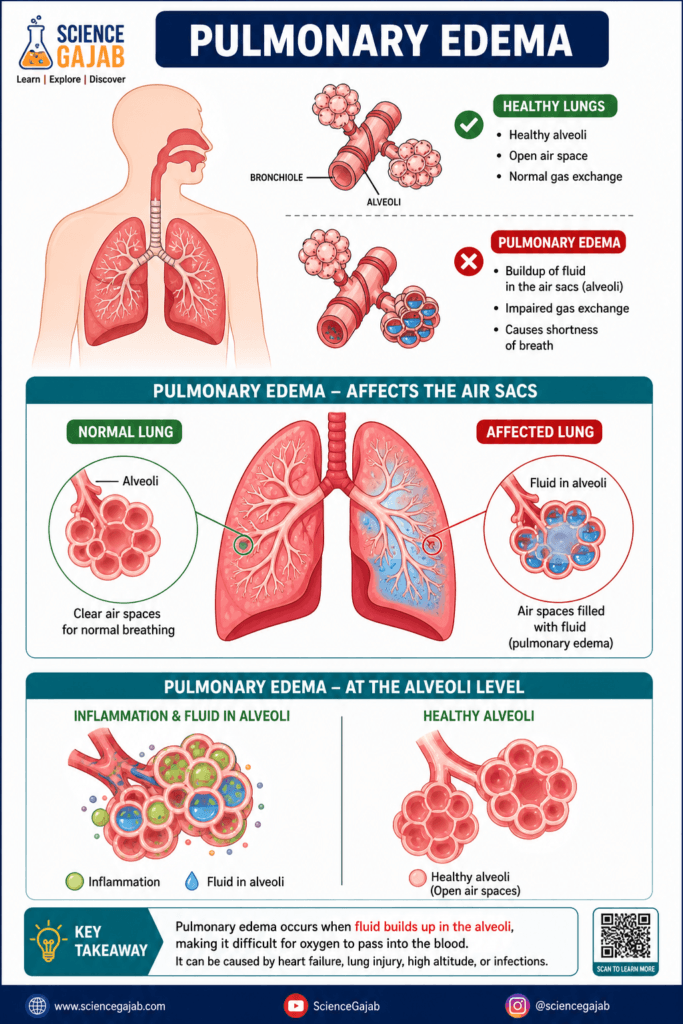
What happens?
When extra blood is transfused:
- Blood volume suddenly increases
- Heart struggles to pump excess fluid
Effects:
- Breathlessness
- Raised blood pressure
- Swelling (edema)
- Pulmonary edema (fluid in lungs)
Why dangerous?
- Can lead to acute respiratory distress
- Especially risky in elderly or cardiac patients
👉 This is one of the most common complications of unnecessary transfusion
❤️ What Happens During a Heart Attack? The Science Explained
🔥 2. Transfusion Reactions (Immune System Attack)
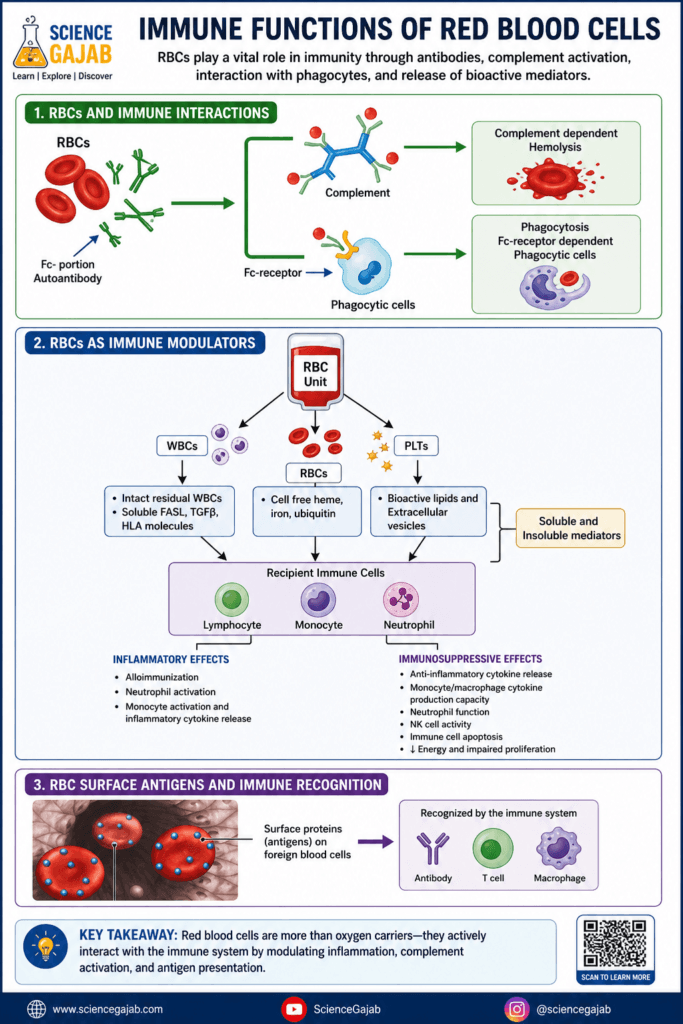
Even when blood group matches, reactions can still occur.
Types:
a) Febrile Reaction
- Fever, chills
- Due to donor leukocytes or cytokines
b) Allergic Reaction
- Itching, rash
- Sometimes severe (anaphylaxis)
c) Hemolytic Reaction (Rare but serious)
- Body destroys transfused RBCs
- Causes:
- Kidney failure
- Shock
- Death (in severe cases)
👉 A healthy person gains nothing—but still faces these risks.
🦠 3. Risk of Infections (Though Rare, Not Zero)
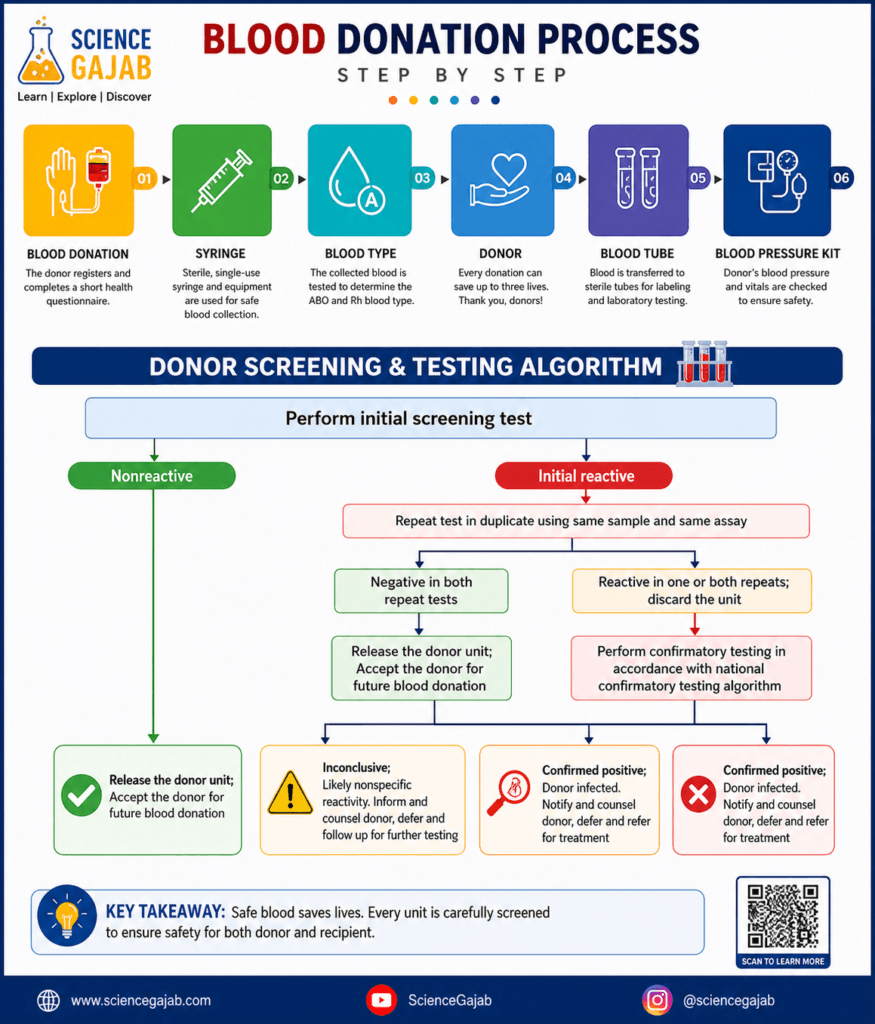
Modern screening has reduced risk significantly—but not completely.
Possible infections include:
- HIV
- Hepatitis B
- Hepatitis C
Important:
- Risk is very low but unjustified in a healthy person
- No benefit = unnecessary exposure
🧪 4. Iron Overload (Hemosiderosis)
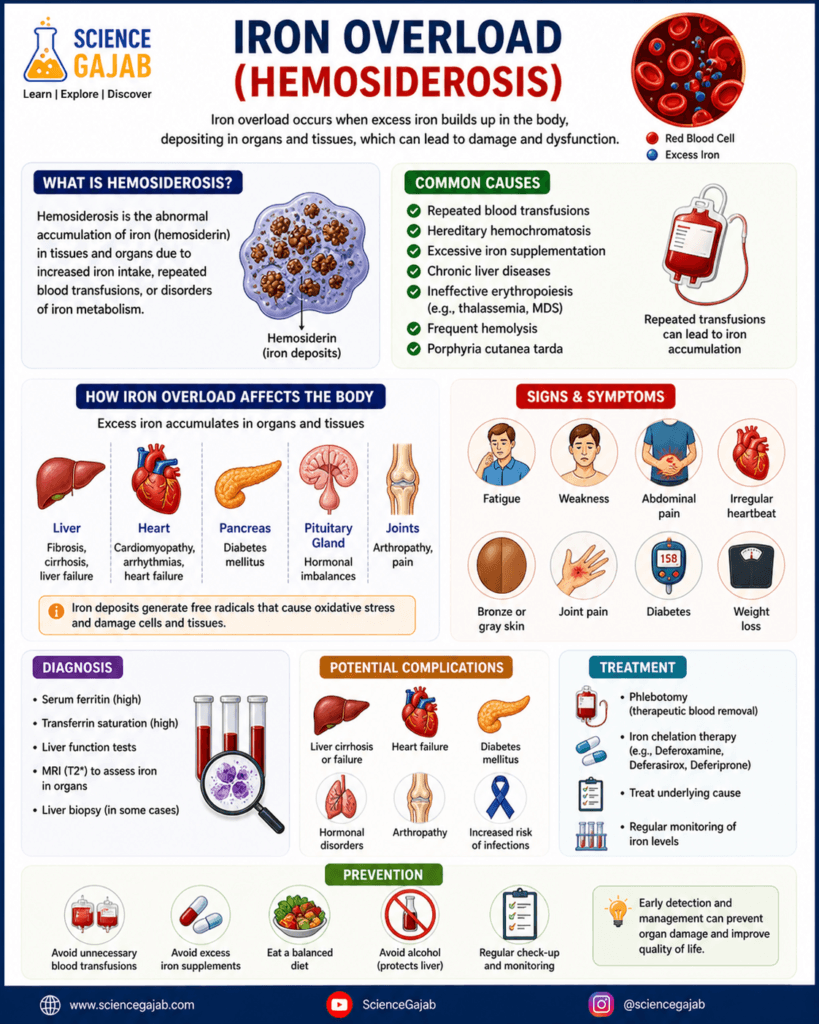
Each unit of blood contains ~250 mg iron.
In repeated transfusions:
- Iron accumulates in organs:
- Liver
- Heart
- Pancreas
Leads to:
- Liver damage
- Heart failure
- Diabetes
👉 Seen in chronic transfusion patients—but completely avoidable in healthy individuals
🧬 Why Do We Age? The Real Science Behind Growing Older
⚡ 5. Electrolyte & Metabolic Disturbances
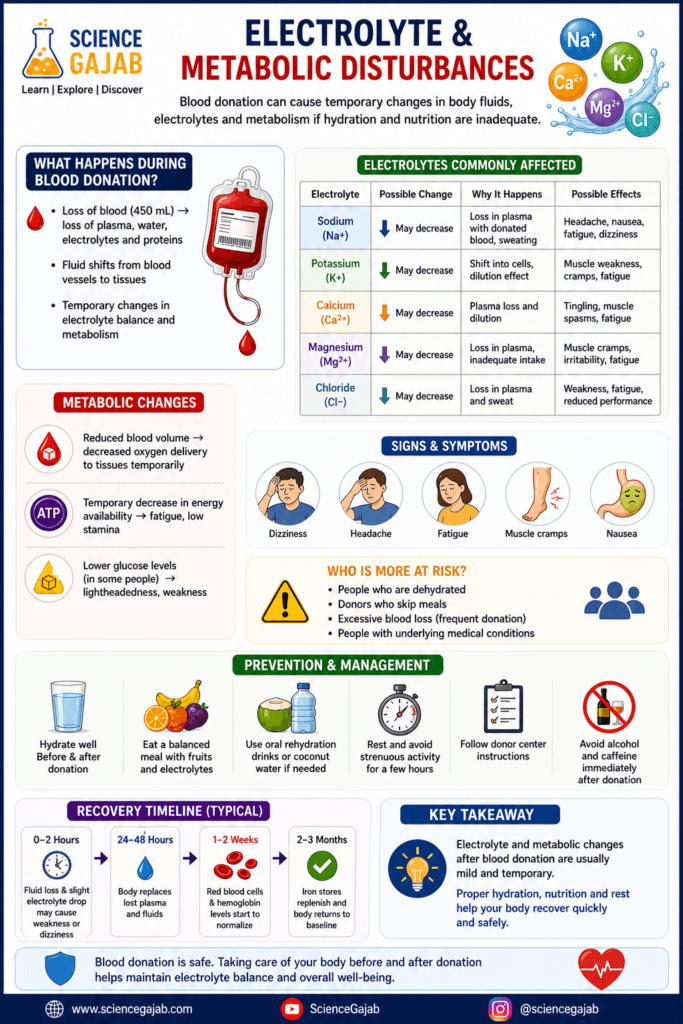
Stored blood undergoes changes over time.
Possible issues:
- Hyperkalemia (high potassium) → arrhythmias
- Citrate toxicity → low calcium → muscle cramps
- Acid-base imbalance
👉 These complications are subtle but clinically important
❗ 6. No Performance Benefit (Big Myth)
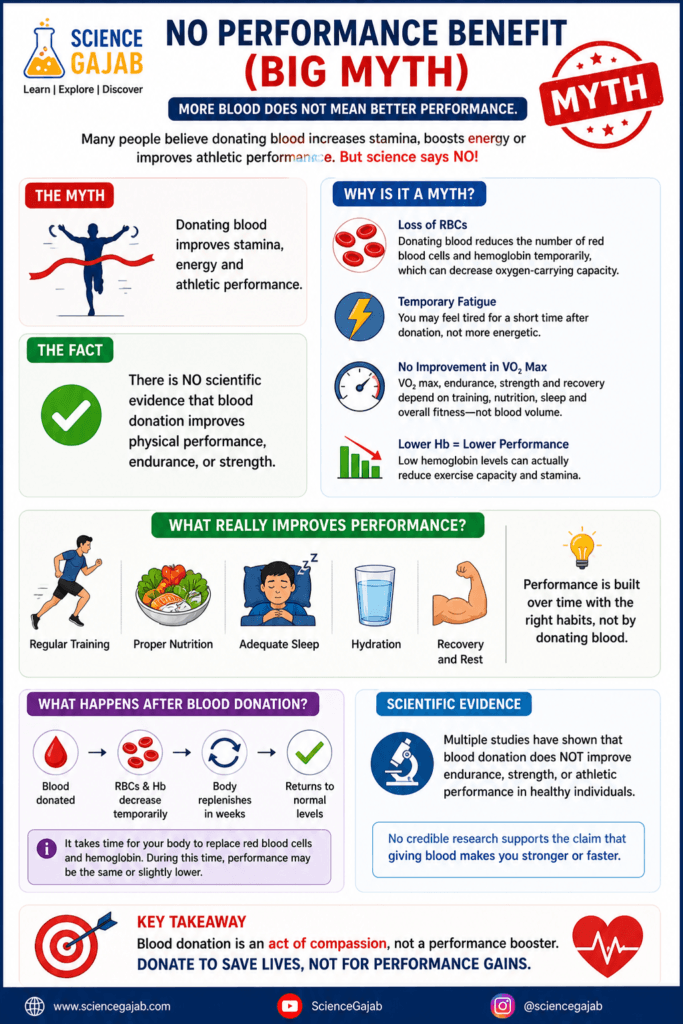
Some believe:
“Extra blood = more strength or stamina”
Reality:
- Healthy body already has optimal oxygen delivery
- Extra RBCs do not significantly improve performance
- Instead increase:
- Blood viscosity
- Risk of clotting
👉 This concept is similar to blood doping, which is unsafe and banned in sports
🧠 7. Risk of Blood Clots (Hyperviscosity)
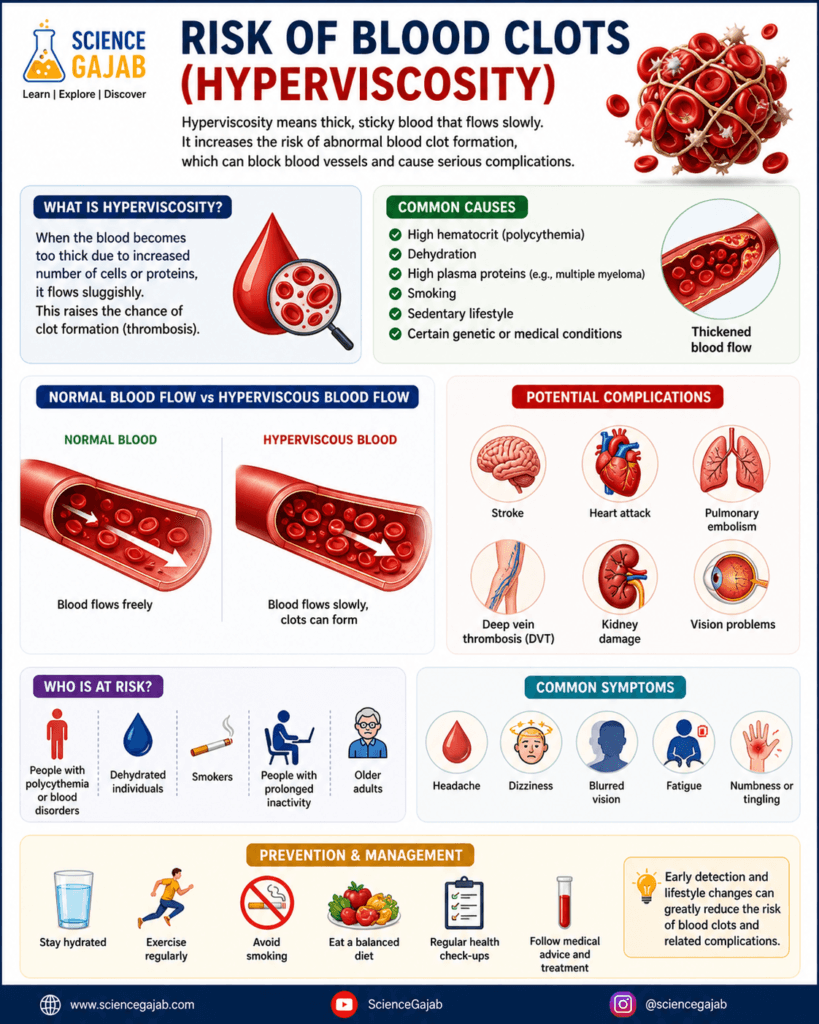
More red cells = thicker blood
Can cause:
- Sluggish circulation
- Clot formation
Leads to:
- Stroke
- Heart attack
- Deep vein thrombosis
📉 8. Cost, Resource & Ethical Concerns
Blood is a precious and limited resource.
Unnecessary transfusion:
- Wastes donated blood
- Reduces availability for:
- Trauma patients
- Surgical emergencies
- Severe anemia
👉 Ethical principle: Use only when medically needed
🩺 When Is Blood Transfusion Actually Needed?
Doctors follow strict guidelines.
Common indications:
- Hemoglobin < 7 g/dL (in many cases)
- Severe bleeding (trauma, surgery)
- Symptomatic anemia
- Certain medical conditions (like thalassemia)
👉 Not for healthy individuals with normal Hb
🧾 Real Clinical Principle
“Transfusion is a treatment—not a supplement.”
- It is given only when benefits outweigh risks
- In a normal person → risks outweigh benefits
📊 Quick Summary Table
| Aspect | In Healthy Person |
|---|---|
| Benefit | ❌ None |
| Circulatory overload | ⚠️ Possible |
| Immune reactions | ⚠️ Possible |
| Infection risk | ⚠️ Rare but present |
| Iron overload | ⚠️ With repeated transfusion |
| Performance boost | ❌ No |
| Clot risk | ⚠️ Increased |
🧠 Final Conclusion
Giving blood to a normal person is like:
👉 Pouring extra water into an already full tank
- It doesn’t improve function
- It creates pressure and overflow
- It can damage the system
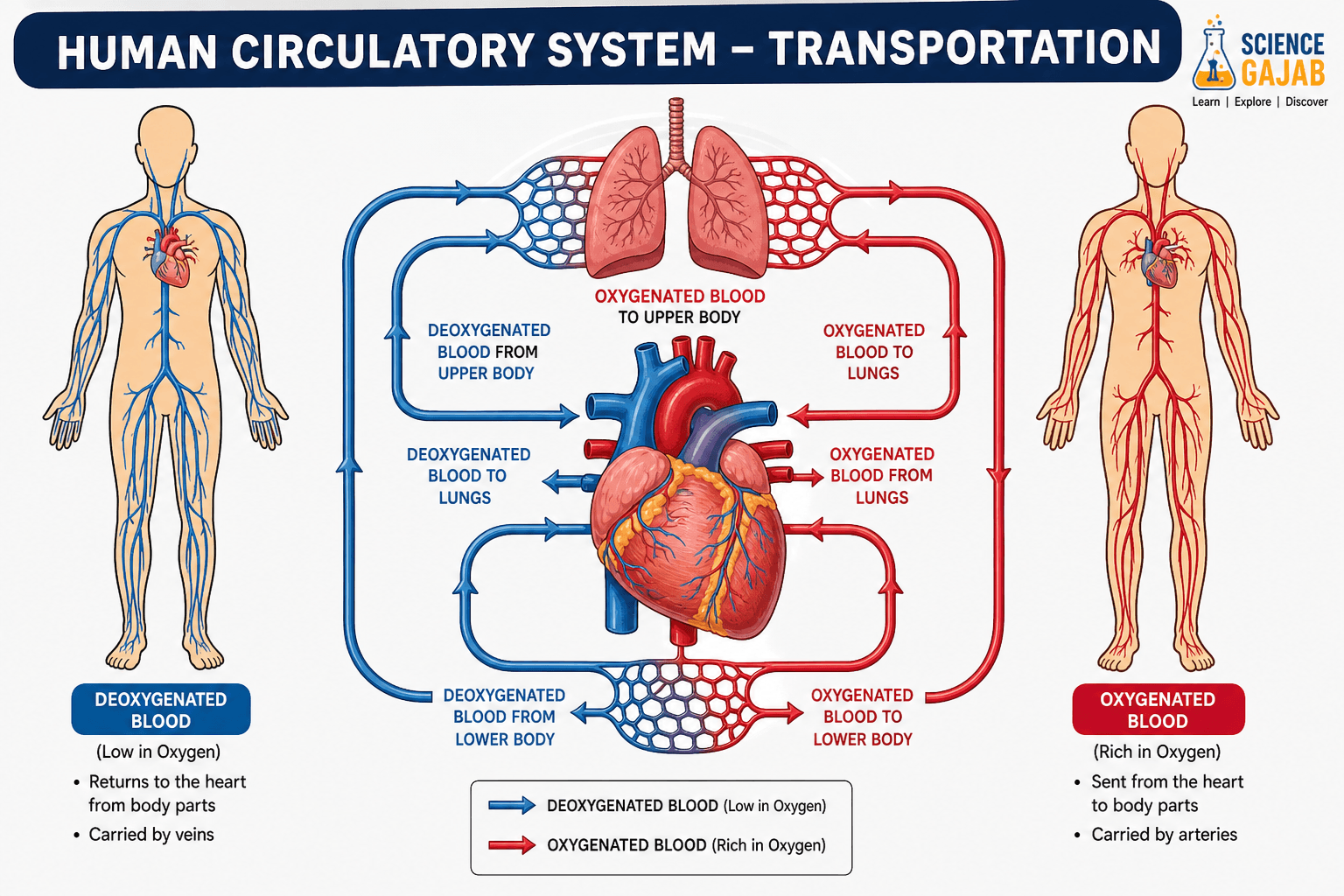
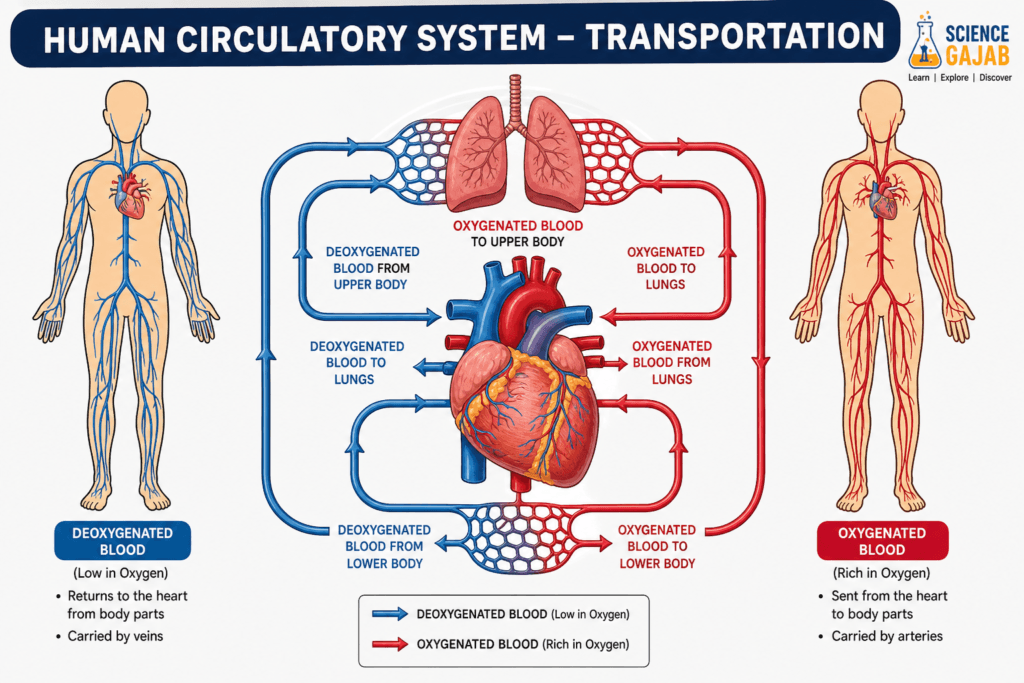
Human circulatory system infographic
🔍 Note: (Why You Can Trust This)
This content is based on:
- Standard medical physiology
- Clinical transfusion guidelines
- Established hospital practices
Designed for:
- Medical students (MBBS level basics)
- Healthcare learners
- General awareness
📢 Takeaway
🚨 Never assume “more blood = more health.”
In medicine, unnecessary intervention can be more dangerous than doing nothing.
References:
- Harrison’s Principles of Internal Medicine
- Guyton & Hall Textbook of Medical Physiology
- WHO Guidelines on Blood Transfusion
- AABB Clinical Practice Guidelines
- Carson JL et al., JAMA (Transfusion Guidelines)
http://facebook.com/sciencegajab/