
Modes of Virus Transmission with Examples (Complete Guide for Students)
modes of virus transmission examples
⭐ What Are Modes of Virus Transmission? (Quick Definition)
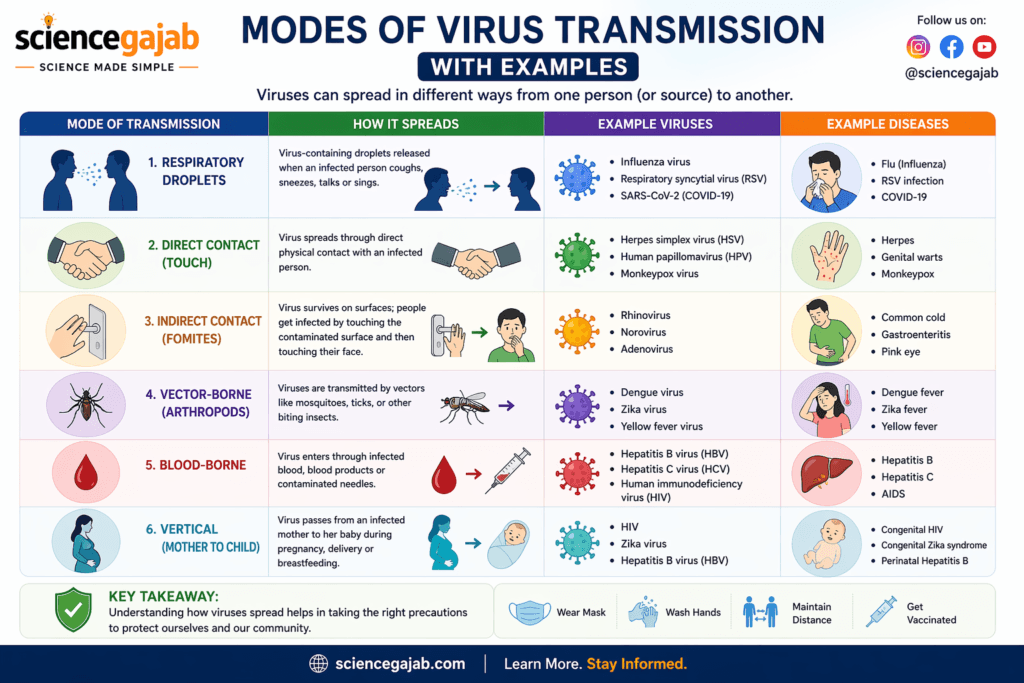
Modes of virus transmission refer to the different ways in which viruses spread from one host to another, either directly or indirectly through various environmental or biological pathways.
🧠 Introduction
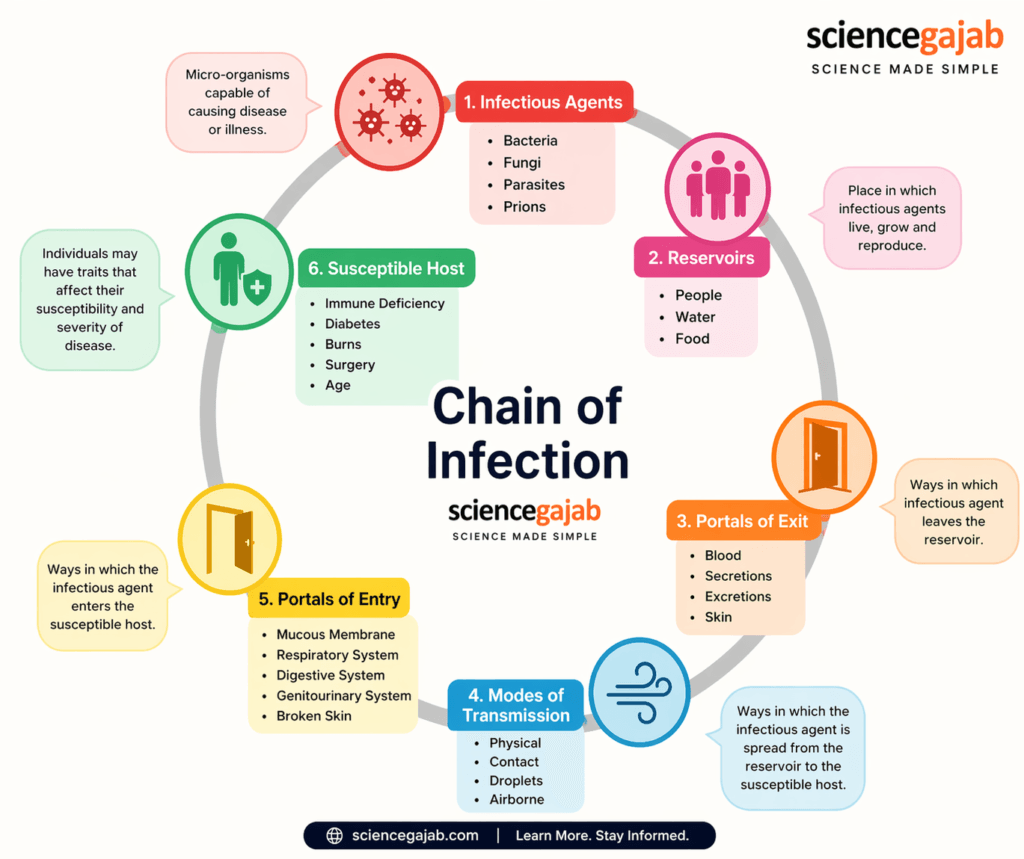
Viruses are microscopic infectious agents that require a host to survive and multiply. Understanding how viruses spread is essential for preventing infections and controlling outbreaks.
Transmission can occur through air, contact, food, water, insects, and bodily fluids, depending on the type of virus. Some viruses spread easily, while others require specific conditions.
🦠 Difference Between Virus and Bacteria Explained
💉 How Vaccines Work (The Science Explained)
🔬 Classification of Virus Transmission
Virus transmission can be broadly classified into two main types:
- Direct Transmission
- Indirect Transmission
🧍♂️ 1. Direct Transmission of Viruses
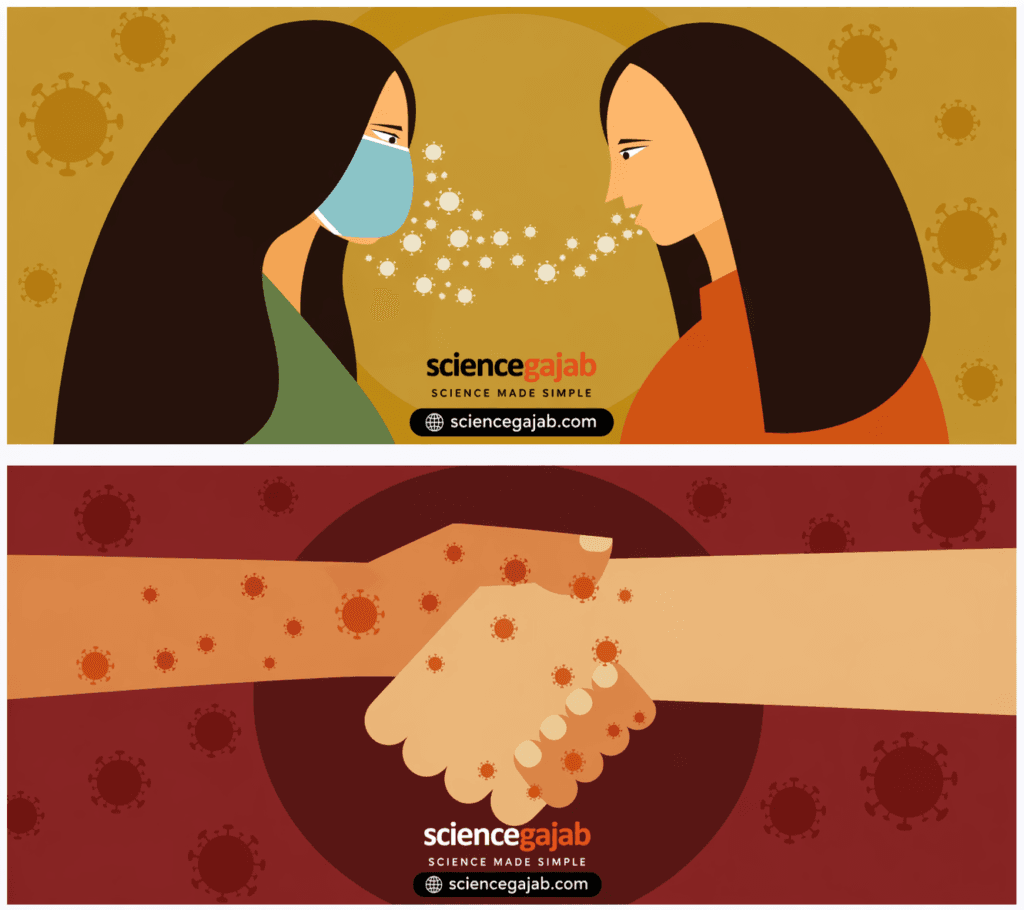
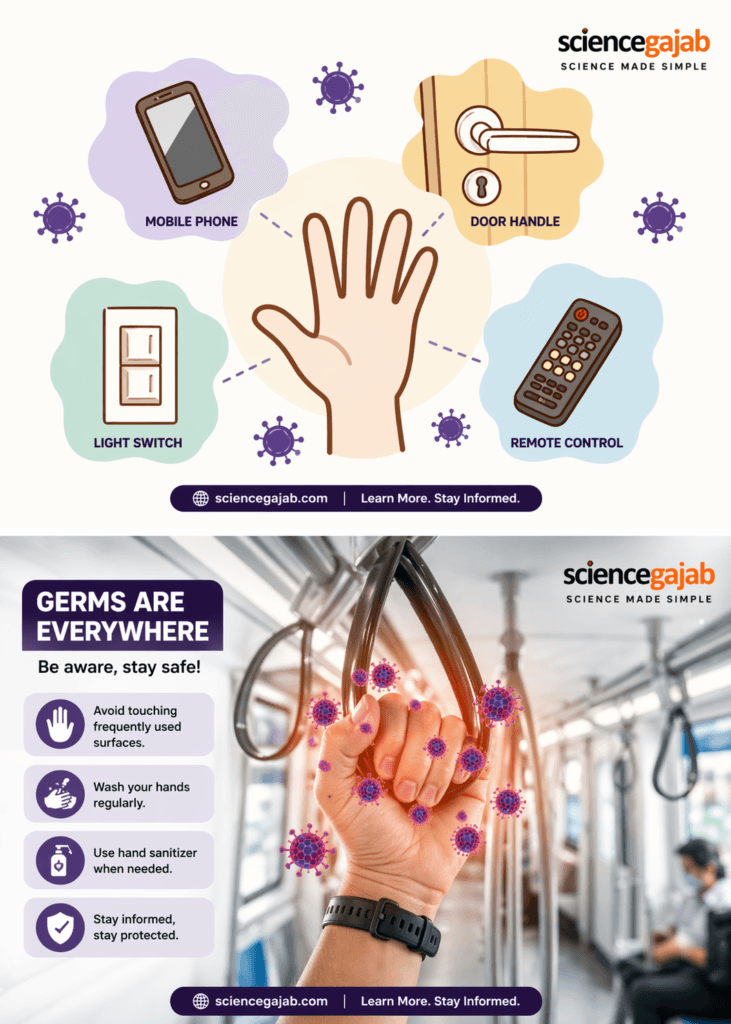
Direct transmission occurs when the virus is transferred from an infected person to a healthy person without any intermediate object.
🤝 A. Direct Contact Transmission
Explanation
This occurs through physical contact such as touching, kissing, or sexual contact.
Examples
- Herpes simplex
- Human papillomavirus
Sexually-transmitted-diseases-stds
💧 B. Droplet Transmission
Explanation
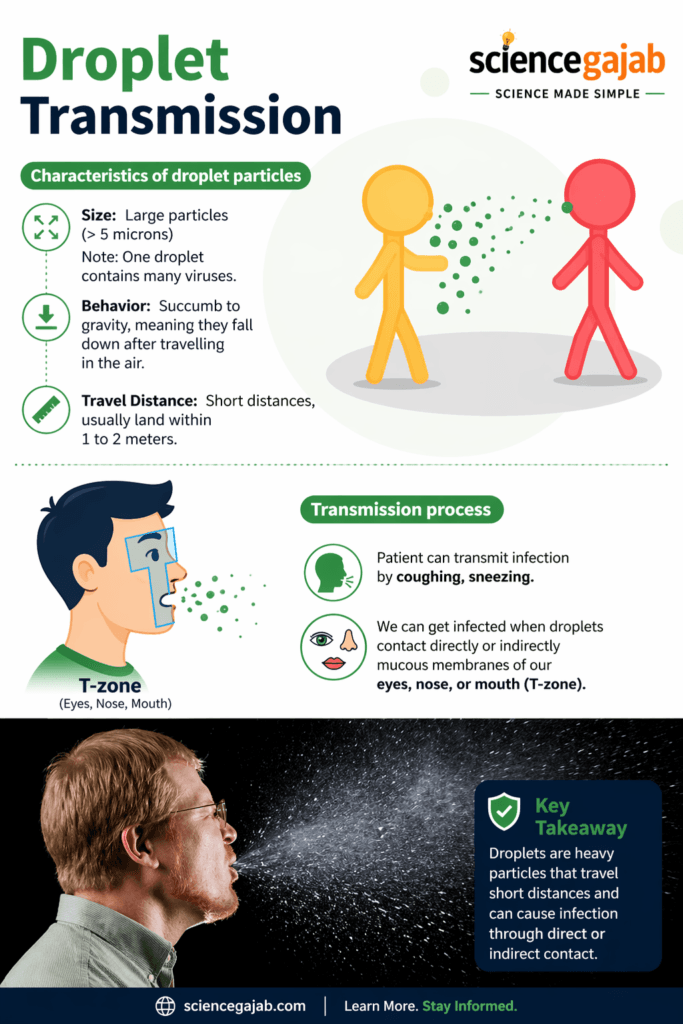
Large respiratory droplets are released when an infected person coughs, sneezes, or talks. These droplets travel short distances (usually less than 1 meter).
Examples
- Influenza
- COVID-19
discover 🫁 Your Lungs Are Cleaning Themselves Right Now 😳 Here’s How
🤰 C. Vertical Transmission (Mother to Child)
Explanation
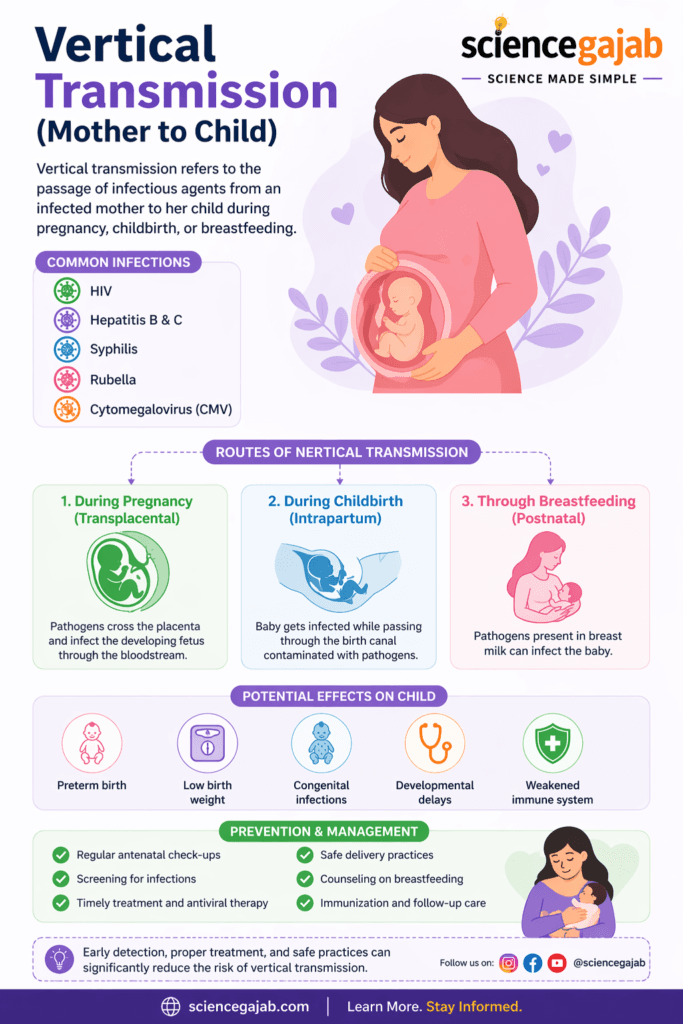
Viruses are transmitted from mother to child during pregnancy, childbirth, or breastfeeding.
Examples
- HIV/AIDS
- Hepatitis B
🌍 2. Indirect Transmission of Viruses
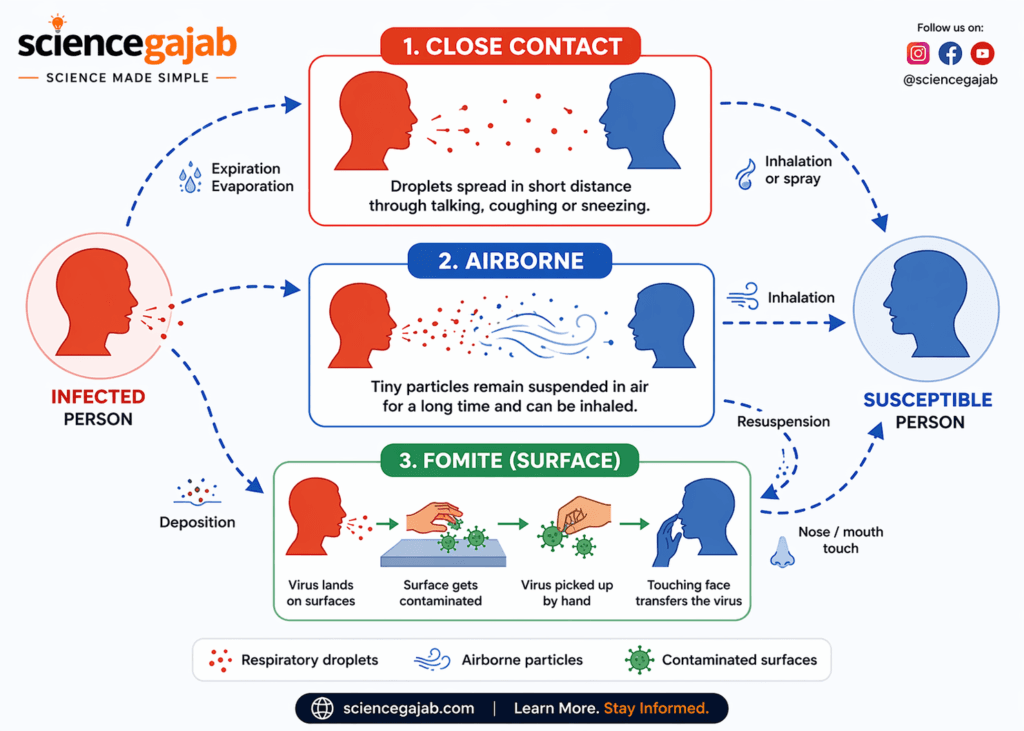
Indirect transmission involves an intermediate agent such as air, objects, food, or vectors.
🌫️ A. Airborne Transmission
Explanation
Tiny droplets or aerosols remain suspended in the air for long periods and can travel longer distances.
Examples
- Measles
- Chickenpox
🧴 B. Fomite Transmission (Through Objects)
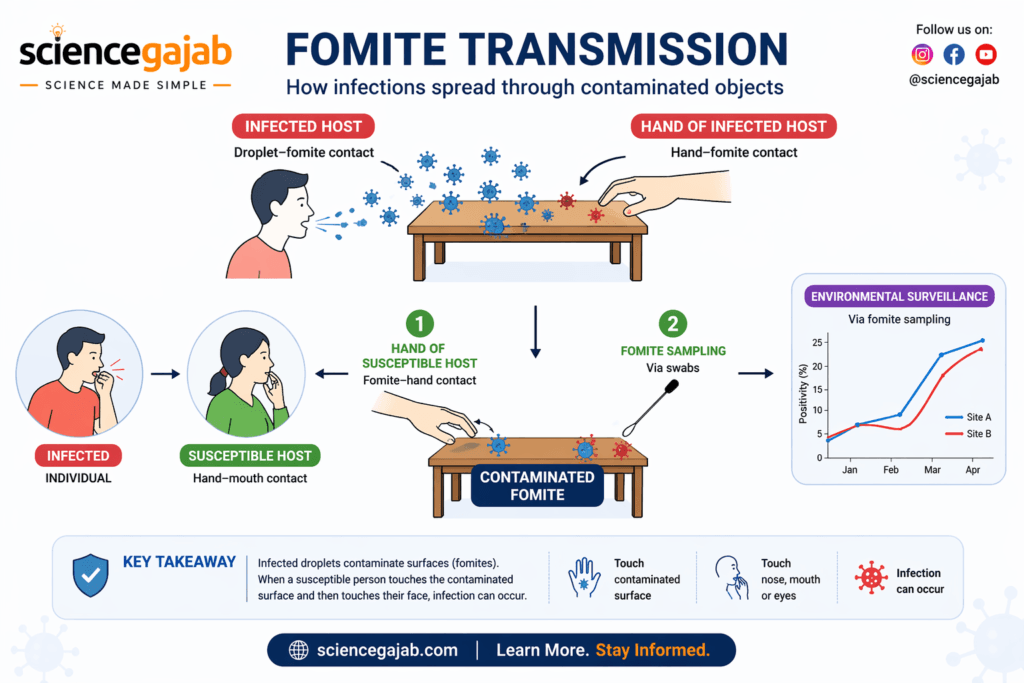
Explanation
Viruses spread through contaminated objects such as door handles, utensils, or mobile phones.
Examples
- Norovirus infection
- Common cold
💉 C. Blood-borne Transmission
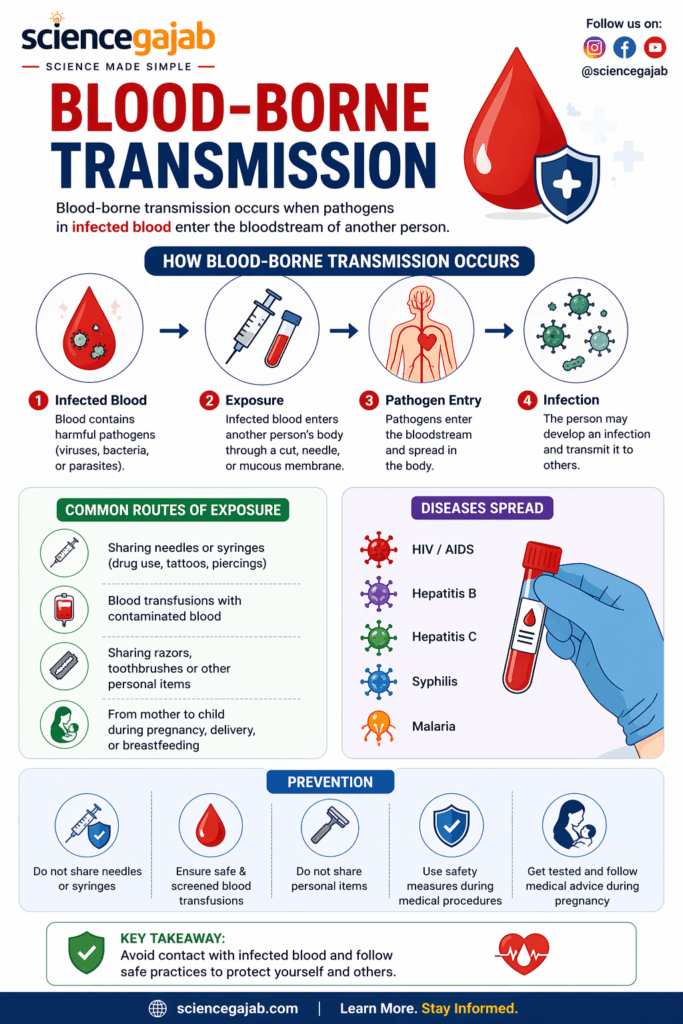
Explanation
Viruses are transmitted through infected blood via transfusions, needle sharing, or injuries.
Examples
- HIV/AIDS
- Hepatitis C
🦟 D. Vector-borne Transmission
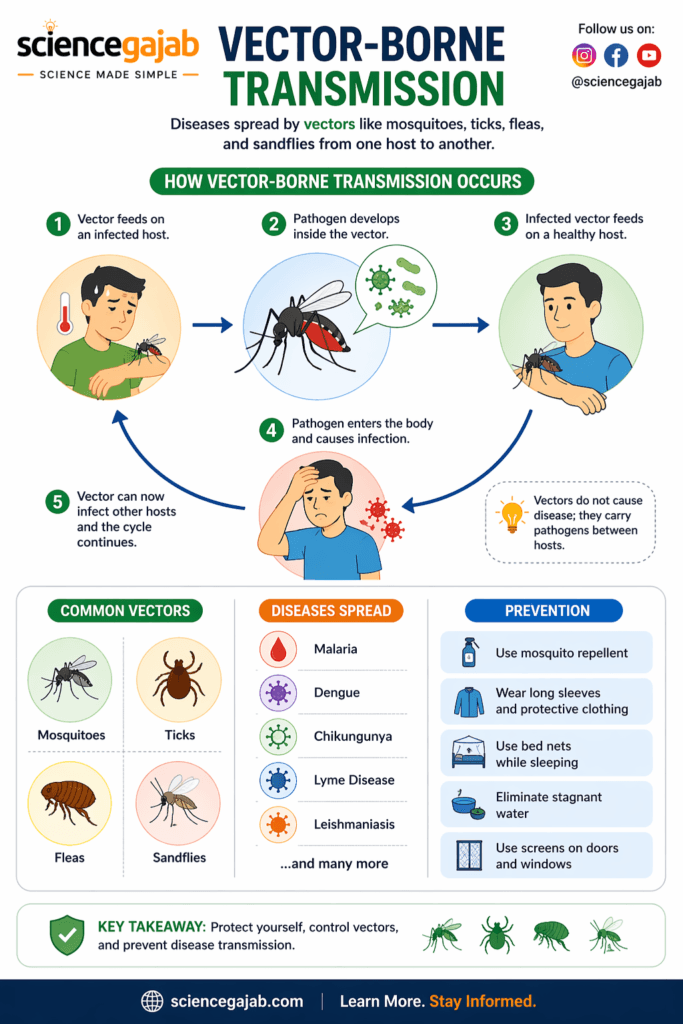
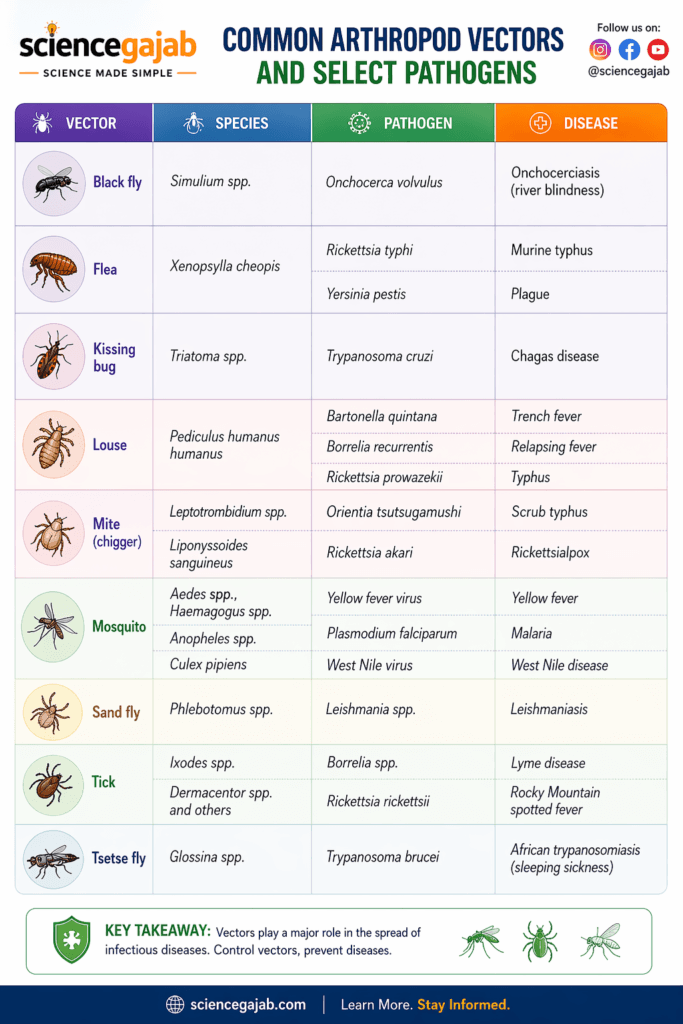
Explanation
Viruses are transmitted through insects such as mosquitoes.
Examples
- Dengue fever
- Zika virus infection
🦟 Malaria: The Most Lethal Parasitic Disease Affecting Humans Worldwide
🍽️ E. Food and Water Transmission
Explanation
Viruses enter the body through contaminated food or water.
Examples
- Hepatitis A
- Rotavirus infection
Learn how viruses affect the body in
📊 Summary Table
| Mode | Description | Examples |
|---|---|---|
| Direct Contact | Physical touch | Herpes, HPV |
| Droplet | Cough/sneeze | Influenza, COVID-19 |
| Airborne | Aerosols in air | Measles, Chickenpox |
| Fomite | Contaminated objects | Norovirus |
| Blood | Infected blood | HIV, Hepatitis |
| Vector | Insect bites | Dengue, Zika |
| Food/Water | Contaminated intake | Hepatitis A |
Why Antibiotics Don’t Work on Viruses (Most People Don’t Know This)
🛡️ Prevention of Virus Transmission
- Wash hands regularly
- Use masks during outbreaks
- Avoid close contact with infected individuals
- Maintain hygiene and sanitation
- Use clean water and properly cooked food
- Get vaccinated where available
What are the 7 steps of hand hygiene?
🧠 Key Points for Exams
- Transmission can be direct or indirect
- Droplet vs airborne is a common exam question
- Vector transmission involves insects
- Fomites = objects carrying infection
🦠 Difference Between Virus and Bacteria Explained
📝 Practice Questions
Q1. What are the main modes of virus transmission?
Direct and indirect transmission.
Q2. Give two examples of vector-borne viral diseases.
Dengue and Zika virus infection.
Q3. What is fomite transmission?
Transmission through contaminated objects.
move to Why Does Skin Become White After Fungal Infection? (Real Reason Doctors Explain)
📢 Conclusion
Understanding the modes of virus transmission helps in preventing diseases and controlling outbreaks. By following proper hygiene and preventive measures, the spread of viral infections can be significantly reduced.
📌 Disclaimer
This content is for educational purposes only and should not replace professional medical advice.
http://facebook.com/sciencegajab/
📚 References
- World Health Organization (WHO): https://www.who.int
- Centers for Disease Control and Prevention (CDC): https://www.cdc.gov
- National Institutes of Health (NIH): https://www.nih.gov
- NCERT Biology Textbook (Class 11 & 12)
- MedlinePlus: https://medlineplus.gov