
Quick Answer (Featured Snippet)
Organisms reproduce in two main ways: asexual reproduction, where a single parent produces identical offspring, and sexual reproduction, where two parents combine genetic material to produce variation in offspring.
🔄 Types of Reproduction (Simple Explanation)
🔹 Asexual Reproduction
- Involves only one parent
- Offspring are genetically identical (clones)
- Fast and simple process
🔹 Sexual Reproduction
- Involves two parents (male and female)
- Offspring show genetic variation
- Slower but increases survival chances
📊 Table: Asexual vs Sexual Reproduction
| Feature | Asexual Reproduction | Sexual Reproduction |
|---|---|---|
| Number of Parents | One | Two |
| Genetic Variation | No (identical offspring) | Yes (variation present) |
| Speed | Fast | Slower |
| Complexity | Simple process | Complex process |
| Examples | Bacteria, Amoeba, Hydra | Humans, Animals, Flowering plants |
🧪 Examples of Reproduction
✅ Asexual Examples:
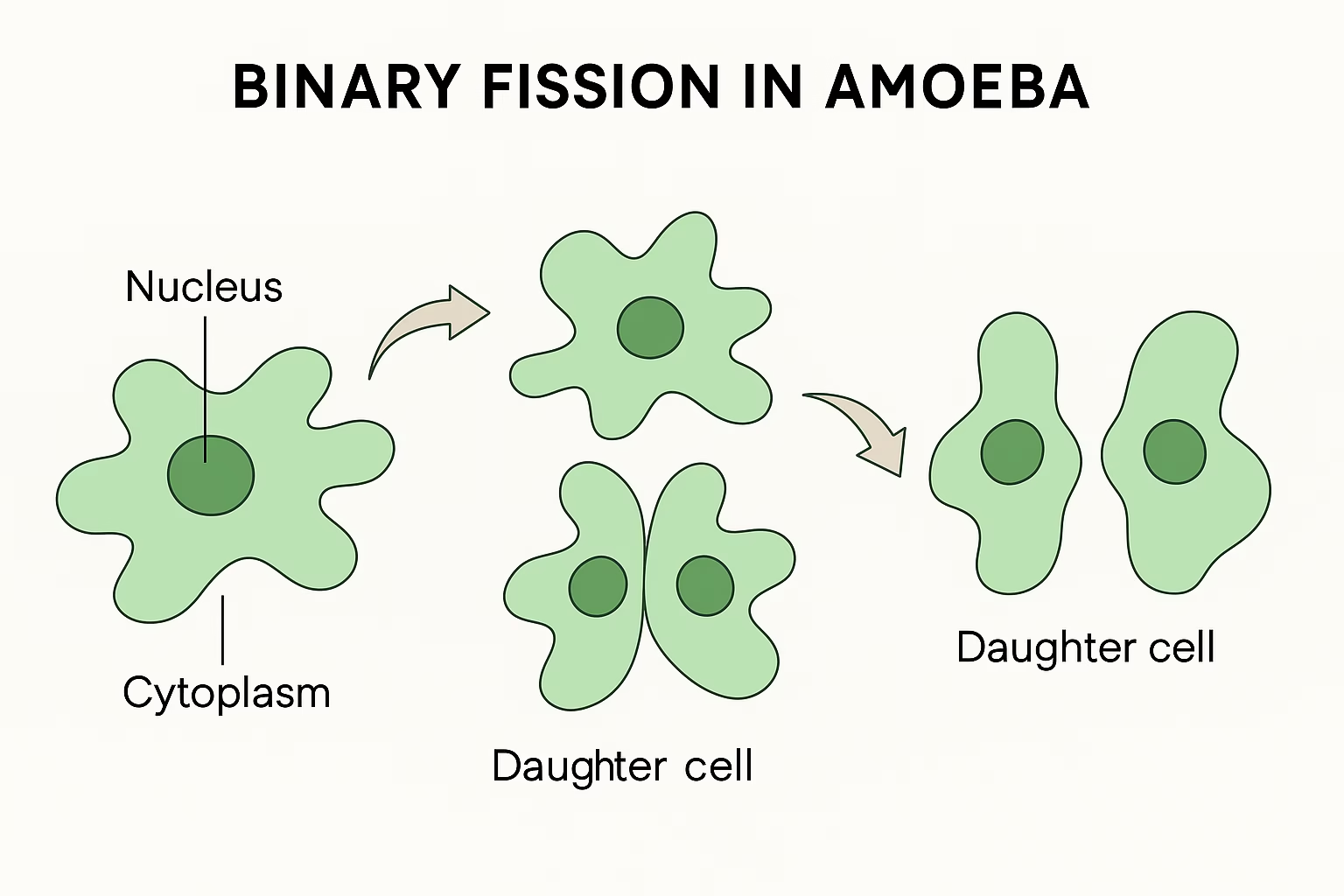
- Binary fission → Amoeba
- Budding → Hydra
- Vegetative propagation → Plants (potato, onion)
✅ Sexual Examples:
- Humans
- Mammals
- Flowering plants (pollination & fertilization)
🌱 Reproduction in Organisms – Simple Guide for Curious Minds
Reproduction is how life continues generation after generation. It’s the magical process that ensures the survival of species—from the tiniest microbes to giant elephants. Let’s break this topic down into simple bits and explore how organisms create new life.
🌼 What is Reproduction?
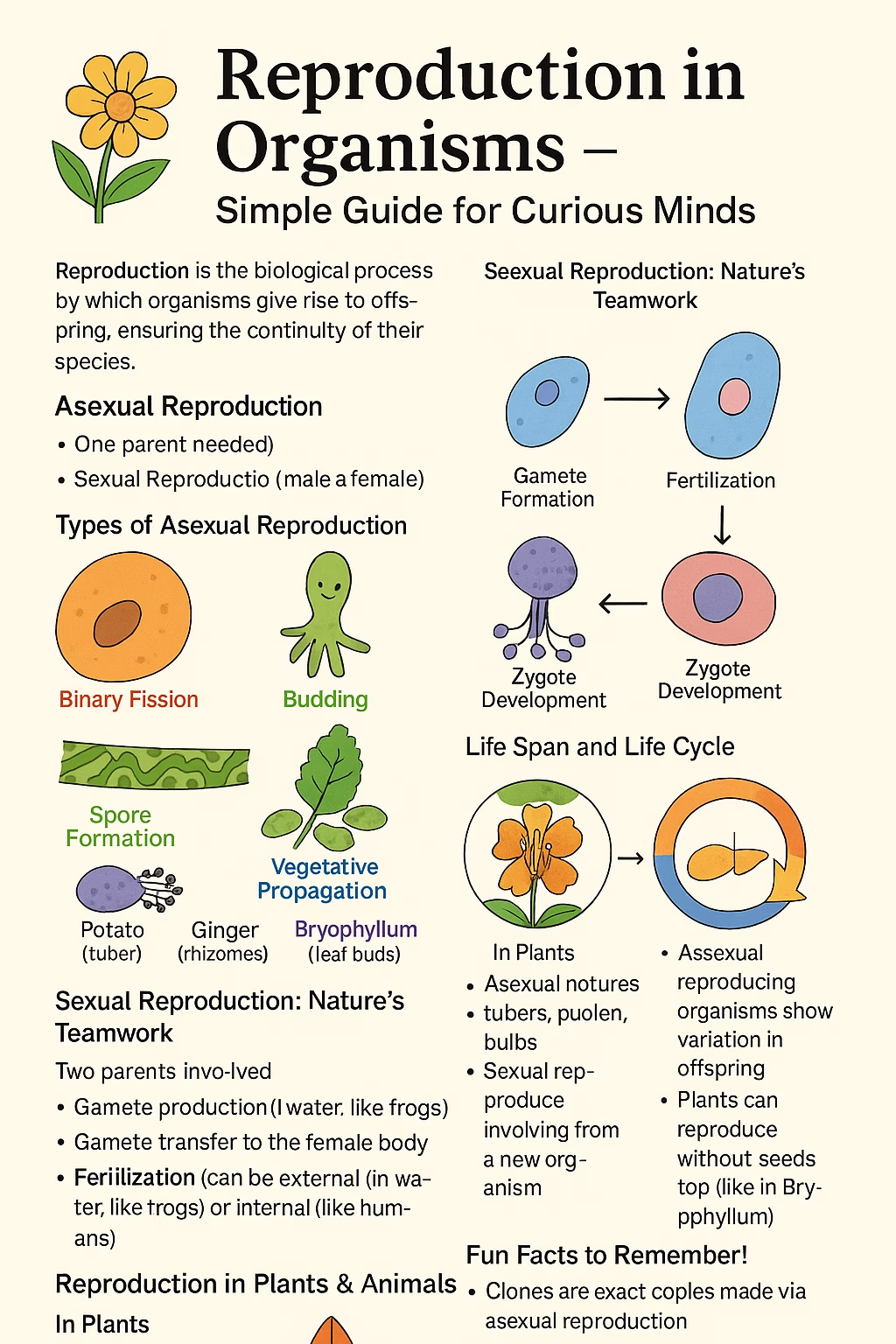
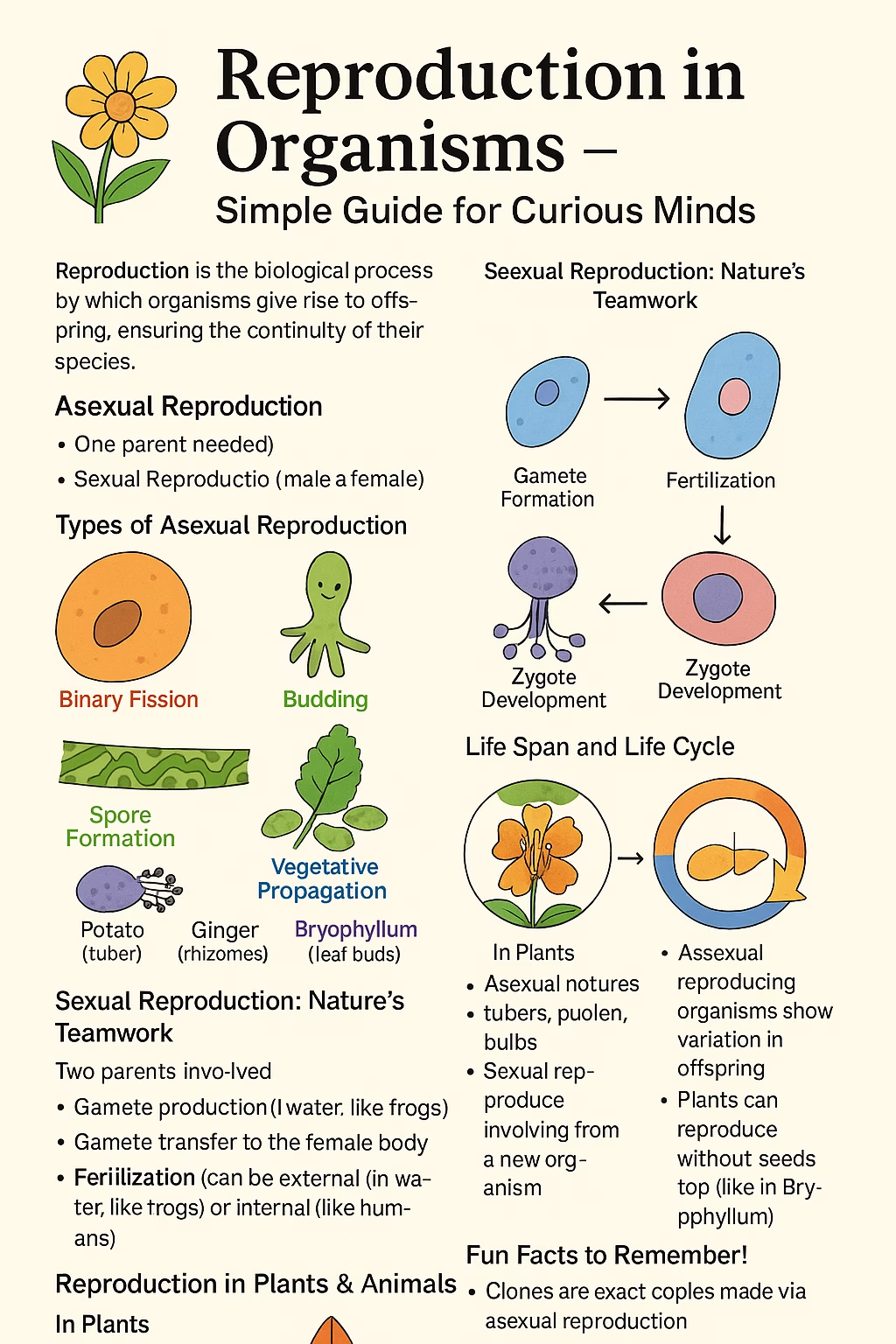
Reproduction is the biological process by which organisms give rise to offspring, ensuring the continuity of their species.
🖼️ Illustration ; A life cycle diagram showing parent → offspring → next generation.
There are two main types:
- Asexual Reproduction – Only one parent is needed.
- Sexual Reproduction – Two parents (male and female) are involved.
🔁 Asexual Reproduction: Simple & Quick
In asexual reproduction, organisms reproduce without forming gametes (sperm/egg). The offspring are genetically identical to the parent (called clones).
🌿 Common in:
- Unicellular organisms (like bacteria)
- Some plants
- Simple animals like Hydra
🧪 Types of Asexual Reproduction:
- Binary Fission – Cell splits into two.
📌 Seen in bacteria and Amoeba. - Budding – A small part of the body grows into a new organism.
📌 Seen in Hydra and yeast. - Fragmentation – Body breaks into parts, each grows into a new organism.
📌 Seen in algae like Spirogyra. - Spore Formation – Spores spread and grow into new organisms.
📌 Seen in fungi like Rhizopus. - Vegetative Propagation – New plants grow from roots, stems, or leaves.
📌 Seen in potato (tubers), ginger (rhizomes), and Bryophyllum (leaf buds).
🖼️ Illustration : Diagrams of binary fission, budding, and vegetative propagation.
💞 Sexual Reproduction: Nature’s Teamwork
Sexual reproduction involves two parents, and offspring show genetic variation—a mix of both parents.
💡 Steps Involved:
- Gamete Formation – Male and female sex cells are produced.
- Fertilization – Fusion of gametes forms a zygote.
- Zygote Development – Zygote grows into a new organism.
✨ Benefits:
- Genetic diversity
- Better adaptation and evolution
📅 Reproductive Events in Sexual Reproduction
The process of reproduction happens in three main phases:
1. Pre-fertilization Events
- Gamete production (sperms and eggs)
- Gamete transfer to the female body
2. Fertilization
- Can be external (in water, like frogs) or internal (like humans).
3. Post-fertilization Events
- Zygote formation
- Embryo development
- Growth of new organism
📈 Life Span and Life Cycle
Every living being has a life span—from birth to natural death. Different organisms live for different lengths of time.
| Organism | Life Span |
|---|---|
| Mayfly | 1 day |
| Crow | 15 years |
| Elephant | 60-70 years |
| Banyan Tree | 200+ years |
Also, the life cycle (birth → growth → reproduction → death) may be annual, biennial, or perennial, especially in plants.
🌻 Reproduction in Plants & Animals
In Plants:
- Asexual: Through tubers, runners, bulbs
- Sexual: Involves flowers, pollen, ovary, seeds
In Animals:
- Mostly sexual reproduction
- Male produces sperm; female produces egg
- Fertilization may be external (fish) or internal (mammals)
🧠 Fun Facts to Remember!
- Clones are exact copies made via asexual reproduction.
- Only sexually reproducing organisms show variation in offspring.
- Plants can reproduce without seeds too (like in Bryophyllum).
- Animals like sea stars and planaria can regenerate into new individuals.
✨ Summary Table
| Feature | Asexual Reproduction | Sexual Reproduction |
|---|---|---|
| Parents involved | One | Two |
| Gametes involved? | No | Yes |
| Offspring | Clones | Genetically varied |
| Speed | Fast | Slower |
| Examples | Hydra, yeast, spirogyra | Humans, frogs, flowering plants |
❓ FAQ Section
❓ FAQ Section
Sexual reproduction creates genetic variation, which helps species survive changes in the environment.
Asexual reproduction is faster because it does not require a partner.
No, many organisms like bacteria reproduce asexually.