Numb Feet Causes
Numb Feet: Common Causes Explained
Have you ever experienced a “pins and needles” sensation in your feet after sitting in one position for too long? Occasional numbness is common and usually harmless. However, persistent or recurring numb feet can sometimes indicate an underlying health condition that requires medical attention.
Numbness occurs when the nerves responsible for carrying sensations to the brain are affected. Problems with blood flow, nerve function, injuries, or certain medical conditions may all contribute to numb feet.
Because your feet contain thousands of nerve endings and are located far from the brain and heart, they are often among the first areas where circulation and nerve-related problems become noticeable.
In this article, we’ll explore the most common causes of numb feet, warning signs you should never ignore, treatment options, and ways to protect your foot health.
What Does Foot Numbness Feel Like?
People experience numbness differently.
Common symptoms include:
- Loss of sensation
- Tingling or pins and needles
- Burning sensation
- Reduced ability to feel temperature
- Feeling like you’re wearing a sock when barefoot
- Weakness in the feet
- Difficulty balancing
Some people experience temporary numbness, while others may have symptoms that persist for weeks or months.
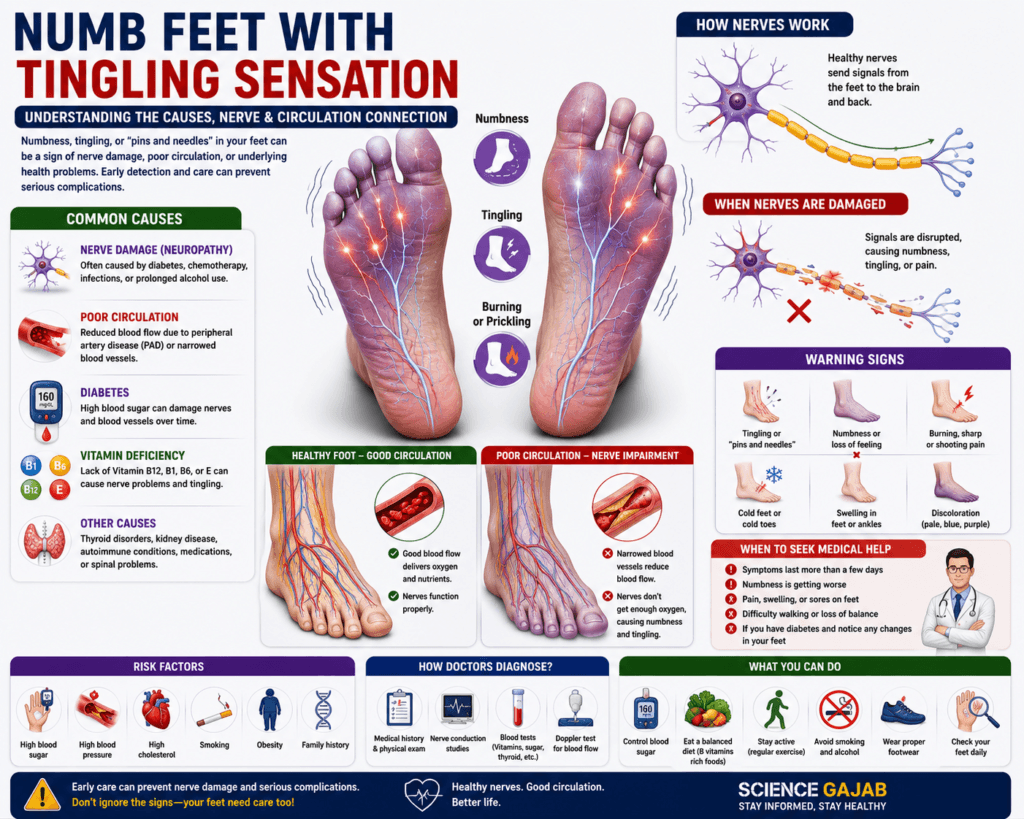
How Do Nerves Affect Sensation in the Feet?
Nerves carry signals between the brain and various parts of the body.
When nerves become compressed, damaged, or deprived of oxygen-rich blood, they may stop functioning properly.
This can lead to:
- Numbness
- Tingling
- Burning
- Pain
- Weakness
Understanding the underlying cause is essential for effective treatment.
Signs of Diabetes Visible on Feet: 10 Warning Signs You Should Never Ignore
1. Temporary Nerve Compression
One of the most common causes of numb feet is temporary pressure on a nerve.
Common Situations
- Sitting cross-legged
- Kneeling for long periods
- Sleeping in awkward positions
- Wearing tight footwear
Symptoms
- Temporary tingling
- Mild numbness
- Symptoms improve after movement
This type of numbness is usually harmless and resolves quickly.
Why Do Feet Burn at Night? Causes, Warning Signs, and When to Worry
2. Diabetes and Diabetic Neuropathy
Diabetes is one of the leading causes of persistent numbness in the feet.
Over time, high blood sugar levels can damage nerves throughout the body.
Symptoms
- Gradual numbness
- Burning sensations
- Sharp pains
- Reduced sensation
- Balance problems
Diabetic neuropathy often begins in the feet before affecting other areas.
Why It’s Important
Loss of sensation may prevent people from noticing injuries, increasing the risk of ulcers and infections.
Cracked Heels and Health Conditions: What Your Feet May Be Telling You
3. Poor Blood Circulation
Healthy circulation delivers oxygen and nutrients to nerves.
Reduced blood flow can impair nerve function and contribute to numbness.
Causes of Poor Circulation
- Peripheral artery disease
- Smoking
- High cholesterol
- Heart disease
Additional Symptoms
- Cold feet
- Leg pain while walking
- Pale skin
- Slow wound healing
Poor circulation should be evaluated promptly.
Signs of Poor Blood Circulation
4. Vitamin B12 Deficiency
Vitamin B12 plays a critical role in maintaining healthy nerves.
Deficiency may lead to neurological symptoms, including numbness.
Symptoms
- Tingling feet
- Weakness
- Fatigue
- Memory problems
- Difficulty walking
Early treatment often prevents permanent nerve damage.
🚨 Early Signs of Vitamin B12 Deficiency — Don’t Ignore These Warning Signals!
5. Peripheral Neuropathy
Peripheral neuropathy refers to damage affecting nerves outside the brain and spinal cord.
Possible Causes
- Diabetes
- Alcohol misuse
- Autoimmune diseases
- Certain medications
- Infections
Symptoms
- Numbness
- Burning
- Tingling
- Muscle weakness
Symptoms often begin in the feet and gradually progress upward.
Can Low Vitamins Damage Nerves? (Simple Explanation You Can Trust)

6. Herniated Disc and Sciatica
Problems affecting the spine can compress nerves that travel into the legs and feet.
Symptoms
- Numb feet
- Leg pain
- Lower back pain
- Tingling
- Muscle weakness
Sciatica commonly causes symptoms on one side of the body.

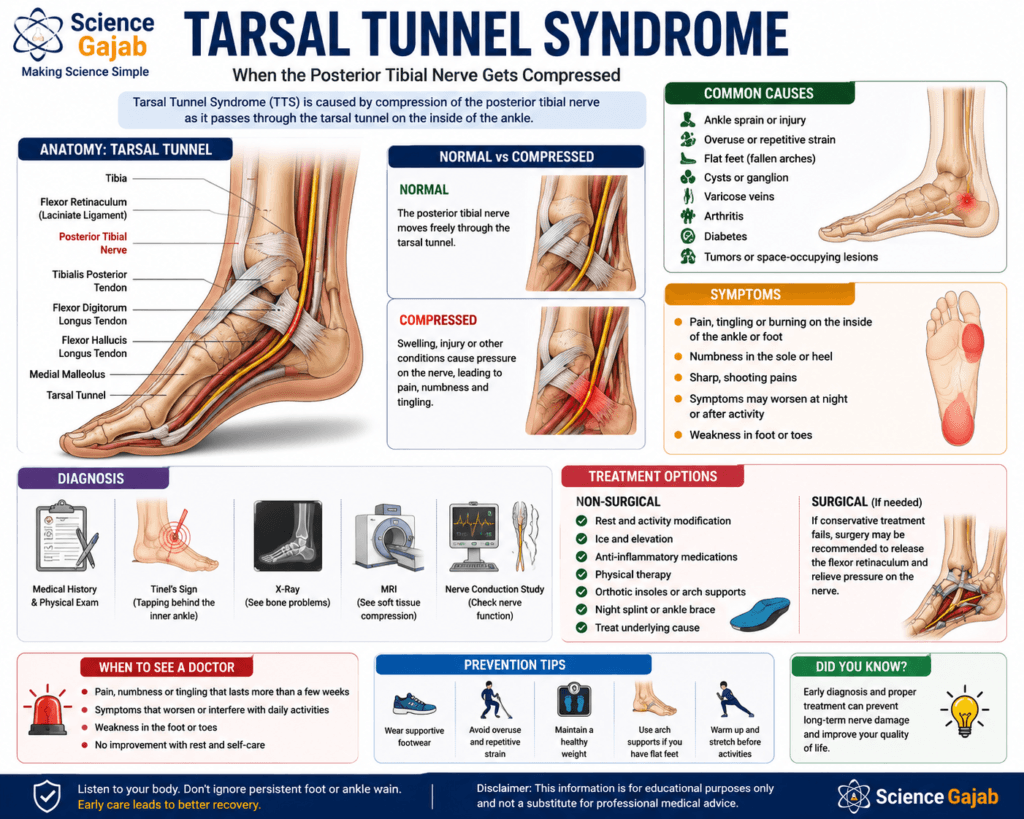
7. Tarsal Tunnel Syndrome
Tarsal tunnel syndrome occurs when a nerve inside the ankle becomes compressed.
Symptoms
- Numbness in the foot
- Burning sensation
- Tingling
- Pain while walking
Early treatment may prevent worsening symptoms.
8. Alcohol-Related Nerve Damage
Long-term excessive alcohol use can damage nerves and interfere with nutrient absorption.
Symptoms
- Foot numbness
- Tingling
- Muscle weakness
- Balance problems
Alcohol-related neuropathy often develops gradually.
🔬 What Happens During Cellular Respiration (Step-by-Step, Easy)
9. Autoimmune Diseases
Certain autoimmune conditions may attack nerves or blood vessels.
Examples
- Lupus
- Rheumatoid arthritis
- Multiple sclerosis
Symptoms
- Numbness
- Weakness
- Fatigue
- Joint pain
Medical evaluation is essential if autoimmune disease is suspected.
🍞 Why Fermentation Happens Without Oxygen (Simple Explanation)
10. Stroke Warning Signs
Sudden numbness affecting one side of the body can be a medical emergency.
Seek Immediate Medical Help If Numbness Occurs With:
- Facial drooping
- Arm weakness
- Speech difficulty
- Vision problems
- Severe headache
These may be signs of a stroke.
When Is Foot Numbness Serious?
Occasional numbness is usually harmless.
However, medical evaluation is recommended if:
- Symptoms persist for weeks
- Numbness worsens
- Walking becomes difficult
- Foot injuries go unnoticed
- Burning pain develops
- Weakness occurs
Persistent numbness often indicates an underlying problem.
✅ Krebs Cycle (TCA Cycle) Made Easy | With Steps & Diagram
Complications of Ignoring Numb Feet
Untreated numbness may lead to:
Falls and Injuries
Reduced sensation increases the risk of accidents.
Foot Ulcers
Especially common in diabetes.
Infections
Minor injuries may go unnoticed.
Permanent Nerve Damage
Delayed treatment may result in irreversible nerve injury.
How Doctors Diagnose Numb Feet
Your healthcare provider may perform:
Physical Examination
- Reflex testing
- Strength assessment
- Sensation testing
Blood Tests
- Blood sugar levels
- Vitamin B12 levels
- Thyroid function
Imaging Studies
- MRI
- CT scans
- X-rays
Nerve Tests
- Nerve conduction studies
- Electromyography (EMG)
These tests help identify the underlying cause.
Treatment for Numb Feet
Treatment depends on the cause.
1.For Diabetes
- Blood sugar control
- Foot care
- Regular medical monitoring
2.For Vitamin Deficiencies
- Nutritional supplements
- Dietary improvements
3.For Poor Circulation
- Exercise
- Smoking cessation
- Medical treatment when necessary
4.For Nerve Compression
- Physical therapy
- Orthotics
- Surgical intervention in severe cases
🔑 How Enzymes Work Like Lock and Key (Simple Explanation)
How to Protect Your Feet
People experiencing numbness should inspect their feet daily.
Foot Care Tips
1✔ Check for cuts and blisters
2✔ Wear comfortable shoes
3✔ Avoid walking barefoot
4✔ Keep feet clean and dry
5✔ Manage blood sugar levels
6✔ Stay physically active
7✔ Maintain healthy circulation
🚫🌬️ What Happens When Cells Don’t Get Oxygen? (Simple Explanation)
Frequently Asked Questions
Yes. Anxiety and hyperventilation may temporarily cause tingling or numbness.
No. Many conditions, including poor circulation, vitamin deficiencies, and nerve compression, can cause numbness.
Yes. Vitamin B12 is essential for nerve health, and deficiency can lead to numbness and tingling.
In many cases, yes. Early treatment improves the chances of recovery.
Seek medical attention if numbness is persistent, worsening, painful, or associated with weakness.
https://www.facebook.com/sciencegajab/
Expert Health Note
This article has been prepared using evidence-based medical information regarding peripheral neuropathy, circulation disorders, vitamin deficiencies, and nerve-related conditions. It is intended for educational purposes only and should not replace professional medical advice. Persistent numbness or sudden neurological symptoms should be evaluated by a qualified healthcare professional.
Conclusion
Numb feet are often caused by temporary nerve compression, but persistent symptoms may indicate diabetes, poor circulation, vitamin deficiencies, nerve damage, or spinal disorders. Because the feet are often the first place where nerve and circulation problems become noticeable, paying attention to numbness can help identify health issues early.
If foot numbness continues, worsens, or affects your ability to walk safely, seek medical advice. Early diagnosis and treatment can help prevent complications and protect long-term nerve health.
Why You Can Trust This Information
This article has been carefully researched using evidence-based medical resources and is intended to provide accurate, up-to-date health information in simple language. Every effort has been made to explain the causes, symptoms, diagnosis, and treatment of numb feet based on current medical knowledge. However, this content is fo
References
The information presented in this article is based on guidance from reputable medical organizations and peer-reviewed research, including:
- Mayo Clinic – Peripheral Neuropathy and Foot Numbness
- MedlinePlus – Numbness and Tingling
- National Institute of Neurological Disorders and Stroke – Peripheral Neuropathy
- National Institute of Diabetes and Digestive and Kidney Diseases – Diabetic Neuropathy
Author: Dr. Sanjay Prajapati (MBBS)
MBBS Graduate | Medical Content Writer | Founder of ScienceGajab
Reviewed by: ScienceGajab Editorial Team
Last Updated: June 2026