
Signs of Anemia
Signs of Anemia: 15 Early Warning Symptoms You Should Never Ignore
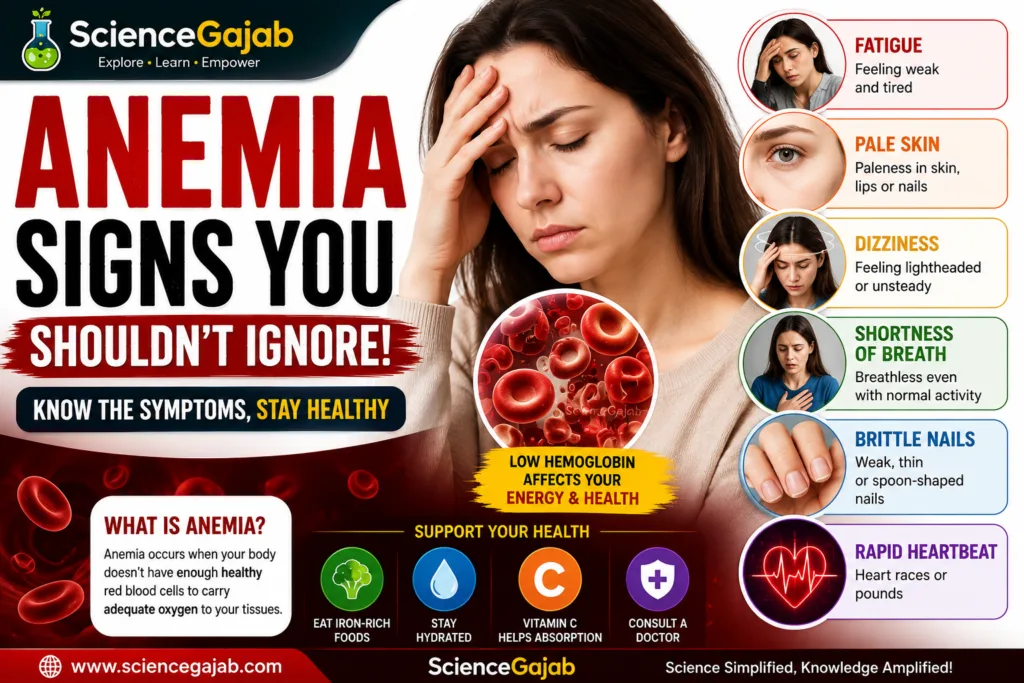
Anemia is one of the most common blood disorders worldwide, affecting millions of people of all ages. It occurs when your body does not have enough healthy red blood cells or hemoglobin to carry adequate oxygen to tissues. As a result, your organs and muscles receive less oxygen, leading to various symptoms that can affect your daily life.
Many people ignore the early signs of anemia because they often develop gradually. However, recognizing these symptoms early can help prevent serious complications and improve your overall health.
In this article, we’ll explain the signs of anemia, its causes, risk factors, diagnosis, treatment options, and effective prevention strategies.
What Is Anemia?
Anemia is a condition in which the blood contains fewer red blood cells (RBCs) or lower levels of hemoglobin than normal. Hemoglobin is an iron-rich protein inside red blood cells responsible for transporting oxygen throughout the body.
When hemoglobin levels fall, your body’s organs receive less oxygen, causing weakness, tiredness, and many other symptoms.
Modes of Virus Transmission with Examples (Airborne, Vector, Contact) – Easy Guide for Students
15 Common Signs of Anemia
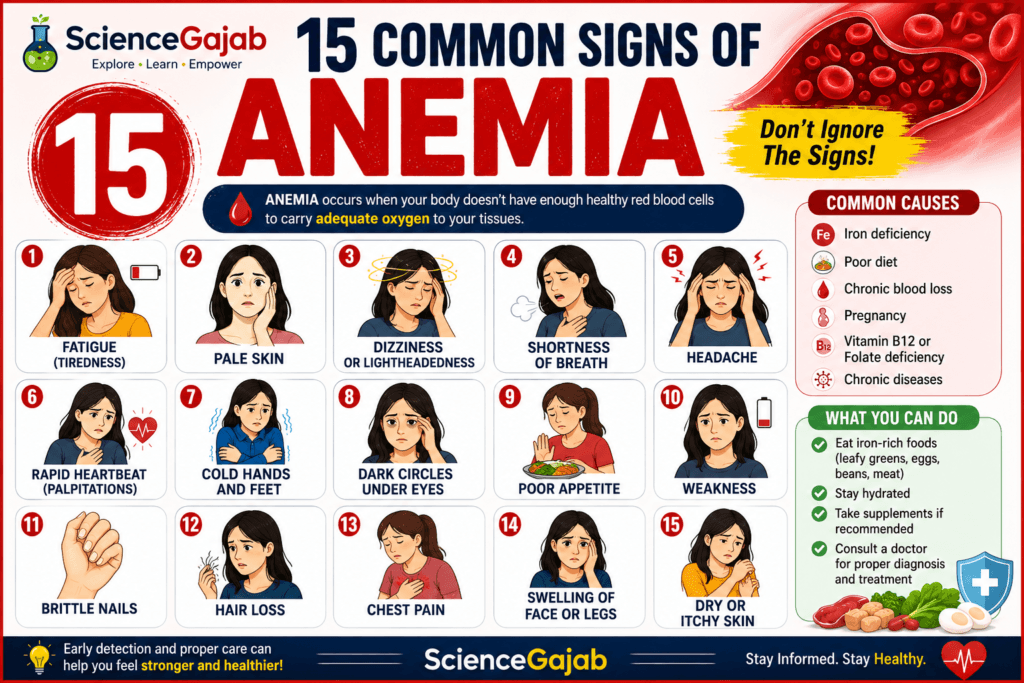
1. Constant Fatigue
Fatigue is the most common symptom of anemia.
People with anemia often feel exhausted even after getting enough sleep because their muscles and organs are not receiving enough oxygen.
You may notice:
- Feeling tired throughout the day
- Difficulty completing routine activities
- Lack of energy
- Needing frequent rest
2. Pale Skin
Pale skin is another classic sign.
Reduced hemoglobin makes the skin lose its healthy pink color. Pale skin may be noticeable on:
- Face
- Lips
- Gums
- Fingernails
- Inside eyelids
Why Do Lips Become Pale? (Simple Explanation You Can Trust)
3. Shortness of Breath
When oxygen delivery decreases, the lungs try to compensate by increasing breathing.
You may experience:
- Breathlessness while walking
- Difficulty climbing stairs
- Rapid breathing
- Feeling winded after mild activity
Difference Between Arteries and Veins (With Easy Diagram) — Simple Language
4. Dizziness or Lightheadedness
The brain requires a constant oxygen supply.
Low oxygen levels may cause:
- Dizziness
- Feeling faint
- Loss of balance
- Passing out in severe cases
Why Your Brain Suddenly Makes You Feel Dizzy
5. Frequent Headaches
People with anemia often complain of headaches because reduced oxygen supply causes blood vessels in the brain to widen.
Symptoms include:
- Persistent headaches
- Pressure around the forehead
- Morning headaches
🧠 What Happens During a Migraine? (Science Explained)
6. Rapid or Irregular Heartbeat
The heart works harder to deliver oxygen throughout the body.
This may result in:
- Heart palpitations
- Fast heartbeat
- Irregular heartbeat
- Chest discomfort
Why Does Heartbeat Increase Suddenly? (Simple Explanation You Can Trust)
7. Cold Hands and Feet
Poor oxygen circulation reduces blood flow to the extremities.
Common symptoms include:
- Cold fingers
- Cold toes
- Difficulty warming hands
- Numbness
Why Do Fingers Wrinkle in Water?
8. Brittle Nails
Iron deficiency anemia often affects nail health.
Signs include:
- Thin nails
- Easily broken nails
- Spoon-shaped nails (Koilonychia)
- Slow nail growth
9. Hair Loss
Hair follicles require oxygen and nutrients to grow properly.
Anemia may cause:
- Increased hair shedding
- Thinning hair
- Slower hair growth
The Real Reason Your Hair Turns Gray (It’s Not Just Aging)
10. Poor Concentration
The brain functions less efficiently when oxygen levels decrease.
Symptoms include:
- Difficulty focusing
- Memory problems
- Reduced productivity
- Brain fog
The Science of Happiness: How Dopamine Hacks Your Brain
11. Weakness
Many patients experience muscle weakness because muscles receive less oxygen during physical activity.
Even simple activities may become difficult.
🚨 Early Signs of Vitamin B12 Deficiency — Don’t Ignore These Warning Signals!
12. Chest Pain
Severe anemia can reduce oxygen delivery to the heart itself.
Chest pain is more common in:
- Older adults
- Heart disease patients
- Severe anemia
This symptom requires immediate medical attention.
❤️ What Happens During a Heart Attack? The Science Explained
13. Restless Legs Syndrome
Iron deficiency has been linked to restless legs syndrome.
Symptoms include:
- Uncomfortable leg sensations
- Urge to move the legs
- Difficulty sleeping
🫀 Human Circulatory System Basics: A Complete Guide
14. Craving Non-Food Items (Pica)
Some people with iron deficiency anemia develop unusual cravings for:
- Ice
- Clay
- Chalk
- Soil
- Paper
This condition is called Pica.
Why Do We Get “Brain Freeze” When Eating Ice Cream? The Science Behind Ice Cream Headaches 🍦🧠
15. Frequent Infections
Certain types of anemia may weaken the immune system, making infections more common.
What Causes Anemia?
Several conditions can cause anemia.
Iron Deficiency
The most common cause worldwide.
Causes include:
- Poor diet
- Heavy menstrual bleeding
- Pregnancy
- Internal bleeding
- Intestinal disorders
Vitamin Deficiency
Deficiency of:
- Vitamin B12
- Folate
- Vitamin C
can interfere with red blood cell production.
🚨 10 Signs Your Body Lacks Vitamins You Should Never Ignore
Chronic Diseases
Long-term illnesses such as:
- Kidney disease
- Cancer
- Rheumatoid arthritis
- Chronic infections
can reduce red blood cell production.
🔬 What Happens During Cellular Respiration (Step-by-Step, Easy)
Blood Loss
Blood loss may occur due to:
- Menstruation
- Surgery
- Injury
- Stomach ulcers
- Colon cancer
What are the 5 steps for hand hygiene?
Bone Marrow Disorders
Conditions like:
- Aplastic anemia
- Leukemia
- Myelodysplastic syndrome
affect blood cell production.
🩸 What Happens When You Transfuse Blood to a Normal Person?
Genetic Disorders
Inherited conditions include:
- Sickle cell disease
- Thalassemia
🦎Can Humans Regrow Body Parts? The Truth Will Surprise You
Who Is at Risk?
People more likely to develop anemia include:
- Pregnant women
- Children
- Teenagers
- Elderly adults
- Vegetarians and vegans
- People with heavy menstrual periods
- Kidney disease patients
- Individuals with digestive disorders
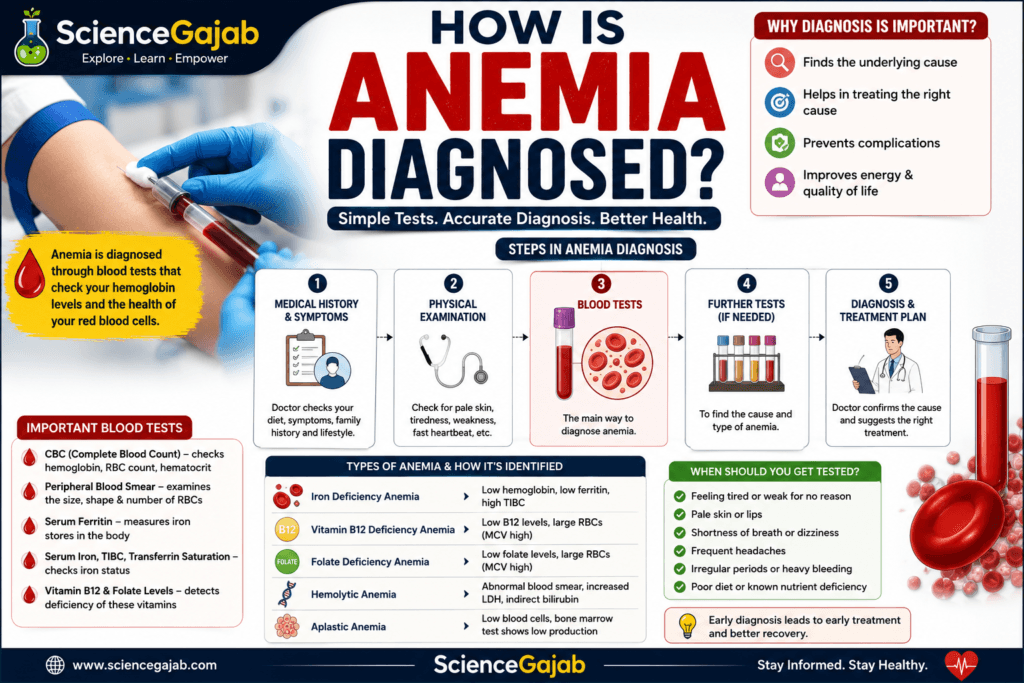
How Is Anemia Diagnosed?
Doctors usually recommend:
Complete Blood Count (CBC)
Measures:
- Hemoglobin
- Red blood cells
- Hematocrit
- MCV
- MCH
Iron Studies
Includes:
- Serum ferritin
- Serum iron
- Total iron-binding capacity (TIBC)
Vitamin Tests
- Vitamin B12
- Folate
Additional Tests
Depending on the suspected cause:
- Stool test for blood
- Endoscopy
- Colonoscopy
- Bone marrow examination (rare cases)
Treatment for Anemia
Treatment depends on the underlying cause.
Iron Supplements
Most common treatment for iron deficiency anemia.
Take only under medical supervision because excessive iron can be harmful.
Immune System: How Your Body Fights Diseases
Iron-Rich Foods
Include:
- Spinach
- Lentils
- Beans
- Red meat
- Chicken
- Fish
- Eggs
- Pumpkin seeds
- Tofu
Pair iron-rich foods with vitamin C sources like oranges, lemons, guava, and tomatoes to improve iron absorption.
Vitamin Supplements
Doctors may prescribe:
- Vitamin B12
- Folic acid
- Vitamin C
if deficiencies are identified.
Treat Underlying Diseases
Managing chronic kidney disease, ulcers, heavy menstrual bleeding, or gastrointestinal disorders is essential for long-term recovery.
Why Do Muscles Shake? The Hidden Reason Your Body Loses Control!
Blood Transfusion
In severe anemia with dangerously low hemoglobin or significant blood loss, a blood transfusion may be required.
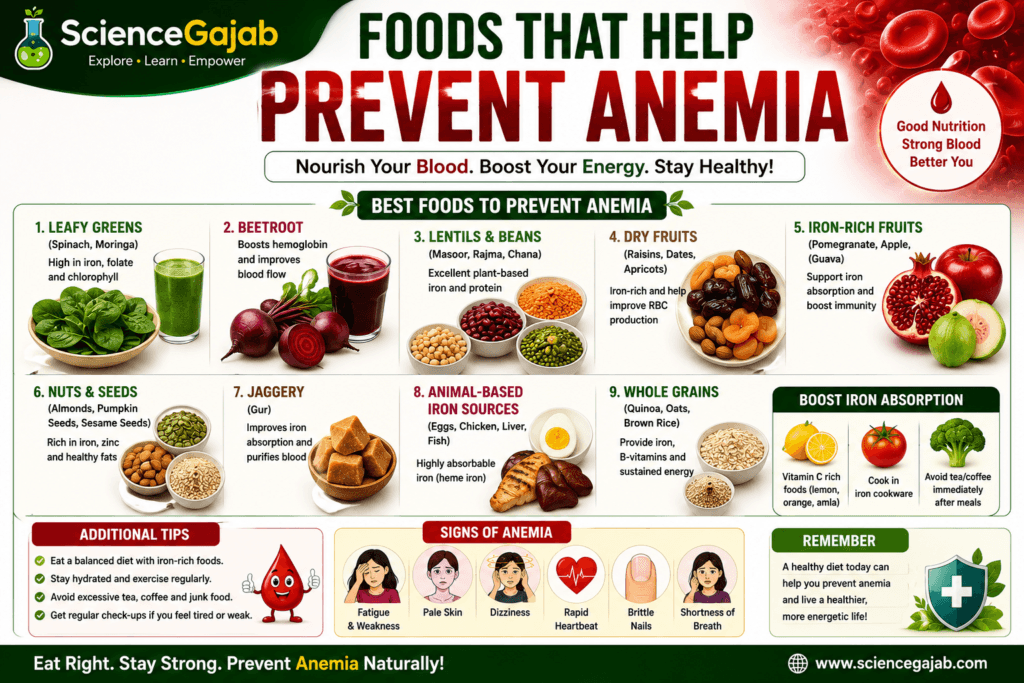
Foods That Help Prevent Anemia
Eat a balanced diet rich in:
Iron
- Spinach
- Beetroot
- Lentils
- Kidney beans
- Chickpeas
- Liver
- Lean meat
Vitamin B12
- Eggs
- Milk
- Cheese
- Fish
- Meat
Folate
- Broccoli
- Avocado
- Green leafy vegetables
- Citrus fruits
Vitamin C
- Orange
- Lemon
- Kiwi
- Guava
- Bell peppers
When Should You See a Doctor?
Consult your healthcare provider if you experience:
- Extreme fatigue
- Persistent dizziness
- Chest pain
- Fainting
- Shortness of breath
- Blood in stool
- Heavy menstrual bleeding
- Rapid heartbeat
Early diagnosis helps prevent complications.
15 Best Foods to Improve Memory Naturally: Science-Backed Brain Nutrition
Can Anemia Be Prevented?
Yes, many cases of anemia can be prevented by:
- Eating an iron-rich diet
- Taking prenatal vitamins during pregnancy
- Treating heavy menstrual bleeding
- Managing chronic diseases
- Avoiding unnecessary blood loss
- Getting regular health checkups
Frequently Asked Questions (FAQs)
What is the first sign of anemia?
Fatigue and unusual tiredness are usually the earliest symptoms.
Can anemia cause anxiety?
Yes. Low oxygen delivery to the brain may contribute to anxiety, irritability, and difficulty concentrating.
Is anemia serious?
Mild anemia is often manageable, but severe or untreated anemia can lead to heart problems, pregnancy complications, and reduced quality of life.
What foods increase hemoglobin quickly?
Iron-rich foods such as spinach, lentils, beans, lean meat, liver, eggs, and vitamin C-rich fruits help support hemoglobin production over time.
Can anemia go away on its own?
Some mild cases improve with better nutrition, but many require medical evaluation and treatment of the underlying cause.
Key Takeaways
- Anemia occurs when your body lacks enough healthy red blood cells or hemoglobin.
- Common signs include fatigue, pale skin, dizziness, weakness, shortness of breath, headaches, and rapid heartbeat.
- Iron deficiency is the leading cause, but vitamin deficiencies, chronic diseases, blood loss, and genetic disorders can also contribute.
- Early diagnosis and proper treatment are essential to prevent complications.
- Eating a nutrient-rich diet and addressing underlying health conditions can help prevent anemia.
Reviewed by: ScienceGajab Editorial Team
Evidence-based: This article is based on trusted medical sources, including the WHO, CDC, NHLBI, and standard hematology textbooks.
Medical Disclaimer: This content is for educational purposes only and is not a substitute for professional medical advice, diagnosis, or treatment. If you have symptoms of anemia, consult a qualified healthcare professional for proper evaluation.
Last Updated: July 2026