
🩸 Your Blood Isn’t Just Red — It’s a Living Oxygen Transport System
Cut your finger and you see red.why blood is red science
But have you ever wondered:
Why is blood red?
👉 Why do veins look blue?
👉 Does blood ever turn blue inside the body?
The answer lies in a powerful molecule called hemoglobin.
And the science behind it is more fascinating than you think.
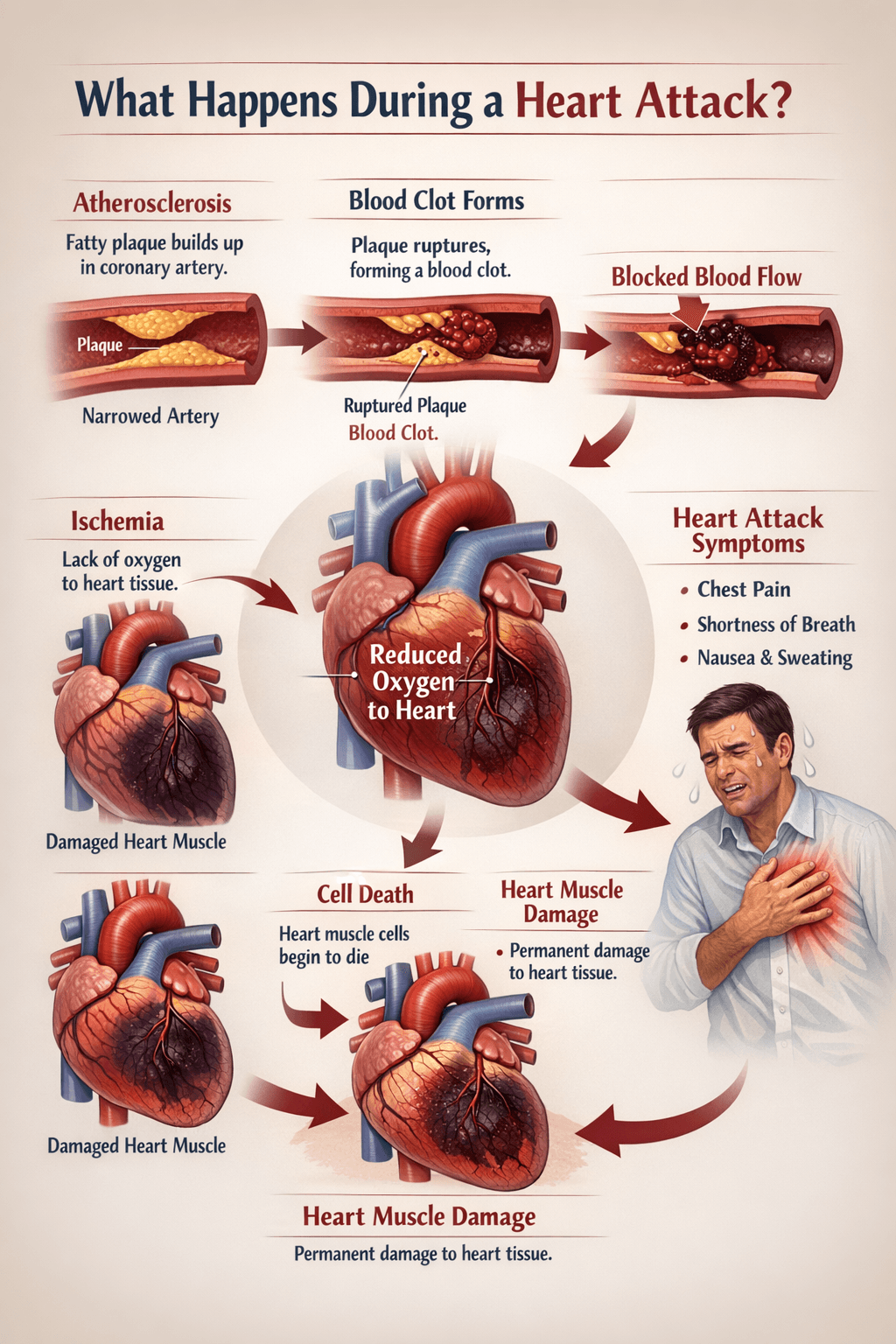
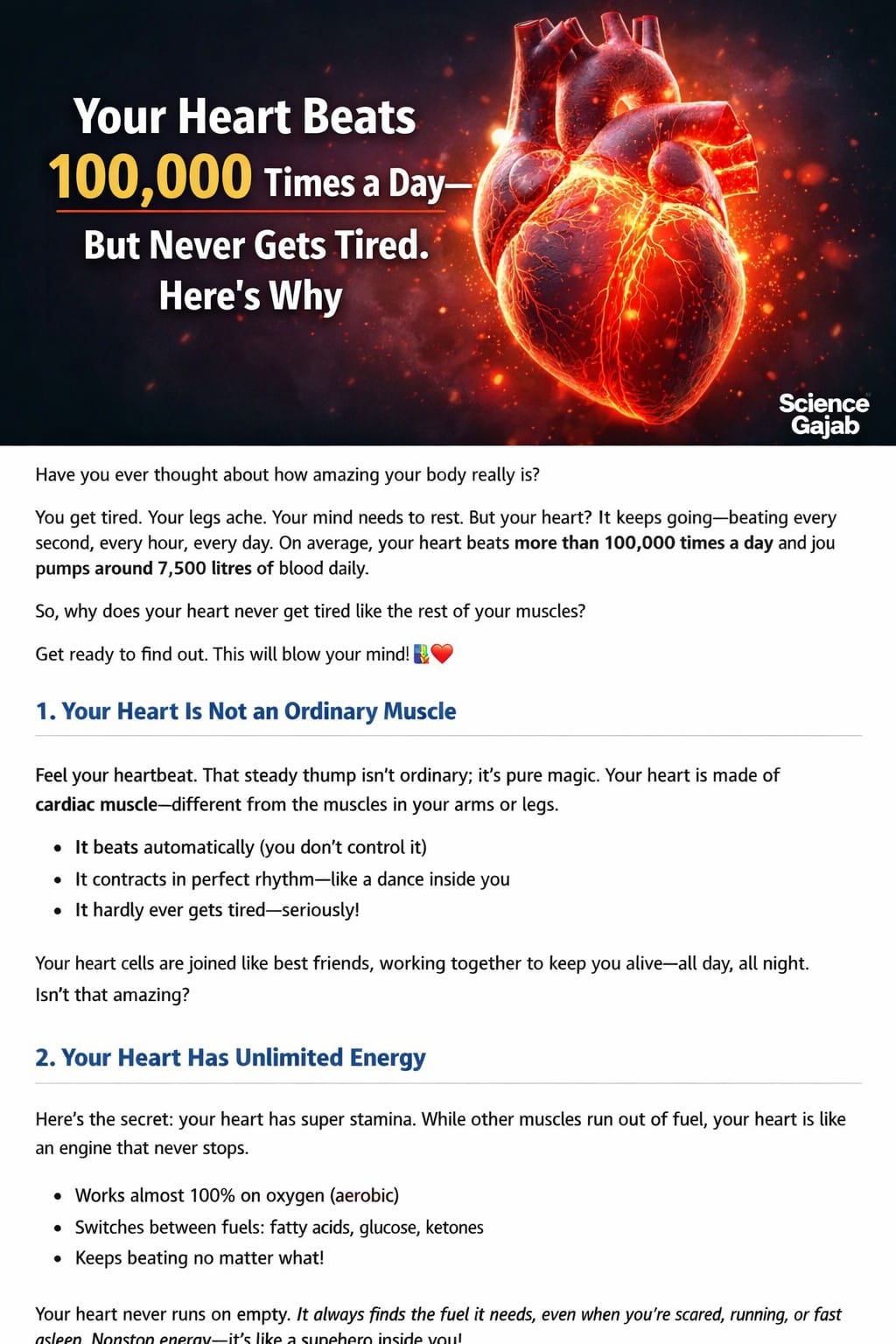
learn what happens durin heart attack
🔬 The Real Reason Blood Is Red
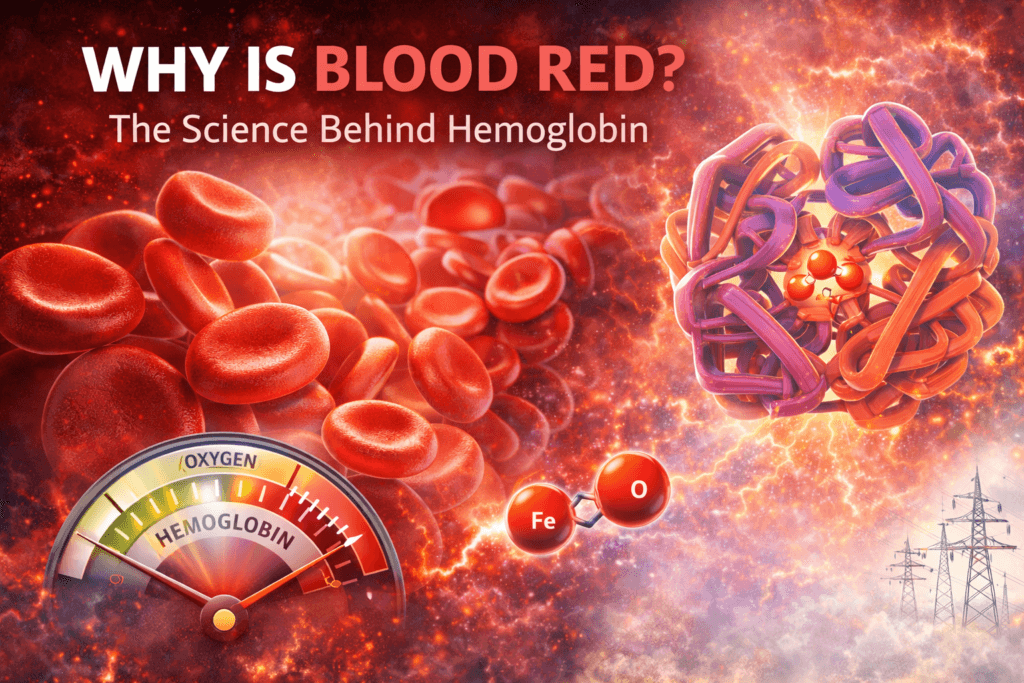
Your blood is red because of hemoglobin, a protein found inside red blood cells.
Hemoglobin contains iron.
And iron is the key.
When iron binds with oxygen, it reflects red light.
That’s why oxygen-rich blood appears bright red.
learn what happens durin heart attack
🧪 What Exactly Is Hemoglobin?
Hemoglobin is a complex protein made of:
- Four protein chains
- Four iron-containing groups (heme groups)
Each iron atom can bind one oxygen molecule.
That means one hemoglobin molecule can carry four oxygen molecules at once.
Efficient. Powerful. Life-saving.
🫁 How Oxygen Changes Blood Color
Here’s where it gets interesting.
❤️ Oxygen-Rich Blood (Arterial Blood)
When blood picks up oxygen in the lungs:
- Oxygen binds to iron in hemoglobin
- The molecular shape changes slightly
- Light reflection changes
Result?
Bright cherry-red blood.
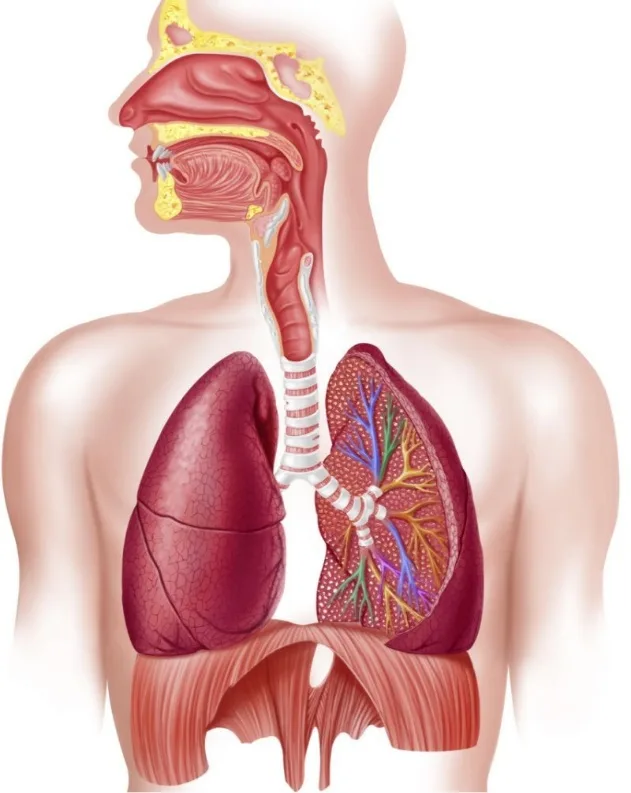
🫁 Importance of Oxygen in Respiration: Why Every Cell Needs It
🩸 Oxygen-Poor Blood (Venous Blood)
When blood delivers oxygen to tissues:
- Oxygen detaches
- Hemoglobin changes shape again
Now blood appears darker red — almost maroon.
But here’s the truth:
👉 Blood is never blue.
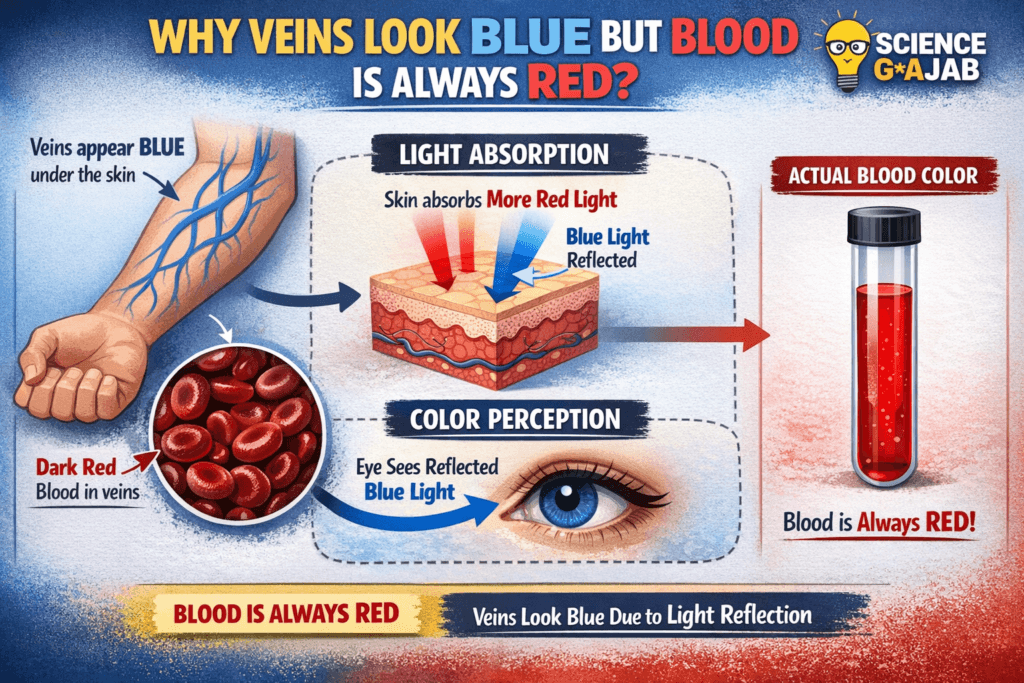
Veins look blue because of how light passes through skin.
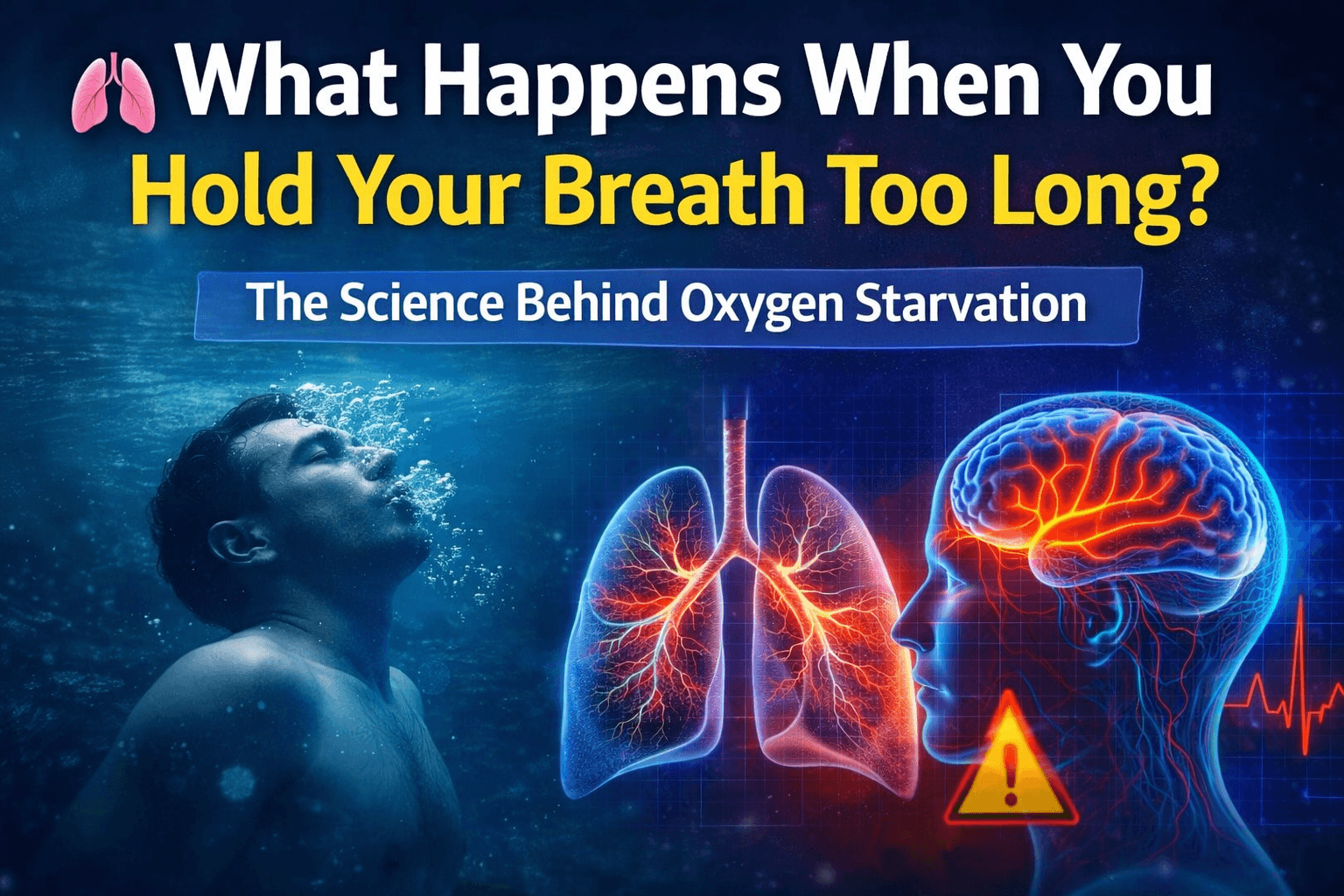
🫁 What Happens When You Hold Your Breath Too Long? The Science Behind Oxygen Starvation
🧠 Why Veins Look Blue
This is a common myth.
Veins appear blue because:
- Skin absorbs red wavelengths
- Blue light reflects back to your eyes
It’s an optical illusion.
Inside your body, blood is always red — just different shades.
🧠 Why Does Your Brain Forget Things? The Science Will Surprise You
🔥 The Role of Iron in Blood Color
Iron is not just for strength — it’s essential for life.
In hemoglobin:
- Iron binds oxygen
- It helps transport oxygen to every cell
- It enables cellular respiration
Without iron, hemoglobin cannot carry oxygen.
That’s why iron deficiency leads to anemia.
🧬 What Happens in Anemia?
When hemoglobin levels drop:
- Oxygen delivery decreases
- You feel tired
- Skin may look pale
- Weakness increases
Less hemoglobin = less red pigment.
That’s why severe anemia can make blood appear lighter.
🧫 What About Other Animals?
Here’s where things get mind-blowing.
Not all creatures have red blood.
🐙 Octopus & Squid
They have blue blood.
Instead of iron, they use copper-based protein called hemocyanin.
Copper + oxygen = blue color.
🐛 Some Worms
Have green blood due to different oxygen-binding molecules.
Nature is diverse.
But humans?
Iron-based red blood.
learn 🌱Difference Between Plant and Animal Cells | Simple Explanation for Students
⚡ Why Hemoglobin Is So Efficient
Hemoglobin doesn’t just carry oxygen randomly.
It adjusts based on:
- pH levels
- Carbon dioxide concentration
- Temperature
This is called the Bohr effect.
It ensures oxygen is delivered exactly where it’s needed most.
For example:
- Active muscles get more oxygen
- Resting tissues get less
Precision biology.
learn Breathing and exchange of gases
🩸 How Many Red Blood Cells Do You Have?
In just one drop of blood:
- About 5 million red blood cells
In your entire body:
- Around 20–30 trillion red blood cells
That’s a massive oxygen delivery network.
🧠 Why Blood Looks Brighter When You’re Healthy
Healthy blood has:
- Adequate hemoglobin
- Proper iron levels
- Good oxygen saturation
Bright red blood usually indicates strong oxygen content.
Dark, dull blood may signal low oxygen.
🚀 Fun Blood Facts
✔ Your body makes 2 million red blood cells every second.
✔ Red blood cells live about 120 days.
✔ They have no nucleus (to carry more hemoglobin).
✔ Blood makes up about 7–8% of your body weight.
Your blood is constantly renewing itself.
🧬 The Bigger Picture
Blood is not just red liquid.
It is:
- Oxygen transport system
- Nutrient delivery network
- Waste removal system
- Immune defense pathway
Hemoglobin makes all of this possible.
Without it, life stops within minutes.
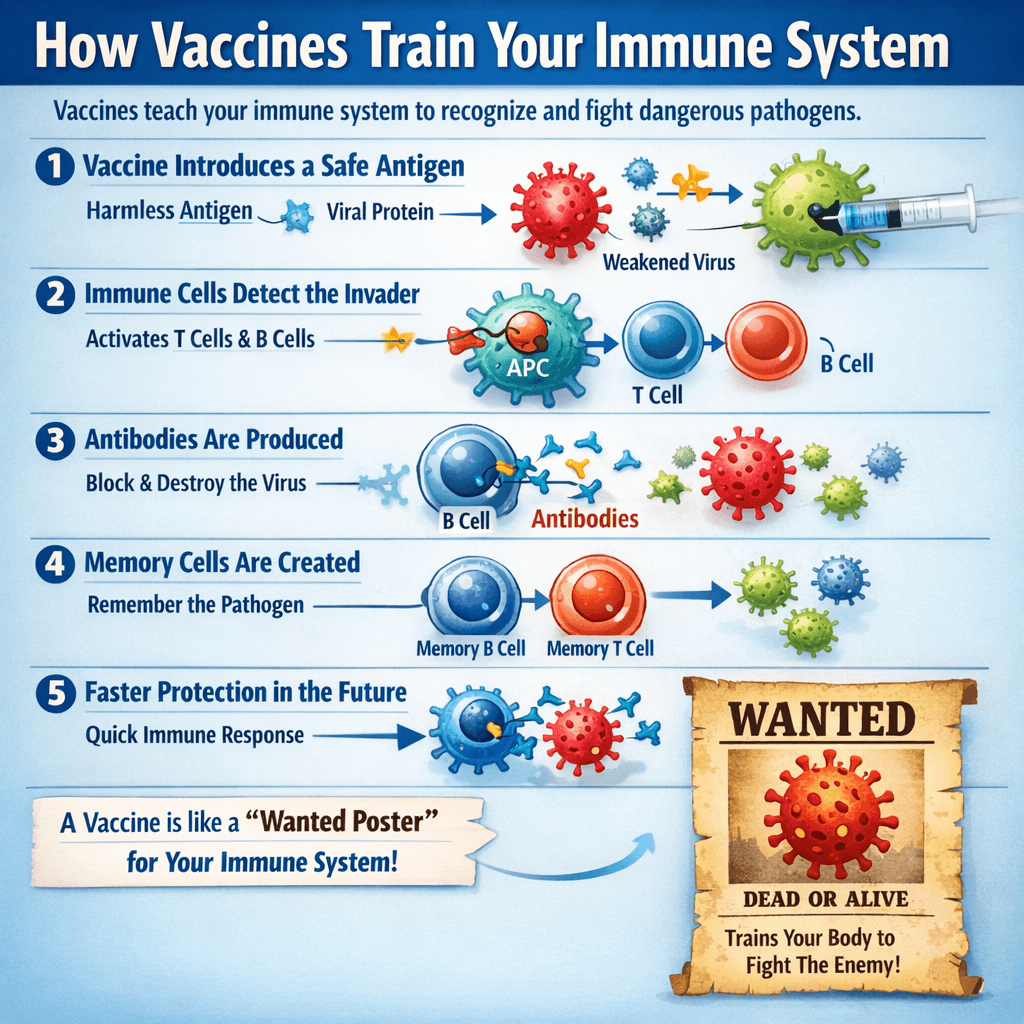
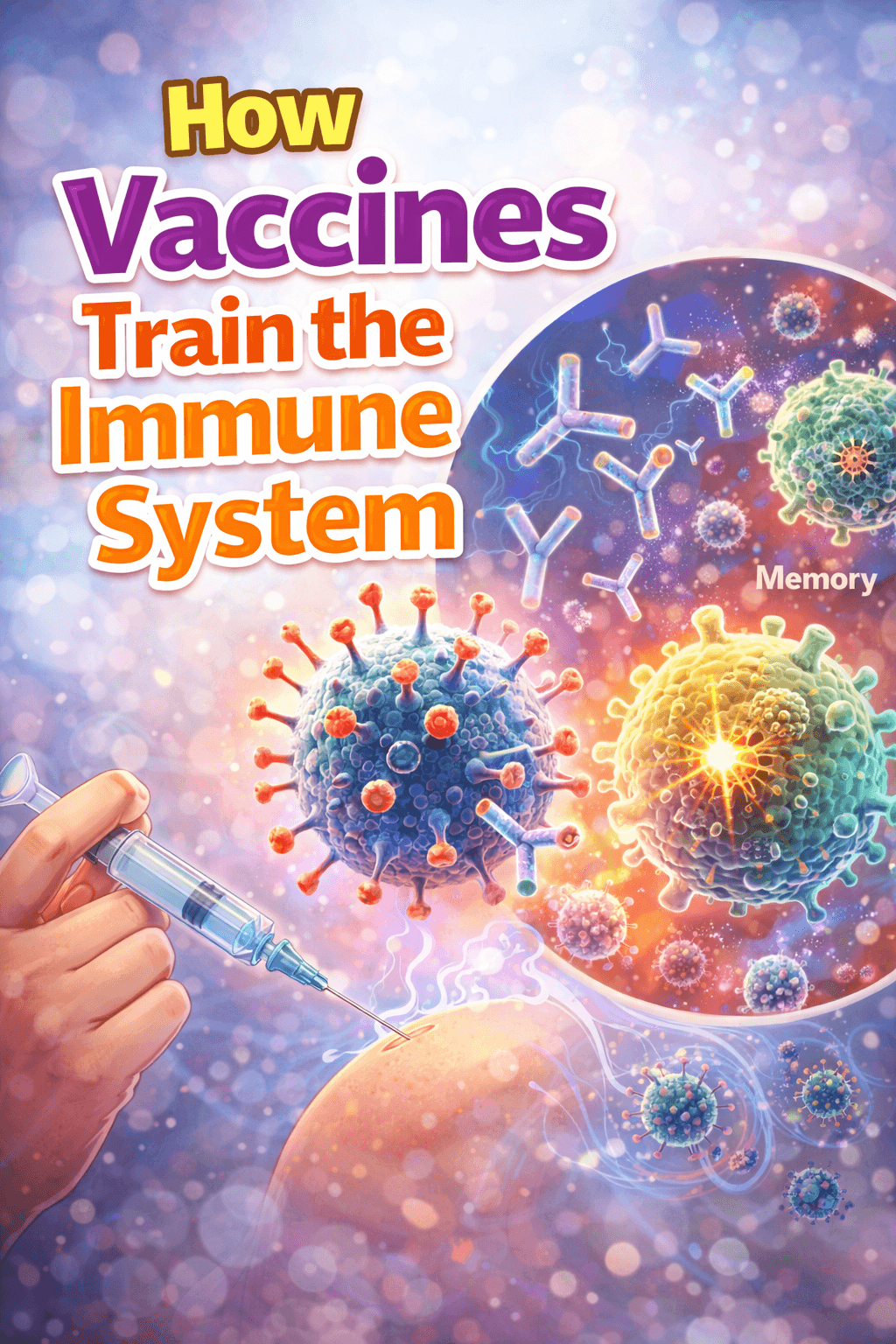
How Vaccines Train Your Immune System
how vaccine train immune system
💡 Final Thought
Next time you see blood, remember:
That red color represents oxygen.
That oxygen represents energy.
And that energy keeps you alive every second.
It’s not just red.
It’s biological brilliance.
That’s real ScienceGajab.
🔥Read also
do you know why do we dream
❓ FAQ
Because hemoglobin contains iron, which reflects red light when bound to oxygen.
No. Blood is always red, but veins look blue due to light reflection through skin.
Lower oxygen levels make blood appear darker.