
calcium deficiency symptoms
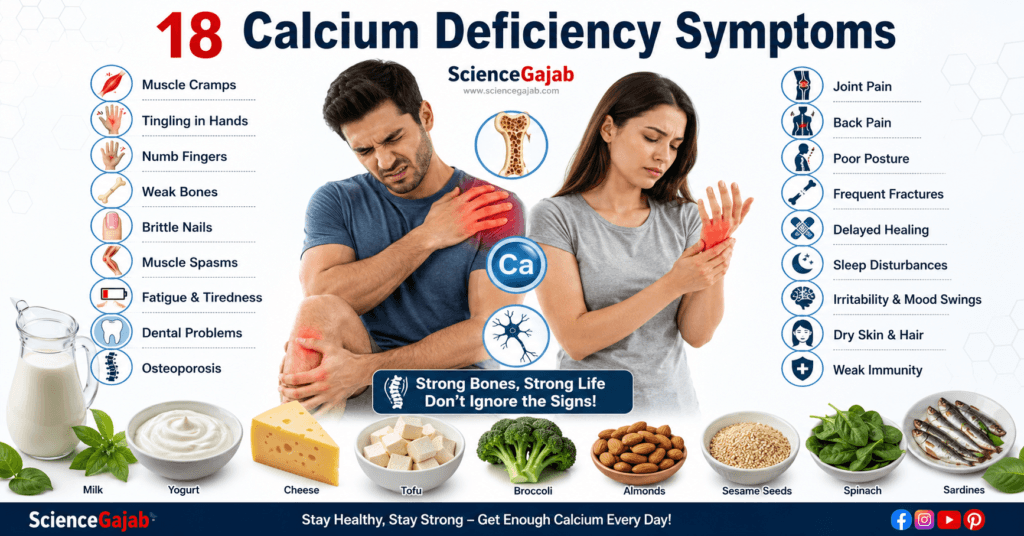
18 Calcium Deficiency Symptoms You Should Never Ignore (Hypocalcemia Warning Signs)
Reviewed by: ScienceGajab Medical Content Team
Reading Time: 13 Minutes
Last Updated: oct 2026
Quick Answer
Calcium deficiency, also called hypocalcemia, occurs when the level of calcium in the blood becomes too low or when the body does not get enough calcium over time. Early symptoms may include muscle cramps, tingling in the fingers, numbness, fatigue, brittle nails, dry skin, muscle spasms, and dental problems. If untreated, severe calcium deficiency can lead to osteoporosis, fractures, seizures, heart rhythm abnormalities, and muscle tetany.
Fortunately, most cases can be managed by identifying the underlying cause, increasing calcium intake through diet, correcting vitamin D deficiency when present, and using supplements if recommended by a healthcare professional.
Table of Contents
- What Is Calcium?
- Why Is Calcium Important?
- Who Is at Risk?
- 18 Calcium Deficiency Symptoms
- Causes
- Risk Factors
- Diagnosis
- Treatment
- Best Calcium-Rich Foods
- Prevention
- FAQs
- Key Takeaways
What Is Calcium?
Calcium is the most abundant mineral in the human body. Around 99% of the body’s calcium is stored in bones and teeth, while the remaining 1% circulates in the blood and soft tissues.
Although this small amount seems insignificant, it is essential for many life-sustaining functions.
When blood calcium levels fall, the body removes calcium from bones to maintain normal blood levels. Over time, this can weaken bones if calcium intake remains inadequate.
Why Is Calcium Important?
Calcium is needed for:
- Building strong bones and teeth
- Muscle contraction
- Nerve signal transmission
- Blood clotting
- Maintaining a normal heartbeat
- Hormone release
- Healthy cell function
Vitamin D also plays an important role by helping the body absorb calcium from food.
Who Is Most at Risk?
Calcium deficiency is more common in:
- Older adults
- Postmenopausal women
- People with vitamin D deficiency
- Individuals with lactose intolerance who avoid dairy
- Vegans with low calcium intake
- People with kidney disease
- Individuals with disorders affecting calcium absorption
- Patients who have had thyroid or parathyroid surgery
- People taking certain medications (such as long-term corticosteroids)
Early Calcium Deficiency Symptoms
Symptoms often develop gradually. Mild deficiency may not cause noticeable problems, while more severe deficiency can affect muscles, nerves, bones, and the heart.
1. Muscle Cramps
One of the earliest and most common symptoms is muscle cramping.
These cramps frequently occur in:
- Calves
- Feet
- Hands
- Back
They may become worse during exercise or at night.
2. Tingling in Fingers and Toes
Low calcium can interfere with normal nerve function.
People often describe:
- Pins-and-needles sensation
- Tingling around the mouth
- Tingling in fingertips
- Tingling in toes
Persistent tingling should always be medically evaluated because it has many possible causes.
Tingling in Hands and Feet: Causes, Symptoms & When to Worry
3. Numbness
Some individuals experience numbness affecting:
- Hands
- Feet
- Lips
- Tongue
This occurs because calcium is essential for normal nerve signaling.
4. Muscle Twitching
Small involuntary muscle movements may develop.
These may occur in:
- Eyelids
- Fingers
- Arms
- Legs
Persistent twitching may indicate an electrolyte imbalance or another neurological condition.
Why Do Eyes Twitch? (Simple Explanation You Can Trust)
5. Fatigue
People with calcium deficiency often report:
- Feeling tired
- Low energy
- Poor exercise tolerance
- General weakness
Because fatigue is a nonspecific symptom, doctors often investigate additional causes such as anemia, thyroid disease, or vitamin deficiencies.
This 2% Body Organ Controls 20% of Your Energy
Did You Know?
Your bones act as a calcium reservoir. If dietary calcium intake is too low, the body may draw calcium from bones to keep blood calcium levels stable, which can gradually weaken bones over time.
Doctor’s Tip
Muscle cramps and tingling are not always caused by calcium deficiency. Similar symptoms can occur with magnesium deficiency, vitamin D deficiency, nerve disorders, or certain medications. Proper diagnosis usually requires blood tests and a medical evaluation.
6. Weak and Brittle Nails
Calcium plays an important role in maintaining healthy nails. Long-term deficiency may cause nails to become:
- Thin
- Brittle
- Easily broken
- Slow-growing
Although brittle nails can result from aging or other nutritional deficiencies (such as iron deficiency), calcium deficiency may contribute in some people.
15 Vitamin E Deficiency Symptoms You Should Never Ignore (Early Warning Signs)
7. Dry, Rough Skin
Healthy skin depends on adequate nutrition, including calcium.
Some people with calcium deficiency may notice:
- Dry skin
- Rough patches
- Itching
- Reduced skin elasticity
These symptoms are not specific to calcium deficiency but may occur alongside other signs.
8. Tooth Problems
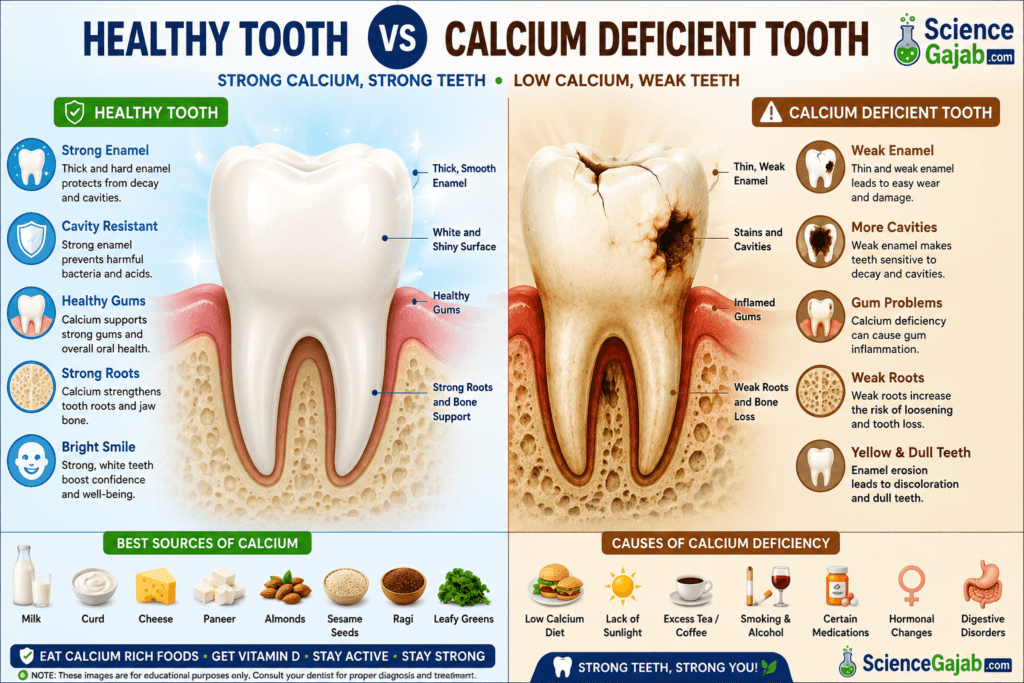
Because calcium is a major component of teeth, deficiency can affect dental health.
Possible problems include:
- Weak tooth enamel
- Tooth decay
- Sensitive teeth
- Increased cavities
Children with prolonged calcium deficiency may have delayed tooth development.
9. Bone Pain
Persistent calcium deficiency may lead to:
- Aching bones
- Pain in the hips or lower back
- Tenderness over bones
Bone pain should always be evaluated because it can have many causes.
Why Does One Side of the Nose Get Blocked? The Surprising Science Behind the Nasal Cycle
10. Frequent Bone Fractures
Over time, inadequate calcium intake may reduce bone strength and increase the risk of fractures, especially in older adults.
Fractures commonly affect:
- Wrist
- Hip
- Spine
What Your Feet Reveal About Your Health: 10 Warning Signs You Should Never Ignore
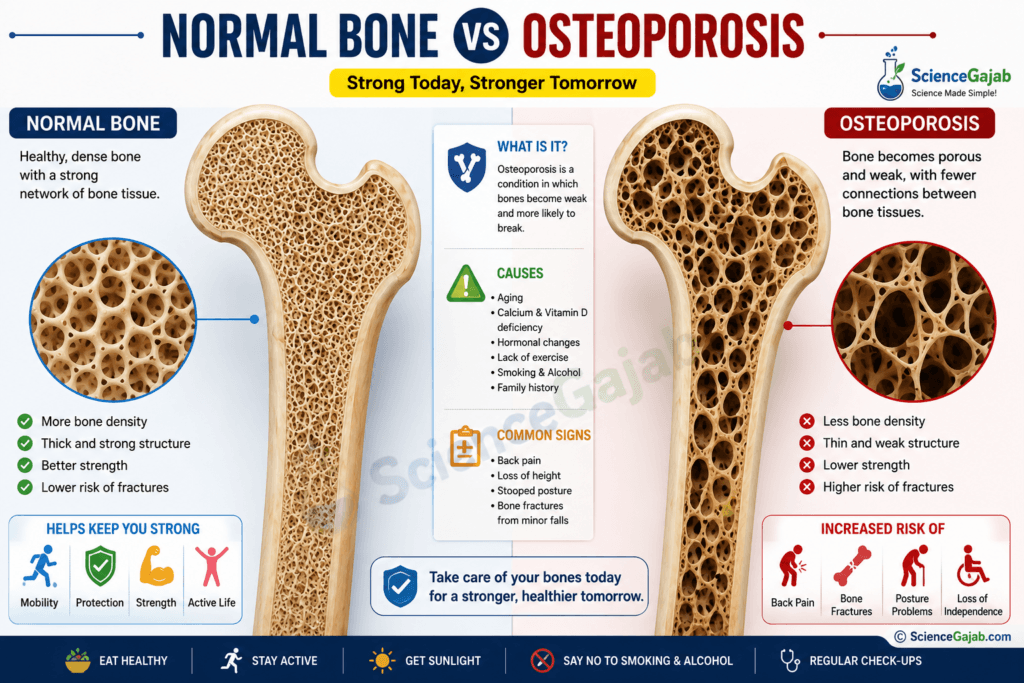
11. Weak Bones (Osteopenia)
Long-term calcium deficiency may contribute to osteopenia, a condition in which bone mineral density is lower than normal but not low enough to be classified as osteoporosis.
Without treatment, osteopenia can progress to osteoporosis.
12. Osteoporosis
Calcium deficiency, particularly when combined with vitamin D deficiency or aging, can contribute to osteoporosis.
People with osteoporosis have:
- Fragile bones
- Increased fracture risk
- Loss of height over time
- Stooped posture in some cases
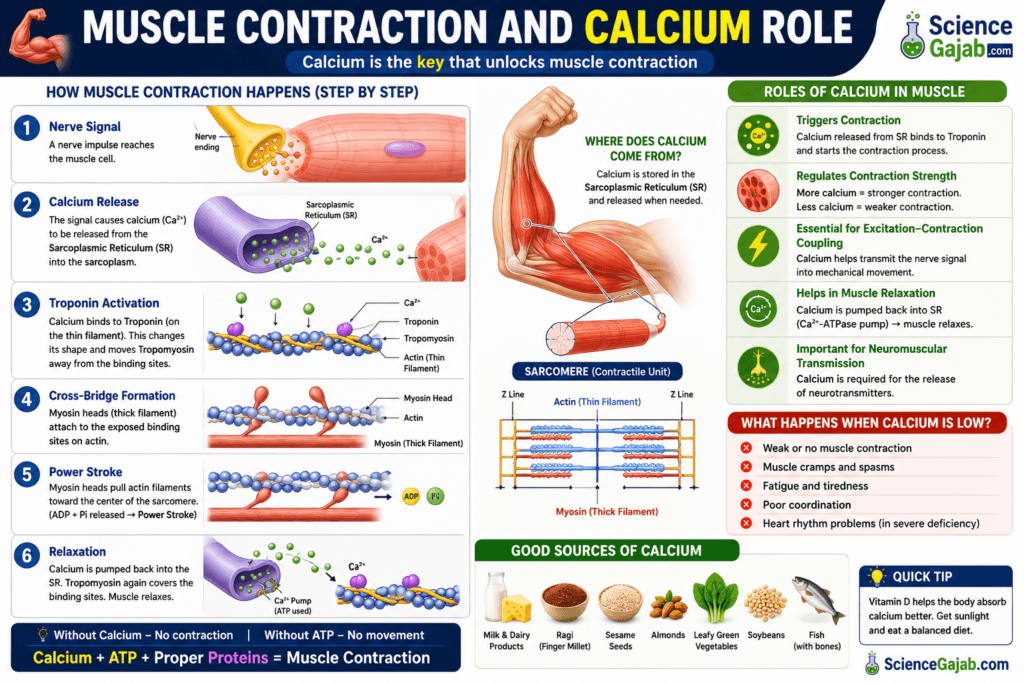
13. Muscle Spasms (Tetany)
A significant drop in blood calcium levels can cause tetany, a condition characterized by involuntary muscle contractions.
Symptoms include:
- Painful muscle spasms
- Tightness in the hands and feet
- Finger stiffness
- Facial muscle twitching
Tetany requires prompt medical assessment.
14. Seizures
Severe hypocalcemia may affect brain function and, in rare cases, lead to seizures.
Seek emergency medical care immediately if a seizure occurs.
15. Confusion and Memory Problems
Calcium is important for normal brain function.
Some individuals may experience:
- Confusion
- Difficulty concentrating
- Forgetfulness
- Brain fog
These symptoms are not unique to calcium deficiency and should be medically evaluated.
16. Depression or Mood Changes
Some people with calcium deficiency report:
- Low mood
- Anxiety
- Irritability
- Poor sleep
Mood disorders have many possible causes, so calcium deficiency should not be assumed without appropriate testing.
17. Abnormal Heart Rhythm
Calcium helps regulate the electrical activity of the heart.
Severe deficiency may cause:
- Palpitations
- Irregular heartbeat
- Dizziness
- Fainting
Heart rhythm abnormalities require urgent medical evaluation.
How to Read Electrocardiograph (ECG)?
18. Easy Fatigue During Exercise
People with calcium deficiency may notice:
- Reduced stamina
- Muscle fatigue
- Difficulty exercising
- Longer recovery after physical activity
Common Causes of Calcium Deficiency
1. Low Calcium Intake
The most common cause is not consuming enough calcium-rich foods over time.
2. Vitamin D Deficiency
Vitamin D is essential for calcium absorption.
Even if calcium intake is adequate, vitamin D deficiency may reduce absorption from the intestines.
3. Parathyroid Disorders
The parathyroid glands regulate blood calcium levels through parathyroid hormone (PTH).
Conditions such as hypoparathyroidism can lead to low blood calcium.
4. Chronic Kidney Disease
Kidney disease can disrupt vitamin D activation and calcium balance, increasing the risk of hypocalcemia.
5. Digestive Disorders
Conditions that reduce nutrient absorption include:
- Celiac disease
- Crohn’s disease
- Chronic pancreatitis
- Bariatric surgery
6. Certain Medications
Some medications may contribute to low calcium levels, including:
- Long-term corticosteroids
- Certain anti-seizure medicines
- Some osteoporosis medications
- Certain chemotherapy drugs
Never stop prescribed medications without consulting your healthcare provider.
Signs of Anemia: 15 Warning Symptoms You Should Never Ignore
Risk Factors
People at higher risk include:
- Older adults
- Postmenopausal women
- People with vitamin D deficiency
- Vegans with inadequate calcium intake
- Individuals who avoid dairy without suitable alternatives
- People with kidney disease
- Patients after thyroid or parathyroid surgery
- Individuals with digestive disorders
15 Best Foods to Improve Memory Naturally
Calcium Deficiency vs Vitamin D Deficiency
| Calcium Deficiency | Vitamin D Deficiency |
|---|---|
| Muscle cramps | Muscle weakness |
| Tingling in fingers | Bone pain |
| Tetany | Frequent infections (may occur) |
| Numbness | Fatigue |
| Abnormal heart rhythm (severe cases) | Poor calcium absorption |
| Low blood calcium | May lead to low calcium over time |
Vitamin D deficiency often contributes to calcium deficiency because the two nutrients work closely together.
How Is Calcium Deficiency Diagnosed?
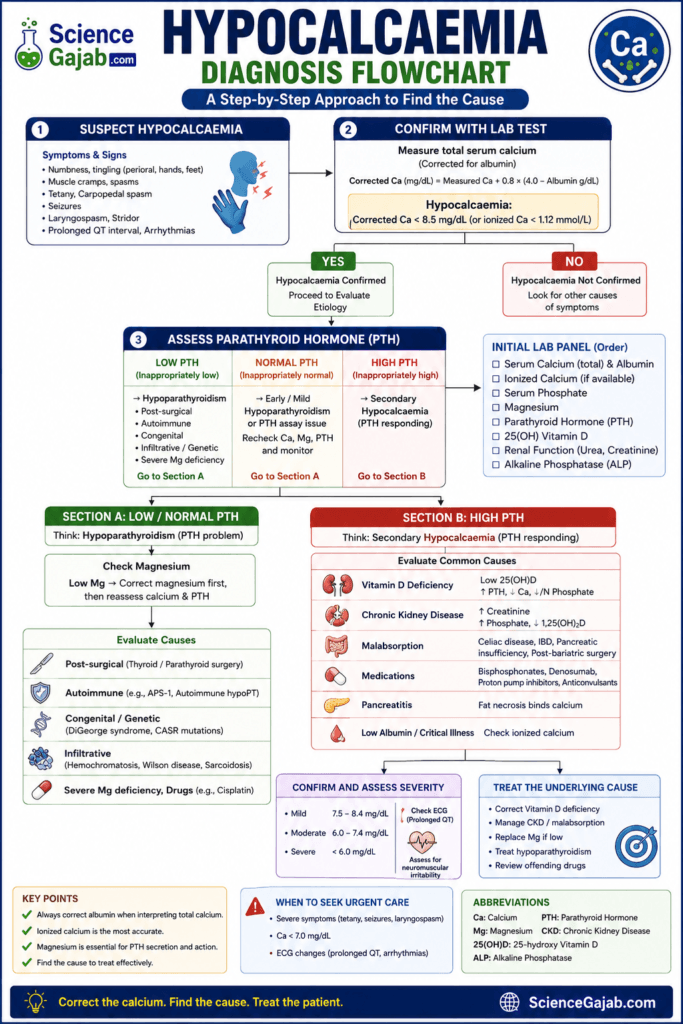
A healthcare professional may recommend:
Medical History
Questions about:
- Diet
- Vitamin D intake
- Kidney disease
- Medications
- Previous surgeries
- Family history
18 Zinc Deficiency Symptoms You Should Never Ignore (Early Warning Signs)
Physical Examination
The doctor may look for:
- Muscle spasms
- Signs of tetany
- Abnormal reflexes
- Bone tenderness
- Dental changes
Blood Tests
Common investigations include:
- Serum calcium
- Ionized calcium
- Vitamin D level
- Parathyroid hormone (PTH)
- Magnesium level
- Phosphate level
- Kidney function tests
Complete Blood Count (CBC) Explained: What Every Blood Test Value Means
Imaging
If bone disease is suspected, your healthcare provider may recommend:
- Bone mineral density (DEXA) scan
- X-rays (if fractures are suspected)
Possible Complications
If untreated, calcium deficiency may lead to:
- Osteopenia
- Osteoporosis
- Bone fractures
- Chronic muscle spasms
- Dental problems
- Heart rhythm abnormalities
- Seizures (severe hypocalcemia)
Early diagnosis and treatment help reduce the risk of these complications.
15 Vitamin A Deficiency Symptoms You Should Never Ignore (Early Warning Signs)
Can Calcium Deficiency Be Treated?
Yes. In most cases, calcium deficiency can be successfully treated once the underlying cause is identified. Treatment depends on:
- Severity of hypocalcemia
- Dietary calcium intake
- Vitamin D status
- Kidney function
- Parathyroid gland function
- Other medical conditions
People with severe hypocalcemia may require urgent medical treatment, while mild deficiency can often be managed through diet and supplements under medical supervision.
Treatment Options
1. Increase Calcium-Rich Foods
For mild calcium deficiency, improving dietary intake is usually the first step.
Good dietary sources include:
- Milk
- Yogurt
- Cheese
- Tofu
- Sardines
- Sesame seeds
- Almonds
- Broccoli
- Kale
15 Vitamin K Deficiency Symptoms You Should Never Ignore (Early Warning Signs)
2. Calcium Supplements
A healthcare professional may recommend calcium supplements if dietary intake is insufficient or blood calcium levels remain low.
Common forms include:
- Calcium carbonate
- Calcium citrate
The appropriate type and dose depend on individual health needs. Do not exceed recommended doses without medical advice.
20 Magnesium Deficiency Symptoms You Should Never Ignore (Early Warning Signs)
3. Vitamin D Supplementation
Vitamin D is essential for calcium absorption.
If vitamin D deficiency is present, correcting it is often necessary for calcium levels to improve.
15 Folate Deficiency Symptoms You Should Never Ignore (Vitamin B9 Deficiency)
4. Treat the Underlying Cause
Long-term management depends on addressing conditions such as:
- Vitamin D deficiency
- Hypoparathyroidism
- Chronic kidney disease
- Malabsorption disorders
- Medication-related causes
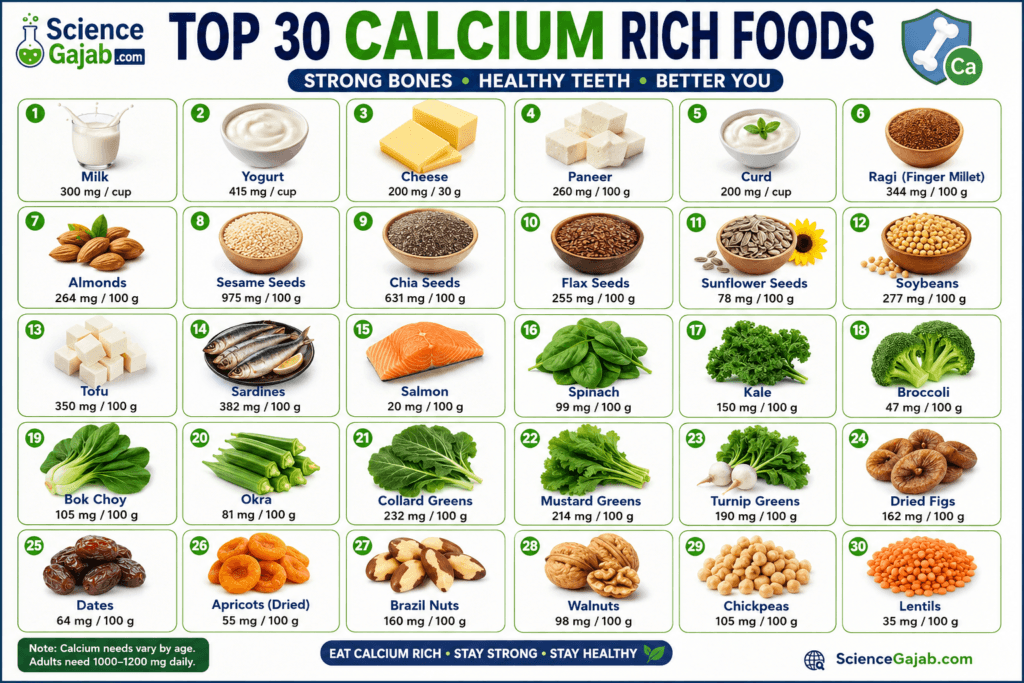
30 Best Calcium-Rich Foods
Dairy Products
| Food | Calcium (Approx./100 g) |
|---|---|
| Parmesan cheese | 1,180 mg |
| Cheddar cheese | 720 mg |
| Yogurt | 120 mg |
| Milk | 120 mg |
| Cottage cheese | 83 mg |
Fish
| Food | Calcium |
|---|---|
| Sardines (with bones) | 382 mg |
| Canned salmon (with bones) | 215 mg |
Plant Sources
| Food | Calcium |
|---|---|
| Tofu (calcium-set) | 350 mg* |
| Sesame seeds | 975 mg |
| Chia seeds | 631 mg |
| Almonds | 269 mg |
| Soybeans | 277 mg |
| White beans | 240 mg |
*Calcium content varies depending on preparation.
Green Vegetables
| Food | Calcium |
|---|---|
| Kale | 150 mg |
| Broccoli | 47 mg |
| Bok choy | 105 mg |
| Turnip greens | 190 mg |
| Collard greens | 232 mg |
Fortified Foods
Many products are fortified with calcium, including:
- Plant-based milk
- Breakfast cereals
- Orange juice (in some countries)
Always check the nutrition label for calcium content.
Complete Blood Count (CBC) Explained: What Every Blood Test Value Means
Top 30 Calcium-Rich Foods
- Parmesan cheese
- Sesame seeds
- Chia seeds
- Cheddar cheese
- Tofu
- Sardines
- Canned salmon
- Soybeans
- White beans
- Almonds
- Kale
- Collard greens
- Turnip greens
- Bok choy
- Broccoli
- Milk
- Yogurt
- Cottage cheese
- Fortified soy milk
- Fortified almond milk
- Fortified breakfast cereal
- Fortified orange juice
- Okra
- Figs (dried)
- Amaranth leaves
- Mustard greens
- Chickpeas
- Kidney beans
- Spinach (contains calcium but also oxalates, which reduce absorption)
- Edamame
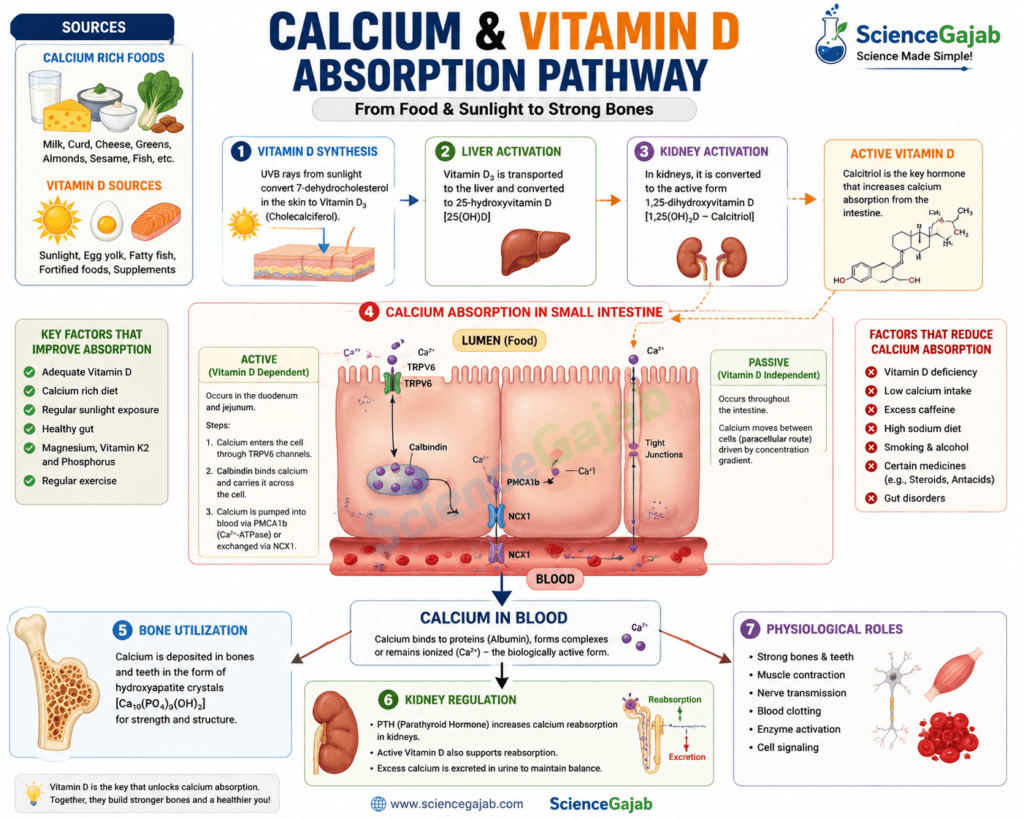
Foods That Improve Calcium Absorption
Certain nutrients and habits support calcium absorption:
Vitamin D-Rich Foods
- Fatty fish
- Egg yolks
- Fortified dairy
- Fortified plant-based milk
Regular Physical Activity
Weight-bearing exercise supports healthy bones alongside adequate calcium intake.
Foods That May Reduce Calcium Absorption
Some dietary factors can reduce calcium absorption when consumed in large amounts:
- Excess sodium
- Excess caffeine
- Very high phosphorus intake (from some processed foods)
- Large amounts of oxalates (for example, spinach) and phytates (found in some grains and legumes)
These foods can still be part of a healthy diet; overall dietary balance is what matters.
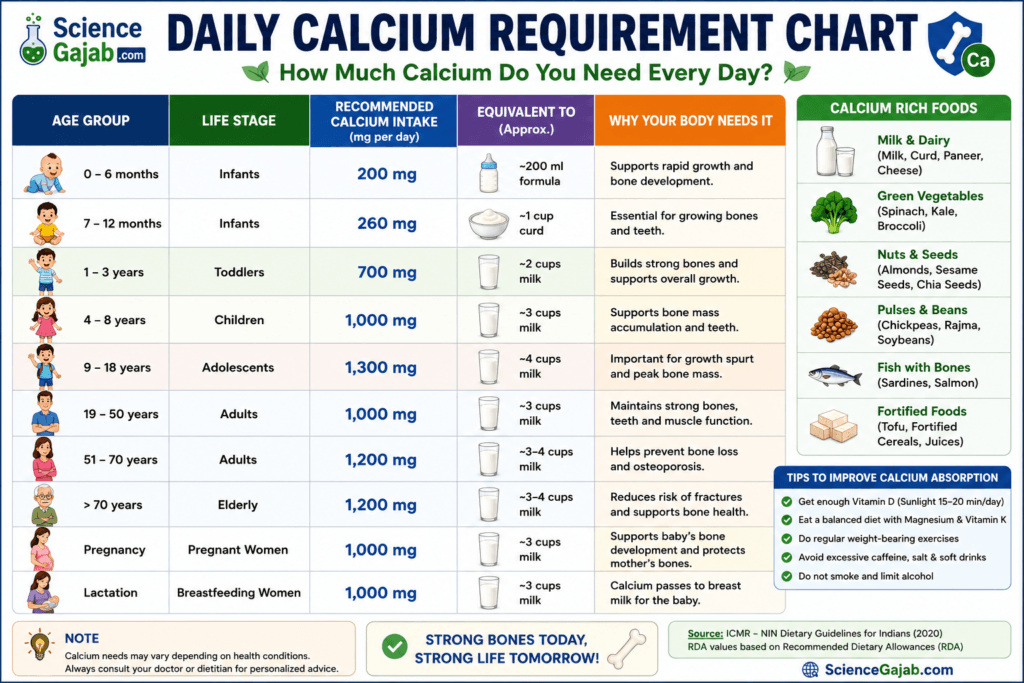
Daily Calcium Requirements
| Age Group | Recommended Intake |
|---|---|
| Adults (19–50 years) | 1,000 mg/day |
| Women over 50 | 1,200 mg/day |
| Men over 70 | 1,200 mg/day |
| Teenagers (9–18 years) | 1,300 mg/day |
| Pregnant and breastfeeding adults | Usually around 1,000 mg/day (requirements vary by age) |
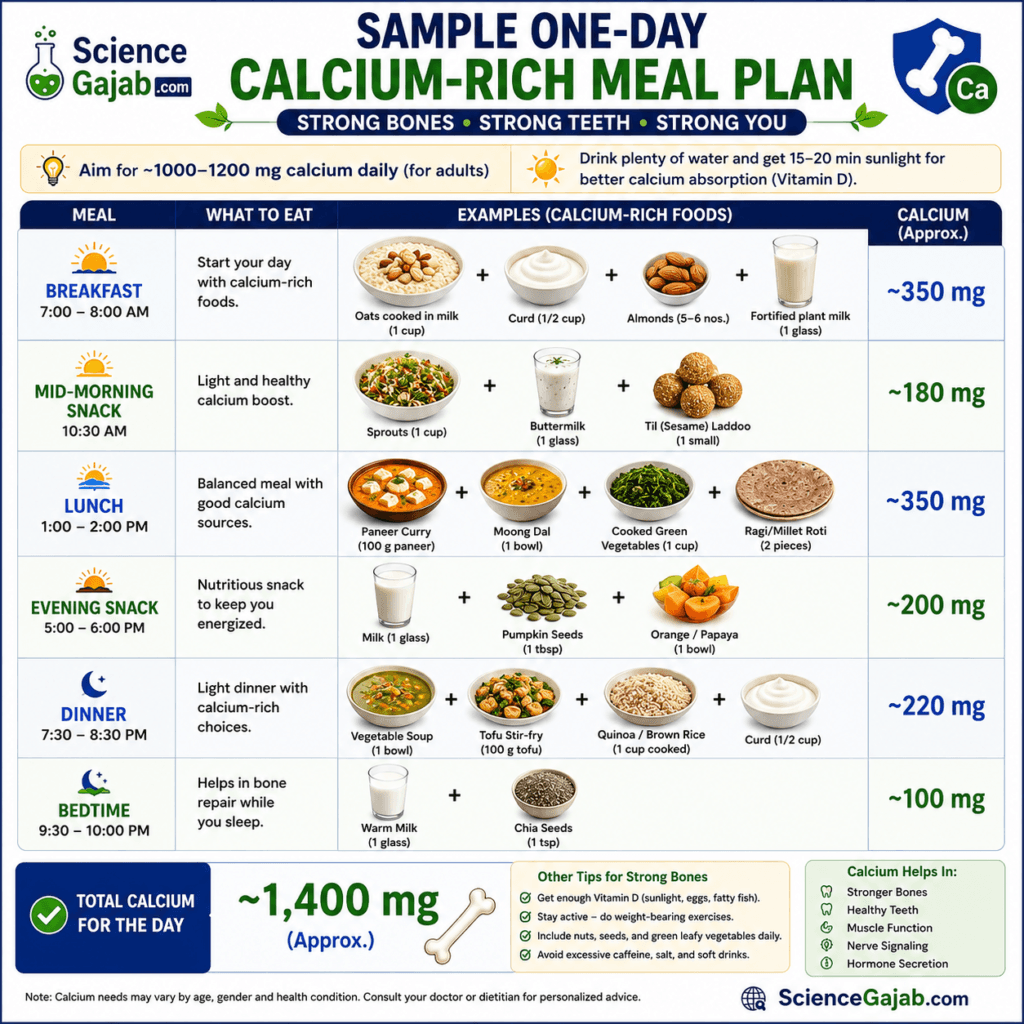
Sample One-Day Calcium-Rich Meal Plan
Breakfast
- Oatmeal made with milk
- Yogurt
- Almonds
Mid-Morning Snack
- Fortified soy milk
- Dried figs
Lunch
- Brown rice
- Tofu and broccoli stir-fry
- Mixed green salad
Evening Snack
- Yogurt
- Sesame seed crackers
Dinner
- Grilled salmon (or calcium-set tofu)
- Kale salad
- Whole-grain chapati
Can You Get Too Much Calcium?
Yes.
Excessive calcium supplementation may increase the risk of:
- Constipation
- Kidney stones in susceptible individuals
- Interference with the absorption of certain minerals and medications
Avoid taking more than recommended unless advised by your healthcare provider.
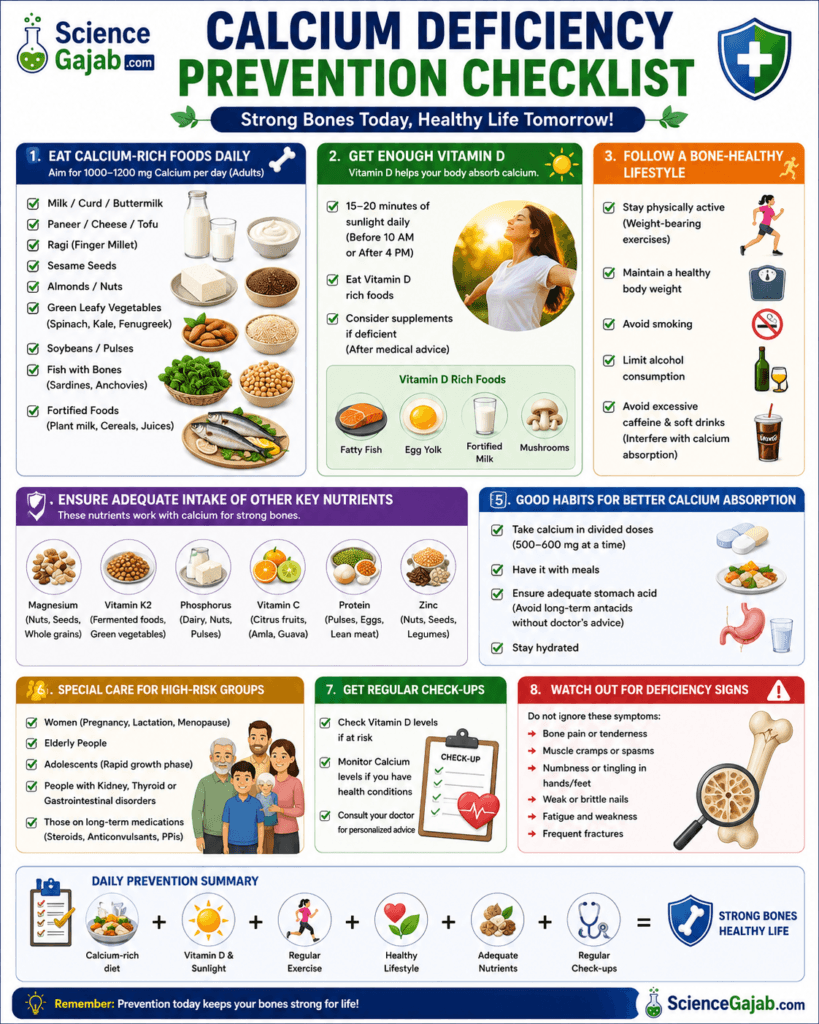
Prevention Tips
To help maintain healthy calcium levels:
1✔ Eat calcium-rich foods every day.
2✔ Get enough vitamin D through safe sun exposure, diet, or supplements if recommended.
3✔ Stay physically active with weight-bearing exercise.
4✔ Avoid smoking.
5✔ Limit excessive alcohol intake.
6✔ Attend regular health check-ups if you have osteoporosis risk factors.
Doctor’s Advice
Do not ignore persistent muscle cramps, tingling, or numbness. Although calcium deficiency is one possible cause, these symptoms can also result from magnesium deficiency, nerve disorders, thyroid disease, or medication side effects. Proper diagnosis requires medical evaluation and blood tests.
Frequently Asked Questions (FAQs)
1. What is the first symptom of calcium deficiency?
Early calcium deficiency often causes:
- Muscle cramps
- Tingling in the fingers or around the mouth
- Numbness
- Muscle twitching
- Fatigue
Some people may have no symptoms until calcium levels become significantly low.
2. What foods are highest in calcium?
Some of the richest dietary sources include:
- Parmesan cheese
- Sesame seeds
- Chia seeds
- Sardines (with bones)
- Tofu (calcium-set)
- Milk
- Yogurt
- Kale
- Almonds
- Fortified plant-based milk
A varied diet usually provides calcium more effectively than relying on a single food.
3. Can calcium deficiency cause muscle cramps?
Yes. Muscle cramps are one of the most common symptoms of hypocalcemia because calcium is essential for normal muscle contraction and relaxation.
Persistent cramps should be medically evaluated because magnesium deficiency, dehydration, and nerve disorders can also cause similar symptoms.
4. Can calcium deficiency cause tingling or numbness?
Yes. Low blood calcium may affect nerve function and cause:
- Tingling around the mouth
- Numb fingers
- Tingling in the hands
- Tingling in the feet
Severe symptoms require urgent medical attention.
5. Can low calcium cause osteoporosis?
Long-term inadequate calcium intake may contribute to weaker bones. However, osteoporosis usually develops because of multiple factors, including aging, menopause, low vitamin D, lack of physical activity, smoking, certain medications, and genetics—not calcium deficiency alone.
6. Does vitamin D help calcium absorption?
Yes.
Vitamin D is essential because it helps the intestines absorb calcium efficiently. Without enough vitamin D, calcium absorption decreases, even if dietary calcium intake is adequate.
7. Can vegetarians get enough calcium?
Yes.
Good vegetarian sources include:
- Tofu (calcium-set)
- Fortified soy milk
- Yogurt (if consumed)
- Kale
- Broccoli
- Sesame seeds
- Almonds
- White beans
A balanced vegetarian diet can meet calcium needs.
8. Is milk the best calcium source?
Milk is an excellent source, but it is not the only one.
Other high-calcium foods include:
- Cheese
- Yogurt
- Sardines
- Tofu
- Sesame seeds
- Kale
- Fortified plant-based beverages
9. How is calcium deficiency diagnosed?
Healthcare professionals may recommend:
- Serum calcium
- Ionized calcium
- Vitamin D level
- Parathyroid hormone (PTH)
- Magnesium level
- Kidney function tests
Additional tests such as a bone density scan may be appropriate if osteoporosis is suspected.
10. Can calcium deficiency be cured?
In many cases, yes.
Treatment usually includes improving calcium intake, correcting vitamin D deficiency if present, treating the underlying cause, and using supplements when prescribed by a healthcare professional.
Key Takeaways
1✔ Calcium is essential for healthy bones, muscles, nerves, heart rhythm, and blood clotting.
2✔ Early symptoms include muscle cramps, tingling, numbness, muscle twitching, and fatigue.
3✔ Severe calcium deficiency can lead to tetany, seizures, abnormal heart rhythms, and fractures.
4✔ Vitamin D is necessary for proper calcium absorption.
5✔ Calcium deficiency should be confirmed with blood tests rather than symptoms alone.
6✔ A balanced diet, regular exercise, and adequate vitamin D help maintain healthy bones throughout life.
What are the 7 steps of hand hygiene?
References
This article with current information from authoritative organizations, such as:
- World Health Organization (WHO)
- National Institutes of Health (NIH) Office of Dietary Supplements
- National Health Service (NHS)
- International Osteoporosis Foundation (IOF)
Review these resources periodically to ensure your content remains accurate and up to date.
Medical Disclaimer
This article is intended for educational purposes only and should not replace professional medical advice, diagnosis, or treatment. If you have symptoms of calcium deficiency or concerns about your health, consult a qualified healthcare professional. Never begin or stop supplements without medical advice.
“Could You Be Low in Calcium?” Checklist
Add a quick self-check box:
- Do you have frequent muscle cramps?
- Do you feel tingling in your hands or around your mouth?
- Have you had repeated fractures or weak bones?
- Do you avoid dairy without alternative calcium sources?
- Have you been diagnosed with vitamin D deficiency?
If several answers are “yes,” encourage readers to seek medical evaluation rather than self-diagnosing.
Myth vs Fact
| Myth | Fact |
|---|---|
| Only older adults need calcium. | Calcium is important at every stage of life for bone, muscle, and nerve health. |
| Drinking milk alone prevents osteoporosis. | Bone health also depends on vitamin D, exercise, protein intake, hormones, and lifestyle. |
| Calcium supplements are always better than food. | Food is generally the preferred source of calcium; supplements are used when medically indicated. |
| Muscle cramps always mean low calcium. | Muscle cramps have many possible causes, including dehydration, magnesium deficiency, and overuse. |
Comparison Table
| Feature | Calcium Deficiency | Vitamin D Deficiency | Magnesium Deficiency |
|---|---|---|---|
| Muscle cramps | ✔ Common | Sometimes | ✔ Common |
| Tingling/numbness | ✔ | Less common | ✔ |
| Bone pain | Sometimes | ✔ Common | Less common |
| Osteoporosis risk | ✔ | ✔ | Indirect |
| Muscle spasms (tetany) | ✔ Severe cases | Rare | Possible |
| Low blood calcium | ✔ | May occur secondarily | Usually not |