
folate deficiency symptoms
15 Folate Deficiency Symptoms You Should Never Ignore (Vitamin B9 Deficiency)
Reviewed by: ScienceGajab Medical Content Team
Reading Time: 12 Minutes
Last Updated: July 2026
Quick Answer
Folate deficiency occurs when your body does not have enough folate (vitamin B9), a nutrient essential for DNA production, red blood cell formation, cell growth, and healthy fetal development during pregnancy. Early symptoms include fatigue, weakness, pale skin, mouth ulcers, swollen tongue, dizziness, poor concentration, and shortness of breath. If left untreated, folate deficiency can lead to megaloblastic anemia, pregnancy complications, and neurological symptoms.
Fortunately, most cases improve with folate-rich foods, folic acid supplements (when recommended), and treatment of the underlying cause.
Table of Contents
- What Is Folate?
- Why Is Folate Important?
- Who Is at Risk?
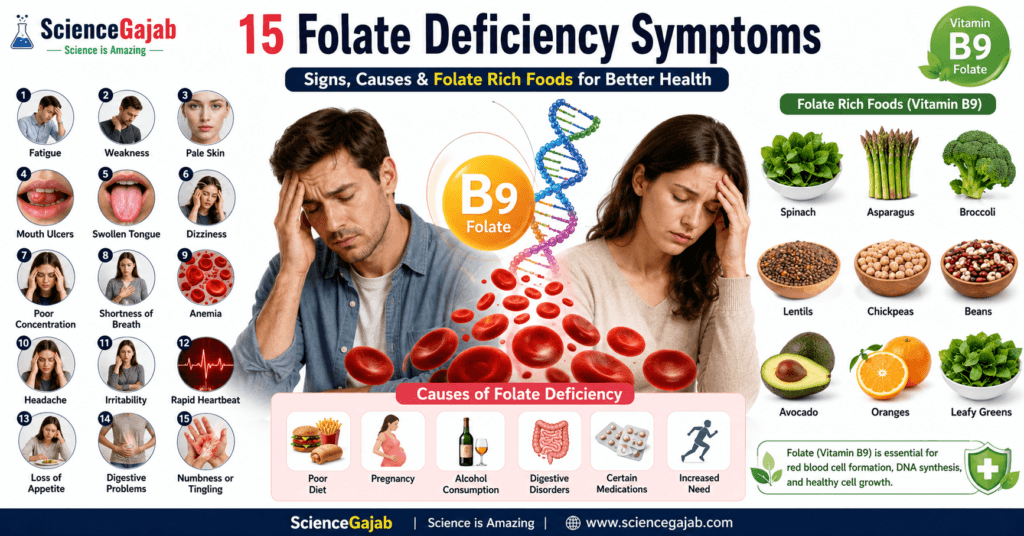
- 15 Folate Deficiency Symptoms
- Causes
- Risk Factors
- Diagnosis
- Treatment
- Best Folate-Rich Foods
- Prevention
- FAQs
- Key Takeaways
🚨 Early Signs of Vitamin B12 Deficiency — Don’t Ignore These Warning Signals!
What Is Folate?
Folate, also known as vitamin B9, is a water-soluble vitamin that plays a crucial role in many body functions. The natural form found in foods is called folate, while the synthetic form used in supplements and fortified foods is known as folic acid.
Because the body stores only limited amounts of folate, a regular dietary intake is essential to maintain healthy levels.
Folate is especially important during periods of rapid growth, including:
- Pregnancy
- Infancy
- Childhood
- Adolescence
It is also essential for maintaining healthy blood cells throughout life.
Why Is Folate Important?
Folate is involved in several vital processes in the body.
It helps:
- Produce healthy red blood cells
- Form DNA and RNA
- Support normal cell growth and division
- Maintain brain function
- Support immune health
- Reduce the risk of neural tube defects during pregnancy
- Work with vitamin B12 to support healthy nerve function
Without enough folate, the body cannot produce healthy red blood cells efficiently, which may lead to megaloblastic anemia.
Signs of Anemia: 15 Warning Symptoms You Should Never Ignore
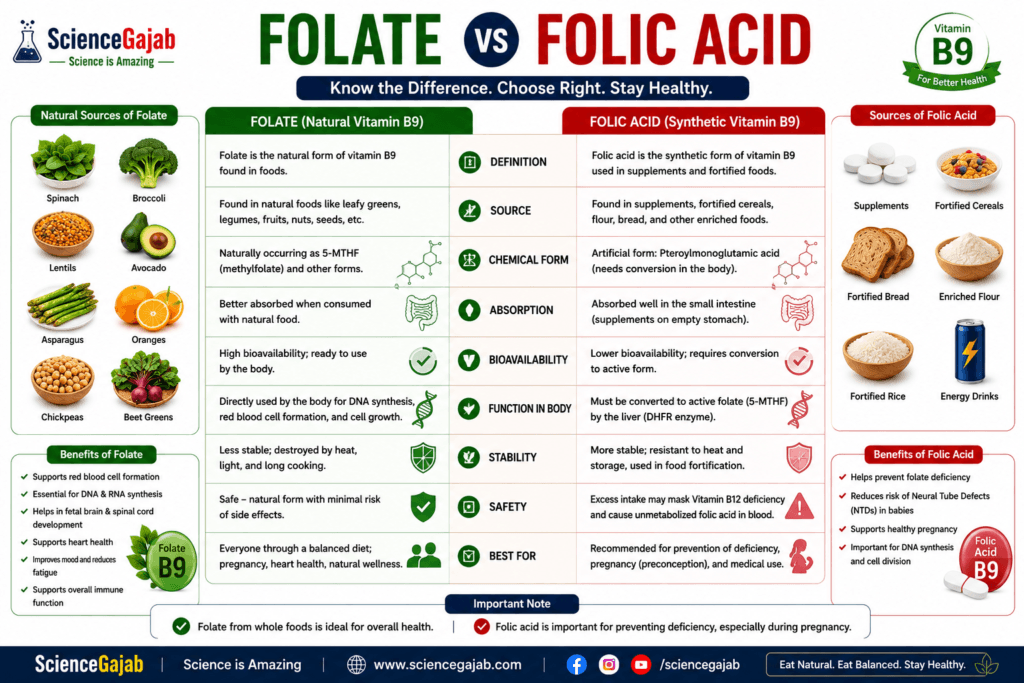
Folate vs Folic Acid
Many people think these terms mean the same thing, but there is a slight difference.
| Folate | Folic Acid |
|---|---|
| Naturally found in foods | Synthetic form used in supplements and fortified foods |
| Found in leafy vegetables, beans, citrus fruits | Found in tablets and fortified cereals |
| Less stable during cooking | More stable during storage |
Both help the body meet its vitamin B9 needs.
15 Vitamin A Deficiency Symptoms You Should Never Ignore (Early Warning Signs)
Who Is Most at Risk?
Anyone can develop folate deficiency, but it is more common in:
- Pregnant women
- Breastfeeding mothers
- Older adults
- People with poor diets
- Individuals with alcohol use disorder
- People with digestive disorders such as celiac disease or Crohn’s disease
- Those taking certain medications (such as some anti-seizure medicines or methotrexate)
- People undergoing dialysis
15 Vitamin E Deficiency Symptoms You Should Never Ignore (Early Warning Signs)
Early Folate Deficiency Symptoms
Symptoms often develop gradually and may be mistaken for stress, lack of sleep, or iron deficiency.
1. Persistent Fatigue
Fatigue is one of the earliest and most common symptoms.
Because folate is essential for red blood cell production, deficiency can reduce oxygen delivery throughout the body.
People often notice:
- Feeling tired all day
- Lack of energy
- Difficulty completing daily activities
- Needing frequent rest
2. Weakness
Reduced oxygen transport may lead to:
- Muscle weakness
- Reduced exercise capacity
- Difficulty climbing stairs
- Feeling physically exhausted
3. Pale Skin
Healthy red blood cells give skin its normal color.
Folate deficiency may cause:
- Pale face
- Pale lips
- Pale gums
- Pale nail beds
This symptom is especially noticeable in people with anemia.
Why Do Lips Become Pale? (Simple Explanation You Can Trust)
4. Shortness of Breath
As anemia develops, the body receives less oxygen.
People may experience:
- Breathlessness during walking
- Difficulty climbing stairs
- Reduced exercise tolerance
- Fast breathing
What Causes Phantom Smells? Understanding Phantosmia and Why You Smell Things That Aren’t There
5. Dizziness
Reduced oxygen delivery to the brain may cause:
- Lightheadedness
- Feeling faint
- Poor balance
- Difficulty standing up quickly
Symptoms of Low Vitamins in Women (Early Signs You Should Never Ignore)
Did You Know?
Your body stores only enough folate for about 3–4 months. If your diet remains low in folate during this time, deficiency symptoms may begin to appear.
Doctor’s Tip
Fatigue, pale skin, and dizziness are not unique to folate deficiency. Iron deficiency, vitamin B12 deficiency, thyroid disorders, and chronic illnesses can cause similar symptoms. Blood tests are often needed to identify the exact cause.
Is It Safe to Eat Papaya While Pregnant?
6. Poor Concentration (Brain Fog)
One of the less obvious symptoms of folate deficiency is difficulty thinking clearly. Since folate is involved in DNA synthesis and nervous system function, low levels may affect mental performance.
People may experience:
- Difficulty concentrating
- Forgetfulness
- Slower thinking
- Trouble focusing at work or school
- Mental fatigue
These symptoms can overlap with vitamin B12 deficiency and other medical conditions, so proper diagnosis is important.
7. Irritability and Mood Changes
Folate contributes to the production of neurotransmitters that regulate mood. A deficiency may lead to:
- Irritability
- Low mood
- Increased anxiety
- Lack of motivation
Mood changes have many possible causes, so they should not be used alone to diagnose folate deficiency.
8. Mouth Ulcers
Painful sores inside the mouth are a common symptom.
These ulcers may appear:
- On the tongue
- Inside the cheeks
- On the lips
- Along the gums
Eating spicy or acidic foods may become uncomfortable.
Cracks at Mouth Corners: Causes, Symptoms & Treatment Explained Simply
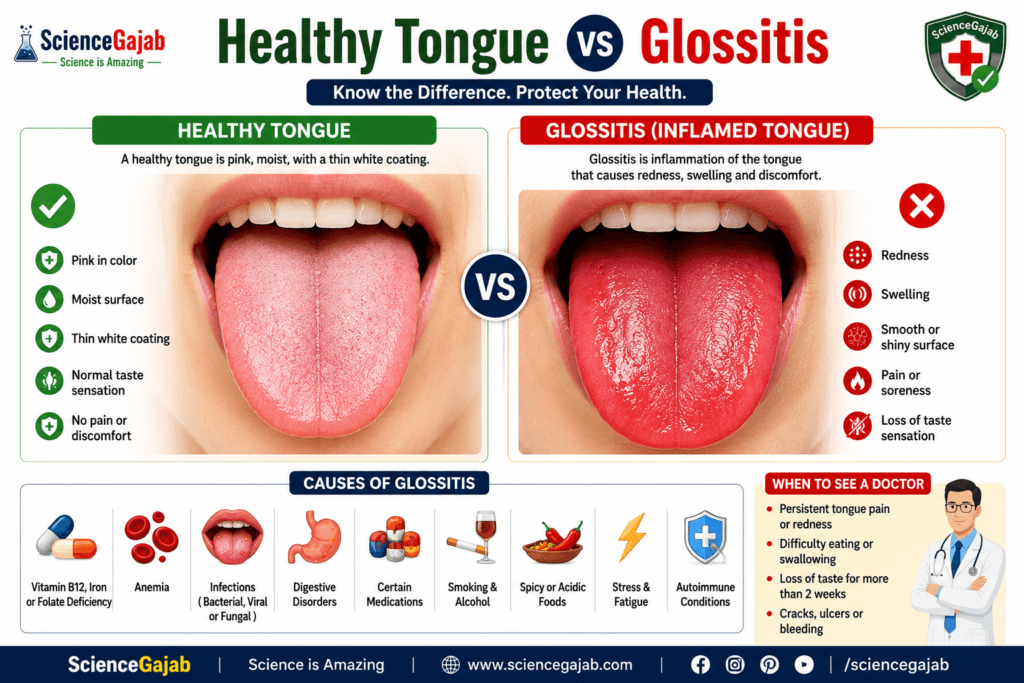
9. Swollen, Smooth Tongue (Glossitis)
Vitamin B9 deficiency can cause inflammation of the tongue.
Symptoms include:
- Red tongue
- Smooth surface
- Burning sensation
- Pain while eating
- Difficulty swallowing
10. Loss of Appetite
Many people notice a reduced desire to eat, which can further worsen nutritional deficiencies if it persists.
11. Weight Loss
Unintentional weight loss may occur because of:
- Poor appetite
- Mouth ulcers
- Reduced food intake
- Chronic illness causing folate deficiency
Persistent unexplained weight loss should always be evaluated by a healthcare professional.
12. Frequent Infections
Folate is necessary for the production of healthy blood cells, including some immune cells.
Low folate levels may contribute to:
- Recurrent infections
- Frequent colds
- Slow recovery from illness
Infection Causing Foot Swelling
13. Tingling in Hands and Feet
Although tingling is more commonly associated with vitamin B12 deficiency, some people with folate deficiency may also report abnormal sensations.
Because the symptoms overlap, doctors often check both vitamin B12 and folate levels before starting treatment.
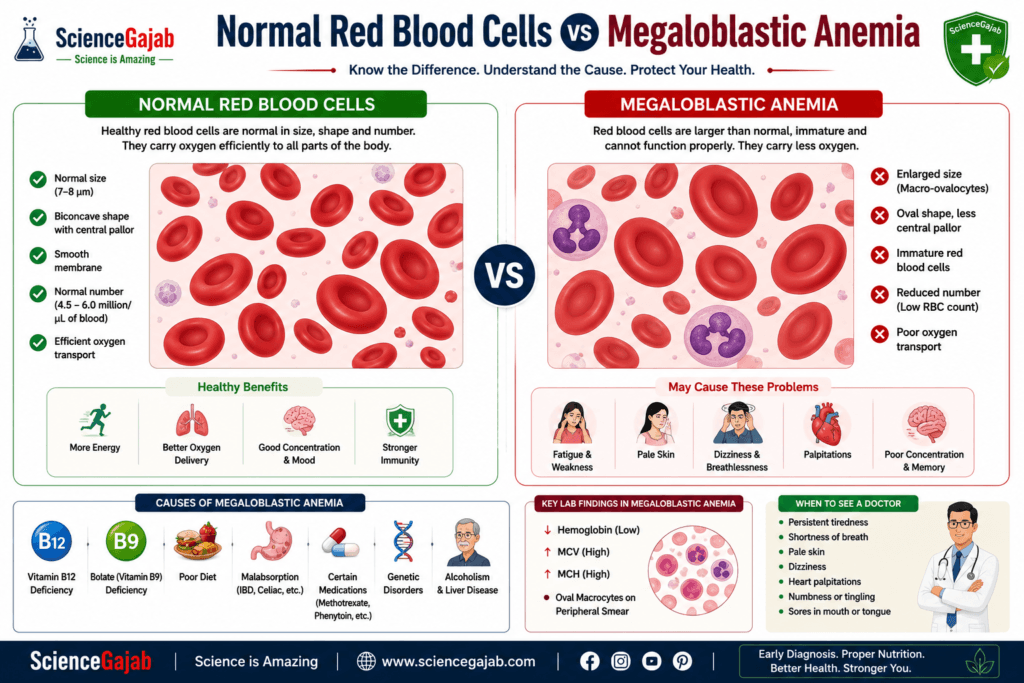
14. Megaloblastic Anemia
One of the most important complications of folate deficiency is megaloblastic anemia.
In this condition:
- Red blood cells become unusually large.
- The cells do not function efficiently.
- Oxygen delivery throughout the body decreases.
Common symptoms include:
- Severe fatigue
- Pale skin
- Shortness of breath
- Dizziness
- Weakness
15. Pregnancy Complications
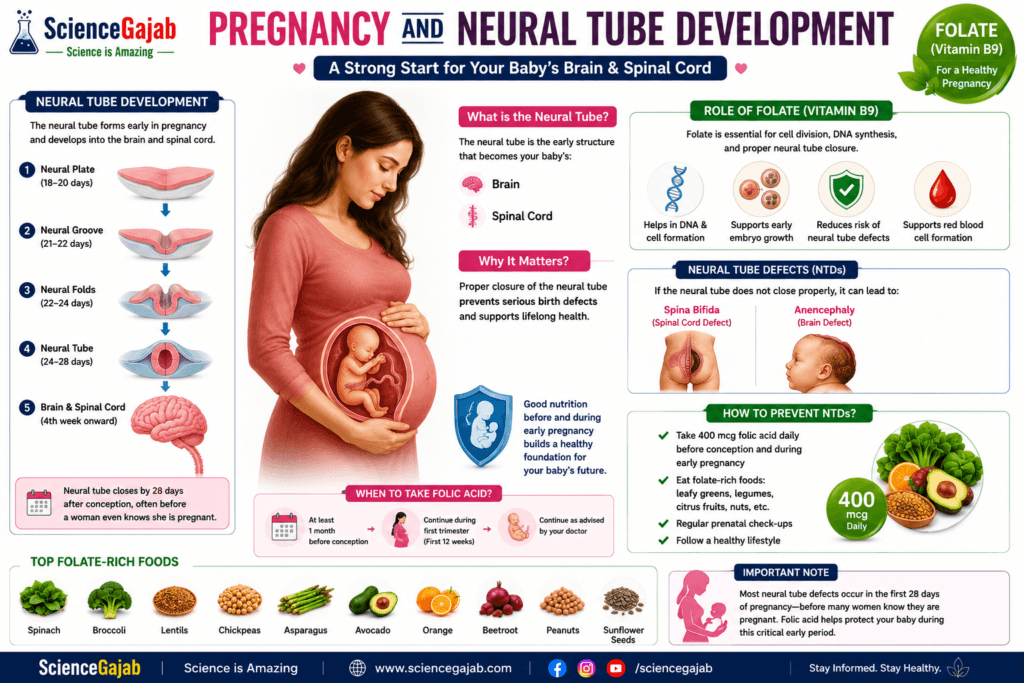
Folate is essential during pregnancy because it helps the baby’s brain and spinal cord develop normally.
Severe folate deficiency during early pregnancy may increase the risk of neural tube defects, such as spina bifida. This is why folic acid supplementation is commonly recommended before conception and during early pregnancy according to medical guidelines.
Common Causes of Folate Deficiency
1. Poor Diet
The most common cause is inadequate intake of folate-rich foods.
People who rarely eat:
- Green leafy vegetables
- Beans
- Lentils
- Citrus fruits
- Avocados
may have a higher risk.
2. Alcohol Use Disorder
Heavy alcohol consumption can:
- Reduce folate absorption
- Increase folate loss
- Contribute to poor nutrition
Signs of Anemia: 15 Warning Symptoms You Should Never Ignore
3. Digestive Disorders
Certain conditions reduce nutrient absorption.
Examples include:
- Celiac disease
- Crohn’s disease
- Inflammatory bowel disease
- Short bowel syndrome
Chickenpox Symptoms: Early Signs, Stages, Causes, Treatment & When to See a Doctor
4. Pregnancy
Pregnancy increases the body’s need for folate because rapidly dividing fetal cells require it for healthy growth.
5. Certain Medications
Some medicines may interfere with folate metabolism, including certain anti-seizure medications and methotrexate. Do not stop prescribed medications without consulting your healthcare provider.
Why Do Fingers Wrinkle in Water?
6. Dialysis
People receiving kidney dialysis may lose water-soluble vitamins, including folate.
Risk Factors
People at increased risk include:
- Pregnant women
- Breastfeeding mothers
- Older adults
- People with digestive diseases
- Individuals with alcohol use disorder
- People with poor diets
- Patients taking certain medications
- Individuals undergoing dialysis
Folate Deficiency vs Vitamin B12 Deficiency
| Folate Deficiency | Vitamin B12 Deficiency |
|---|---|
| Causes megaloblastic anemia | Causes megaloblastic anemia |
| Mouth ulcers are common | Mouth ulcers may occur |
| Glossitis is common | Glossitis is common |
| Pregnancy complications | Neurological complications are more prominent |
| Usually improves with folate replacement | Requires vitamin B12 replacement |
Important: Because vitamin B12 deficiency can also affect the nervous system, healthcare professionals often check vitamin B12 levels before treating folate deficiency.
How Is Folate Deficiency Diagnosed?
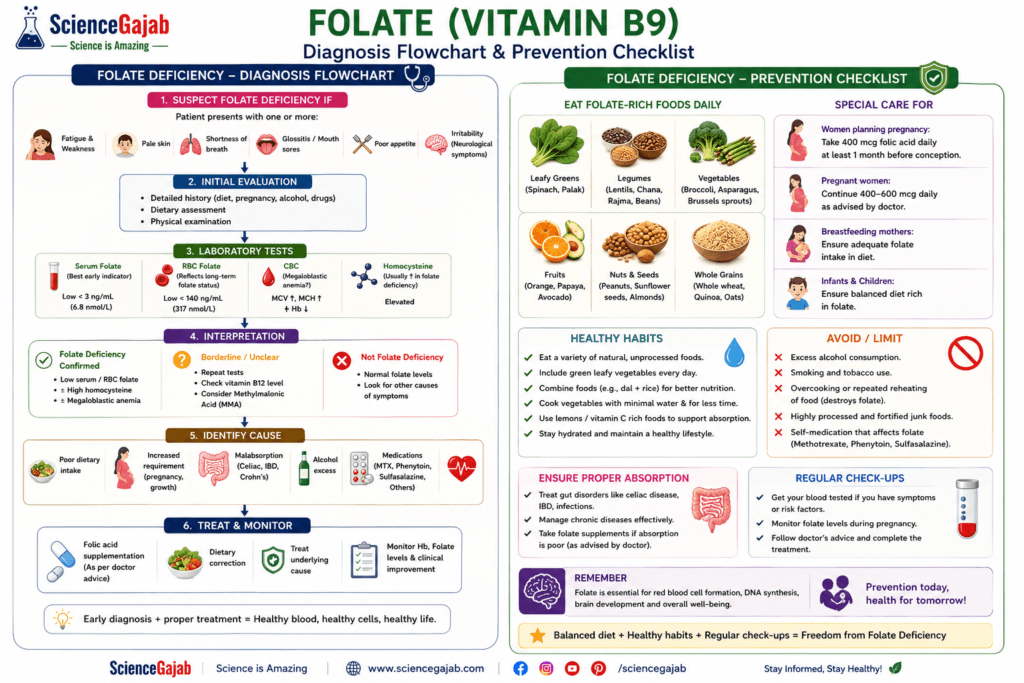
A healthcare professional may recommend:
Medical History
Questions about:
- Diet
- Pregnancy
- Alcohol intake
- Medications
- Digestive symptoms
- Family history
Physical Examination
The doctor may check for:
- Pale skin
- Mouth ulcers
- Swollen tongue
- Signs of anemia
- General nutritional status
Blood Tests
Common investigations include:
- Complete Blood Count (CBC)
- Serum folate level
- Vitamin B12 level
- Red blood cell folate (in selected situations)
- Iron studies, if anemia is suspected
Further testing may be recommended to identify the underlying cause of folate deficiency.
Possible Complications
If left untreated, folate deficiency may lead to:
- Megaloblastic anemia
- Severe fatigue
- Pregnancy complications
- Reduced quality of life
- Persistent mouth ulcers
- Weakened immunity
Early diagnosis and appropriate treatment usually lead to a good recovery.
Can Folate Deficiency Be Treated?
Yes. Folate deficiency is usually completely treatable when diagnosed early. Most people begin to feel better within a few weeks after improving their diet or taking folic acid supplements as recommended by a healthcare professional.
Treatment depends on:
- The severity of the deficiency
- The underlying cause
- Pregnancy status
- Presence of anemia
- Vitamin B12 levels
Important: Vitamin B12 deficiency should be ruled out before treating folate deficiency with folic acid alone, because folic acid can improve anemia while allowing vitamin B12-related nerve damage to continue unnoticed.
Treatment Options
1. Eat More Folate-Rich Foods
For mild deficiency, increasing dietary folate is often the first step.
Excellent sources include:
- Spinach
- Lentils
- Chickpeas
- Asparagus
- Broccoli
- Avocados
- Oranges
- Black-eyed peas
2. Folic Acid Supplements
A healthcare professional may prescribe folic acid supplements if dietary intake alone is insufficient or if the deficiency is significant.
Always take supplements as directed. Self-treating without confirming the diagnosis is not recommended.
3. Treat the Underlying Cause
Long-term improvement depends on addressing the reason for the deficiency.
Examples include:
- Improving nutrition
- Managing digestive disorders
- Reducing excessive alcohol intake
- Reviewing medications with a healthcare professional
what happens after blood transfusion
25 Best Folate-Rich Foods
Green Leafy Vegetables
| Food | Folate (Approx. mcg/100 g) |
|---|---|
| Spinach | 194 |
| Amaranth leaves | 114 |
| Mustard greens | 127 |
| Kale | 141 |
| Lettuce | 136 |
Legumes
| Food | Folate (Approx. mcg/100 g) |
|---|---|
| Lentils | 181 |
| Chickpeas | 172 |
| Kidney beans | 130 |
| Black beans | 149 |
| Black-eyed peas | 208 |
Vegetables
| Food | Folate (Approx. mcg/100 g) |
|---|---|
| Asparagus | 149 |
| Broccoli | 63 |
| Brussels sprouts | 61 |
| Beetroot | 109 |
| Okra | 60 |
Fruits
| Food | Folate (Approx. mcg/100 g) |
|---|---|
| Avocado | 81 |
| Orange | 30 |
| Papaya | 37 |
| Mango | 43 |
| Guava | 49 |
Nuts & Seeds
- Sunflower seeds
- Peanuts
- Sesame seeds
- Almonds
- Flaxseeds
These foods provide smaller amounts of folate along with healthy fats, fiber, and other nutrients.
Fortified Foods
Many countries fortify foods with folic acid, such as:
- Breakfast cereals
- Wheat flour (in some regions)
- Bread
- Pasta
Check food labels because fortification varies by country.
Top 25 Foods Rich in Folate
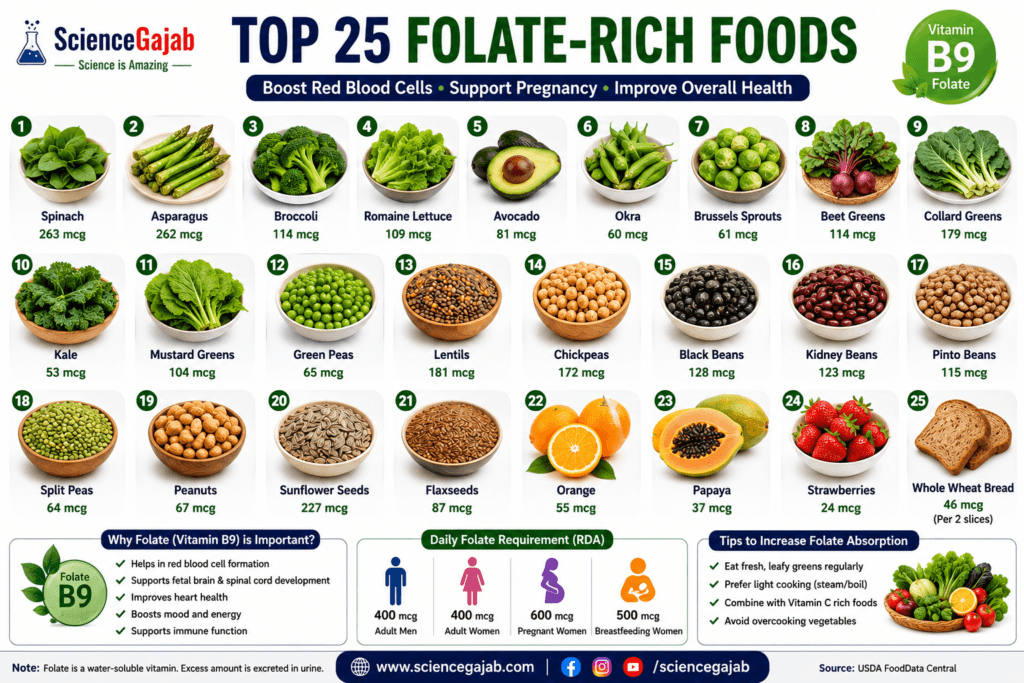
- Spinach
- Lentils
- Black-eyed peas
- Chickpeas
- Asparagus
- Kidney beans
- Black beans
- Kale
- Mustard greens
- Lettuce
- Broccoli
- Brussels sprouts
- Beetroot
- Okra
- Avocado
- Orange
- Guava
- Papaya
- Mango
- Sunflower seeds
- Peanuts
- Sesame seeds
- Almonds
- Fortified cereals
- Fortified bread
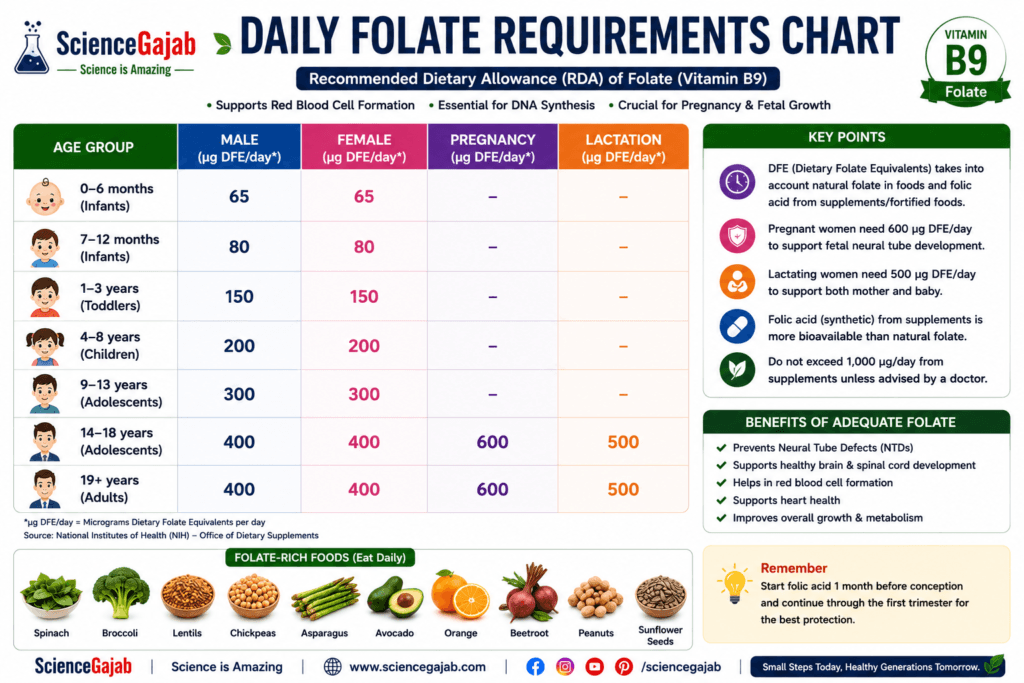
Daily Folate Requirements
| Group | Recommended Intake |
|---|---|
| Adult Men | 400 mcg DFE* |
| Adult Women | 400 mcg DFE |
| Pregnant Women | 600 mcg DFE |
| Breastfeeding Women | 500 mcg DFE |
DFE = Dietary Folate Equivalents
Why Folate Is Important During Pregnancy
Folate plays a vital role in the early development of the baby’s brain and spinal cord.
Adequate intake before conception and during early pregnancy helps reduce the risk of neural tube defects, such as spina bifida.
People planning a pregnancy should follow their healthcare provider’s advice regarding folic acid supplementation.
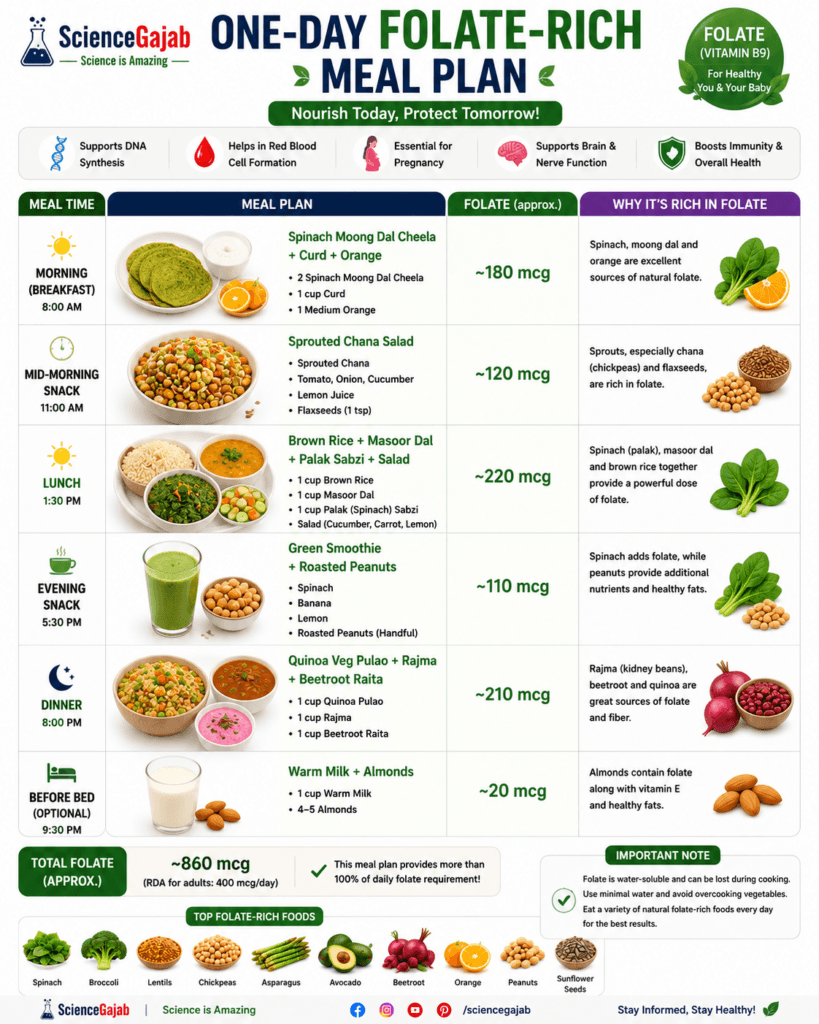
Sample One-Day Folate-Rich Meal Plan
Breakfast
- Fortified cereal
- Orange
- Glass of milk
Mid-Morning Snack
- Guava
- Handful of peanuts
Lunch
- Lentil dal
- Brown rice
- Spinach sabzi
- Mixed salad
Evening Snack
- Roasted chickpeas
- Papaya
Dinner
- Whole wheat chapati
- Broccoli and vegetable curry
- Avocado salad
Can You Get Too Much Folic Acid?
Natural folate from foods is considered safe.
High intakes of folic acid supplements may not be appropriate for everyone and can mask vitamin B12 deficiency. Always follow medical advice regarding supplementation.
Prevention Tips
You can reduce the risk of folate deficiency by:
- Eating leafy green vegetables every day.
- Including beans and lentils regularly.
- Eating citrus fruits and avocados.
- Limiting excessive alcohol intake.
- Managing digestive disorders with appropriate medical care.
- Taking folic acid supplements before and during early pregnancy if advised by your healthcare provider.
Doctor’s Advice
Persistent fatigue, mouth ulcers, or pale skin should not be ignored. These symptoms can result from folate deficiency, vitamin B12 deficiency, iron deficiency, or other medical conditions. A healthcare professional can identify the underlying cause through appropriate blood tests.
Frequently Asked Questions (FAQs)
1. What is the first sign of folate deficiency?
The earliest symptoms often include:
- Persistent fatigue
- Weakness
- Pale skin
- Dizziness
- Difficulty concentrating
Because these symptoms are common to several conditions, laboratory testing is usually needed to confirm folate deficiency.
2. What foods are highest in folate?
Some of the best natural sources include:
- Spinach
- Lentils
- Chickpeas
- Black-eyed peas
- Asparagus
- Broccoli
- Avocado
- Oranges
- Guava
- Fortified breakfast cereals
Including a variety of these foods in your diet can help maintain healthy folate levels.
3. Can folate deficiency cause anemia?
Yes. Folate deficiency can cause megaloblastic anemia, a condition in which the body produces unusually large, immature red blood cells that do not function efficiently.
Symptoms may include:
- Fatigue
- Pale skin
- Shortness of breath
- Dizziness
- Weakness
4. Is folate the same as folic acid?
Not exactly.
- Folate is the natural form of vitamin B9 found in foods.
- Folic acid is the synthetic form used in supplements and fortified foods.
Both help meet the body’s vitamin B9 needs.
5. Can folate deficiency affect pregnancy?
Yes.
Adequate folate before conception and during early pregnancy is important because it helps reduce the risk of neural tube defects, including spina bifida, in the developing baby.
Follow your healthcare provider’s advice regarding folic acid supplementation before and during pregnancy.
6. Can vegetarians get enough folate?
Yes.
Many vegetarian foods are naturally rich in folate, including:
- Lentils
- Beans
- Spinach
- Broccoli
- Avocados
- Citrus fruits
- Asparagus
A varied vegetarian diet can usually provide enough folate.
Reproductive Health Class 12 Notes (Menstrual Cycle, Fertilization, Contraception, STDs)
7. Can folate deficiency cause mouth ulcers?
Yes.
Painful mouth ulcers and a swollen, smooth tongue (glossitis) are common symptoms of folate deficiency.
However, mouth ulcers can also occur due to vitamin B12 deficiency, iron deficiency, infections, or other medical conditions.
8. Can folate deficiency cause hair loss?
Hair loss is not a classic symptom, but poor nutrition and deficiencies of several vitamins and minerals—including folate—may contribute to hair problems in some people.
9. How is folate deficiency diagnosed?
Healthcare professionals may recommend:
- Complete Blood Count (CBC)
- Serum folate
- Vitamin B12 level
- Iron studies (when appropriate)
Further tests may be needed to determine the underlying cause.
Why Does Dandruff Occur? Causes, Symptoms, Treatment & Prevention
10. Can folate deficiency be cured?
In most cases, yes.
When identified early, folate deficiency usually responds well to dietary improvements, folic acid supplements when indicated, and treatment of the underlying cause.
Key Takeaways
1✔ Folate (vitamin B9) is essential for healthy red blood cell production, DNA synthesis, and normal cell growth.
2✔ Early symptoms include fatigue, pale skin, dizziness, mouth ulcers, glossitis, and poor concentration.
3✔ Untreated folate deficiency can lead to megaloblastic anemia and pregnancy complications.
4✔ Natural folate is abundant in leafy green vegetables, legumes, citrus fruits, and avocados.
5✔ Pregnancy increases folate requirements, making adequate intake especially important.
6✔ Persistent symptoms should be evaluated by a healthcare professional rather than self-treated.
References
For your published article, reference current guidance from authoritative organizations, such as:
- World Health Organization (WHO)
- National Institutes of Health (NIH) Office of Dietary Supplements
- National Health Service (NHS)
- American College of Obstetricians and Gynecologists (ACOG) (for pregnancy-related guidance)
Use the latest available recommendations when updating the article.
Medical Disclaimer
This article is intended for educational purposes only and should not replace professional medical advice, diagnosis, or treatment. If you have symptoms of folate deficiency or concerns about your health, consult a qualified healthcare professional. Do not start or stop supplements without medical guidance.
“Could You Be Low in Folate?” Checklist
Include a quick self-check such as:
- Feeling tired most days?
- Frequent mouth ulcers?
- Pale skin?
- Poor concentration?
- Eating few green vegetables?
If readers answer “yes” to several questions, advise them to discuss their symptoms with a healthcare professional.
Myth vs Fact
| Myth | Fact |
|---|---|
| Only pregnant women need folate. | Everyone needs folate for healthy cell growth and blood formation. |
| Folate and folic acid are exactly the same. | Folate is the natural form in foods; folic acid is the synthetic form used in supplements and fortified foods. |
| Folate deficiency always causes symptoms immediately. | Deficiency often develops gradually over several months. |
Comparison Table
Add a section comparing:
| Feature | Folate Deficiency | Iron Deficiency | Vitamin B12 Deficiency |
|---|---|---|---|
| Fatigue | ✔ | ✔ | ✔ |
| Pale skin | ✔ | ✔ | ✔ |
| Mouth ulcers | ✔ | Sometimes | ✔ |
| Glossitis | ✔ | Sometimes | ✔ |
| Tingling in hands/feet | Less common | Rare | More common |
| Megaloblastic anemia | ✔ | ✘ | ✔ |
The Real Reason Your Hair Turns Gray (It’s Not Just Aging)