
Reviewed by: ScienceGajab Medical Content Team
Reading Time: 12–15 Minutes
Last Updated: October 2026
Quick Answer
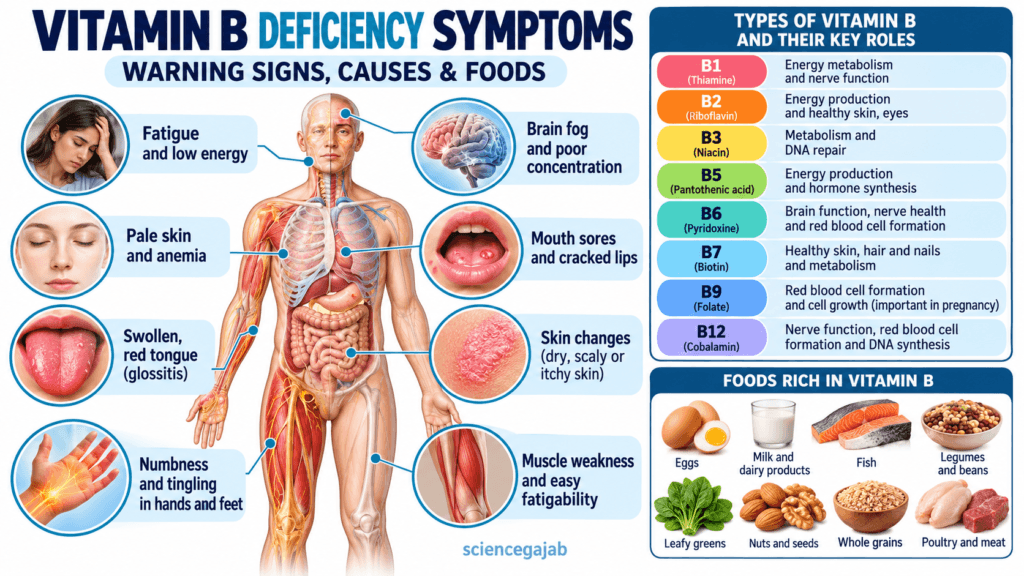
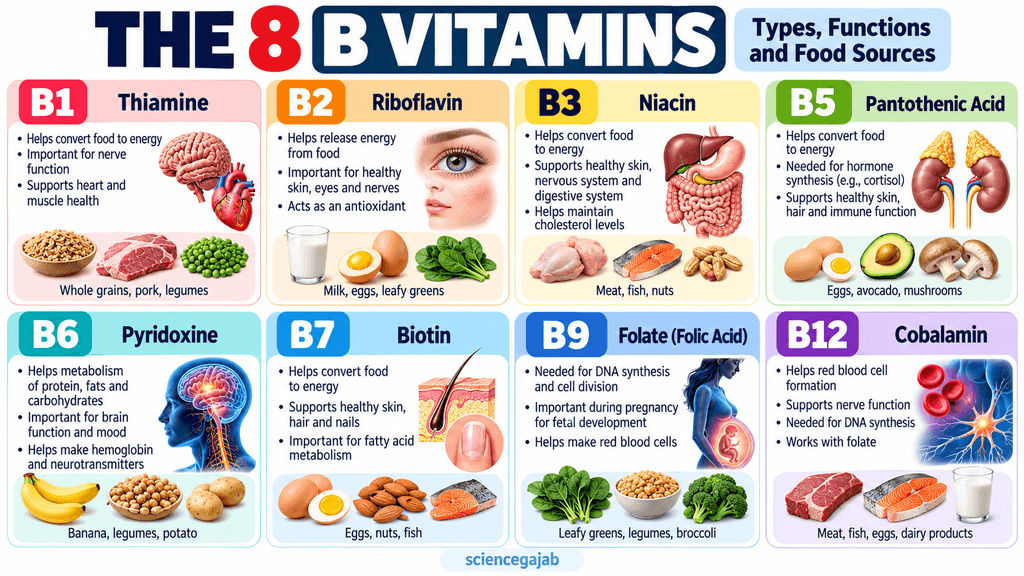
Vitamin B deficiency can cause a wide range of symptoms because the B vitamins are involved in energy metabolism, red blood cell formation, DNA production, nerve function, and other essential processes. The B-complex family includes vitamin B1 (thiamine), B2 (riboflavin), B3 (niacin), B5 (pantothenic acid), B6, B7 (biotin), B9 (folate), and B12 (cobalamin).
Depending on which vitamin is deficient, symptoms may include fatigue, weakness, pale skin, mouth sores, cracks at the corners of the mouth, swollen tongue, numbness, tingling, poor concentration, confusion, skin changes, anemia, and digestive problems.
Vitamin B12 and folate deficiencies are particularly important because prolonged deficiency can affect blood cells and the nervous system.
Important: Vitamin B deficiency symptoms can resemble many other medical conditions. Persistent or severe symptoms should be evaluated by a healthcare professional rather than treated with supplements without a diagnosis.
What Are B Vitamins?
B vitamins are a group of water-soluble vitamins that work together in numerous processes throughout the body.
The eight B vitamins are:
| Vitamin | Name | Important roles |
|---|---|---|
| B1 | Thiamine | Energy metabolism and nerve function |
| B2 | Riboflavin | Energy production and cellular function |
| B3 | Niacin | Energy metabolism and skin/nervous-system function |
| B5 | Pantothenic acid | Coenzyme A production and metabolism |
| B6 | Pyridoxine | Amino-acid metabolism and neurotransmitter production |
| B7 | Biotin | Fat, carbohydrate and protein metabolism |
| B9 | Folate | DNA synthesis and red blood cell formation |
| B12 | Cobalamin | DNA synthesis, red blood cells and nervous-system function |
Although they are grouped together as B vitamins, each has different functions and deficiency symptoms.
15 Vitamin B Deficiency Symptoms
1. Persistent Fatigue
Feeling unusually tired is one of the symptoms commonly associated with certain B-vitamin deficiencies.
Vitamin B12 and folate deficiencies can interfere with normal red blood cell production, potentially resulting in anemia.
A person may experience:
- Persistent tiredness
- Low energy
- Weakness
- Reduced exercise tolerance
- Difficulty concentrating
However, fatigue has many possible causes, including sleep problems, anemia from iron deficiency, thyroid disease, infections and other medical conditions.
15 Vitamin A Deficiency Symptoms You Should Never Ignore (Early Warning Signs)
2. Weakness
Some B-vitamin deficiencies can cause generalized weakness.
Thiamine deficiency, for example, can cause muscle weakness, while anemia associated with folate or vitamin B12 deficiency can contribute to weakness and reduced physical endurance.
If weakness is persistent or progressively worsening, the underlying cause should be investigated.
3. Numbness and Tingling
Numbness or a pins-and-needles sensation may occur with vitamin B12 deficiency because prolonged deficiency can affect the nervous system.
Symptoms may involve:
- Hands
- Feet
- Fingers
- Toes
- Legs
People may describe the sensation as:
- Tingling
- Burning
- Pins and needles
- Reduced sensation
🚨 Early Signs of Vitamin B12 Deficiency — Don’t Ignore These Warning Signals!
Vitamin B12 deficiency is an important nutritional cause to consider, but diabetes, nerve compression and other neurological conditions can produce similar symptoms.
Numb Feet: Common Causes Explained – Symptoms, Warning Signs, and Treatment
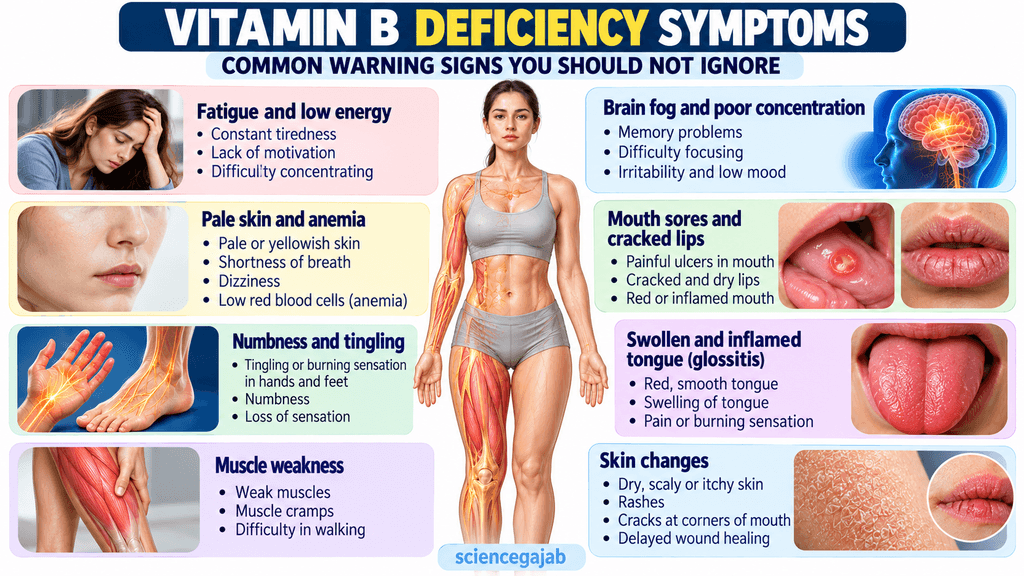
4. Pale Skin
Pale skin can occur when a person develops anemia.
Vitamin B12 and folate are needed for normal red blood cell production. Deficiency can result in megaloblastic anemia.
Possible associated symptoms include:
- Pale skin
- Weakness
- Fatigue
- Shortness of breath during exertion
- Dizziness
- Rapid heartbeat
Paleness alone does not establish a vitamin deficiency.
Signs of Anemia: 15 Warning Symptoms You Should Never Ignore
5. Cracks at the Corners of the Mouth
Cracks or sores at the corners of the mouth are known as angular cheilitis.
They can occur with several nutritional deficiencies, including deficiencies involving B vitamins.
Other possible causes include:
- Irritation
- Fungal infection
- Dry skin
- Denture-related problems
- Other nutritional deficiencies
Persistent or recurrent angular cheilitis should be evaluated rather than automatically attributed to vitamin deficiency.
Cracks at Mouth Corners: Causes, Symptoms & Treatment Explained Simply
6. Swollen or Sore Tongue
A smooth, swollen or painful tongue can occur with certain B-vitamin deficiencies.
A person may notice:
- Tongue soreness
- Burning sensation
- Red or smooth tongue
- Difficulty eating spicy foods
- Changes in taste
Vitamin B12, folate and B2 deficiencies can be associated with oral changes.
Burning Tongue Causes: Why Your Tongue Feels Hot, Painful, or Burning
7. Mouth Ulcers
Recurrent mouth ulcers may occur in people with certain nutritional deficiencies, including folate and vitamin B12 deficiency.
However, mouth ulcers have many other causes, including:
- Local trauma
- Stress
- Infections
- Gastrointestinal disorders
- Other nutritional deficiencies
Frequent or unusually severe ulcers deserve medical evaluation.
👄 Why Do Mouth Ulcers Happen? (Kids + Adults) — Causes, Treatment & Prevention
8. Skin Problems
Some B-vitamin deficiencies can produce skin changes.
For example, riboflavin deficiency can cause skin disorders, while vitamin B6 deficiency may cause dermatitis and other skin changes.
Depending on the specific deficiency, symptoms may include:
- Dry or scaly skin
- Rash
- Redness
- Cracked skin
- Irritation
Skin symptoms alone cannot identify which B vitamin is deficient.
Why Does Skin Become White After Fungal Infection? (Real Reason Doctors Explain)
9. Hair Thinning or Hair Loss
Hair changes are sometimes associated with nutritional deficiencies, including certain B-vitamin deficiencies.
However, hair loss is much more commonly related to other factors such as:
- Genetics
- Thyroid disorders
- Iron deficiency
- Hormonal changes
- Stress
- Certain medications
- Illness
Therefore, taking a high-dose B-complex supplement solely because of hair loss is not necessarily appropriate.
The Real Reason Your Hair Turns Gray (It’s Not Just Aging)
10. Poor Concentration
Some people with vitamin B12 or folate deficiency may experience cognitive symptoms.
These may include:
- Difficulty concentrating
- Brain fog
- Forgetfulness
- Reduced mental clarity
- Difficulty performing familiar tasks
Severe or prolonged vitamin B12 deficiency can affect neurological function.
15 Folate Deficiency Symptoms You Should Never Ignore (Vitamin B9 Deficiency)
11. Mood Changes
Certain B-vitamin deficiencies can be associated with neurological or psychological symptoms.
Depending on the deficiency, a person may experience:
- Irritability
- Low mood
- Confusion
- Difficulty concentrating
- Changes in behavior
These symptoms are nonspecific and should not automatically be attributed to a vitamin deficiency.
Why Do We Laugh? The Fascinating Science Behind Human Laughter
12. Balance or Walking Problems
Long-standing vitamin B12 deficiency can damage the nervous system.
Some people may develop:
- Poor balance
- Difficulty walking
- Unsteady gait
- Reduced coordination
- Weakness
- Abnormal sensations in the feet
Neurological symptoms associated with B12 deficiency are important because prolonged untreated deficiency can potentially result in lasting neurological problems.
Parts of Ear and Their Functions (Simple Diagram Explained)
13. Muscle Cramps or Weak Muscle Function
Certain B-vitamin deficiencies can affect normal muscle and nerve function.
Thiamine deficiency, for example, can cause muscle weakness and neurological symptoms.
Muscle cramps, however, have many other causes, including dehydration, electrolyte disturbances, medications and excessive exercise.
Feeling Weak After Fever? Do This to Recover Faster (Doctor-Backed Guide)
14. Digestive Problems
Some B-vitamin deficiencies may be associated with gastrointestinal symptoms.
Depending on the specific deficiency, symptoms can include:
- Reduced appetite
- Nausea
- Digestive discomfort
- Diarrhea
- Weight loss
Digestive disease can also cause vitamin deficiencies by reducing nutrient absorption.
This creates an important cycle: an intestinal disorder may cause vitamin deficiency, while the deficiency may produce additional symptoms.
15. Anemia
Anemia is one of the most important consequences of certain B-vitamin deficiencies.
Vitamin B12 and folate are essential for normal DNA synthesis and red blood cell production.
Deficiency can cause megaloblastic anemia, which may result in:
- Fatigue
- Weakness
- Pale skin
- Shortness of breath
- Dizziness
- Fast heartbeat
Laboratory testing is needed to determine the type and cause of anemia.
Signs of Anemia: 15 Warning Symptoms You Should Never Ignore
Vitamin-Specific Deficiency Symptoms
Because “vitamin B deficiency” can refer to several different vitamins, the symptoms depend on which B vitamin is lacking.
Vitamin B1 (Thiamine) Deficiency
Thiamine deficiency can cause:
- Loss of appetite
- Weight loss
- Weakness
- Confusion
- Memory problems
- Muscle weakness
- Numbness or tingling
Severe deficiency can cause beriberi. Neurological complications can also occur in severe deficiency.
Thiamine deficiency is more likely in certain situations, including severe malnutrition and alcohol dependence.
20 Magnesium Deficiency Symptoms You Should Never Ignore (Early Warning Signs)
Vitamin B2 (Riboflavin) Deficiency
Riboflavin deficiency may cause:
- Cracks at the corners of the mouth
- Swollen or cracked lips
- Sore throat
- Skin disorders
- Hair loss
- Anemia
- Weakness and tiredness
Severe prolonged deficiency may also affect the eyes.
Vitamin B3 (Niacin) Deficiency
Severe niacin deficiency causes pellagra.
The classic features are often remembered as the 3 Ds:
- Dermatitis
- Diarrhea
- Dementia
Severe untreated deficiency can become life-threatening.
Why Do We Snore? The Science Behind Noisy Sleep
Vitamin B5 (Pantothenic Acid) Deficiency
Pantothenic acid deficiency is extremely uncommon because the vitamin is present in many foods.
Severe deficiency can cause:
- Numbness
- Burning sensations in the hands and feet
- Headache
- Fatigue
- Irritability
- Sleep problems
- Abdominal discomfort
- Nausea
- Vomiting
- Loss of appetite
Why Do Dark Circles Suddenly Appear? (Simple Explanation You Can Trust)
Vitamin B6 Deficiency
Vitamin B6 deficiency can cause:
- Anemia
- Dermatitis
- Cracked corners of the mouth
- Swollen tongue
- Depression
- Confusion
- Weakened immune function
Severe deficiency can also affect the nervous system.
Vitamin B7 (Biotin) Deficiency
Biotin deficiency is rare.
Possible symptoms include:
- Thinning hair
- Loss of body hair
- Skin rash
- Brittle nails
- Neurological symptoms
- Seizures in severe cases
High-dose biotin supplements can also interfere with some laboratory tests, including certain hormone tests.
Why Does Dandruff Occur? Causes, Symptoms, Treatment & Prevention
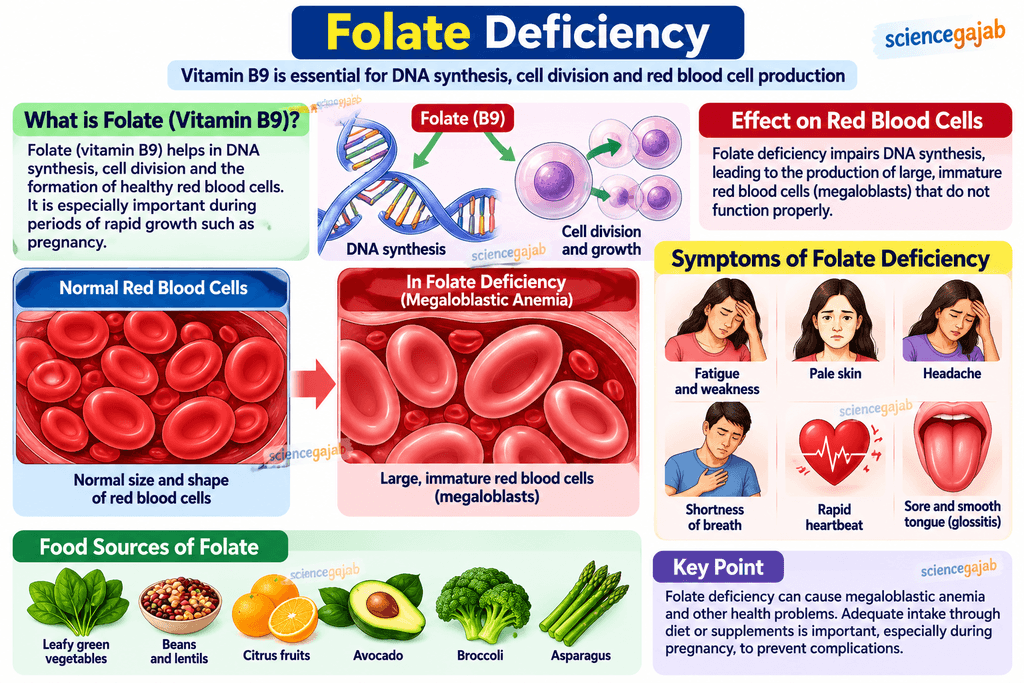
Vitamin B9 (Folate) Deficiency
Folate deficiency can cause:
- Fatigue
- Weakness
- Pale skin
- Mouth or tongue changes
- Shortness of breath
- Megaloblastic anemia
Folate is particularly important during pregnancy because adequate folate helps prevent certain neural tube defects in the developing baby.
15 Folate Deficiency Symptoms You Should Never Ignore (Vitamin B9 Deficiency)
Vitamin B12 Deficiency
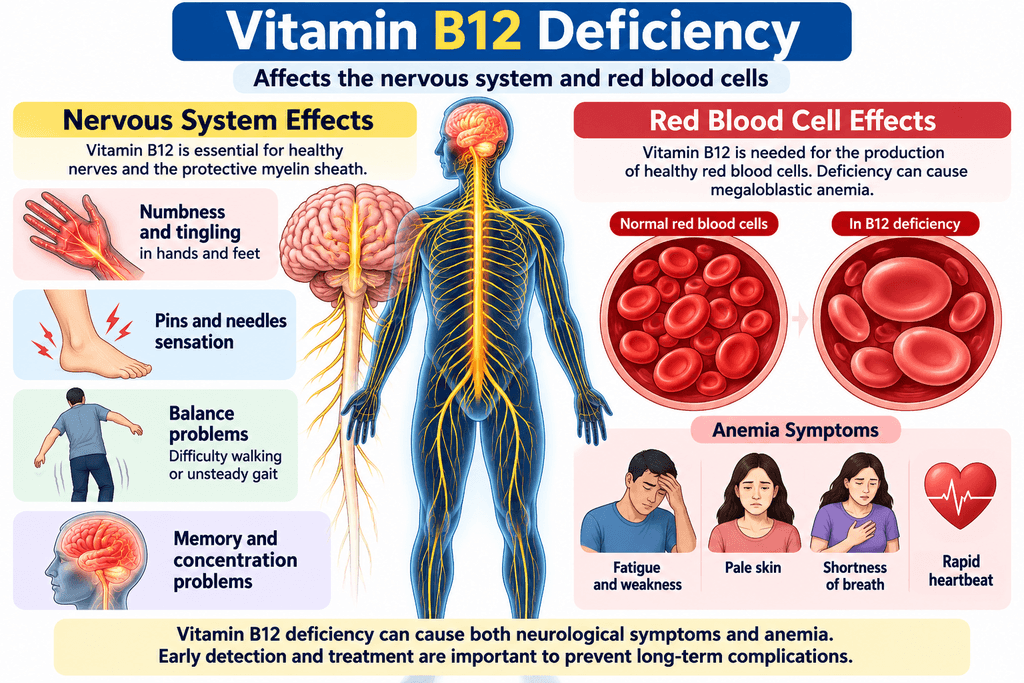
Vitamin B12 deficiency can cause:
- Fatigue
- Weakness
- Pale skin
- Numbness
- Tingling
- Balance problems
- Difficulty walking
- Cognitive changes
- Glossitis
- Anemia
One important feature of B12 deficiency is that neurological problems can occur even when anemia is not prominent.
What Causes Vitamin B Deficiency?
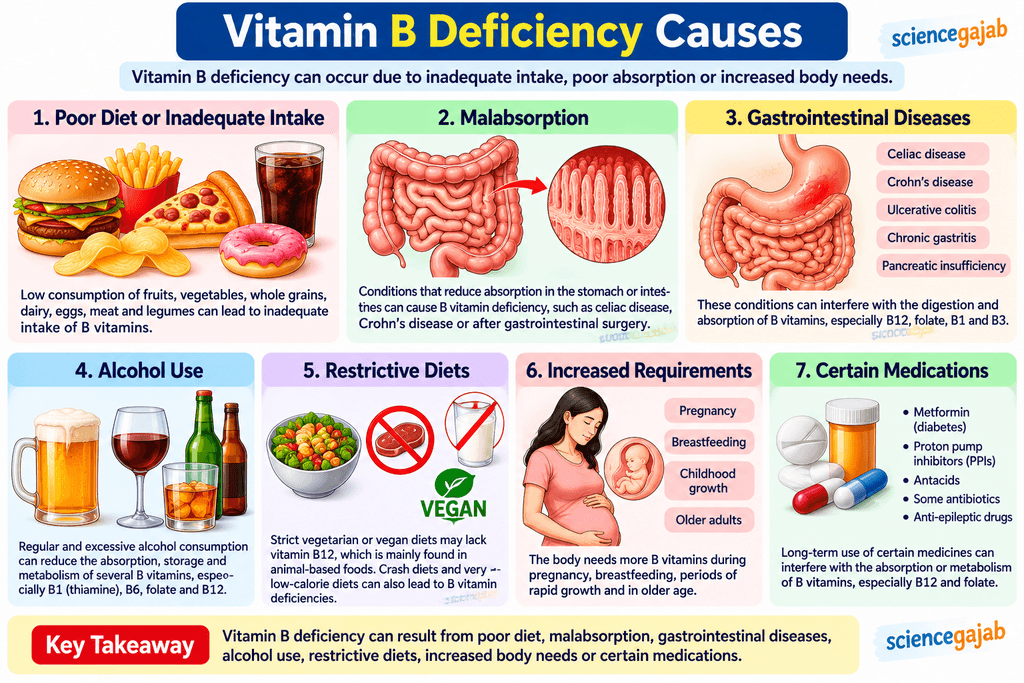
Vitamin B deficiency can occur because of inadequate dietary intake, impaired absorption, increased nutritional requirements or certain medical conditions.
Common contributing factors include:
1. Poor Dietary Intake
A diet lacking a variety of nutrient-rich foods can increase the risk of certain B-vitamin deficiencies.
2. Vegan or Strict Vegetarian Diet
Vitamin B12 naturally occurs mainly in animal-derived foods. People who avoid animal products may therefore need fortified foods or an appropriate B12 supplement.
3. Malabsorption
Conditions affecting the gastrointestinal tract can interfere with vitamin absorption.
Examples include:
- Celiac disease
- Crohn’s disease
- Other intestinal disorders
- Certain gastrointestinal surgeries
4. Alcohol Dependence
Chronic excessive alcohol use can contribute to nutritional deficiencies, particularly thiamine deficiency.
5. Certain Medications
Some medications can interfere with the absorption or metabolism of particular vitamins.
Medication-related nutritional deficiencies should be assessed individually.
6. Increased Requirements
Certain life stages or medical situations can increase nutritional requirements.
Pregnancy is an important example, particularly regarding folate.
Silent Signs of Heart Disease You Should Never Ignore
Who Is at Higher Risk?
The risk depends on the specific B vitamin.
People who may be more likely to develop certain B-vitamin deficiencies include:
- People with poor nutritional intake
- People with alcohol dependence
- People with gastrointestinal malabsorption disorders
- People who have undergone certain gastrointestinal surgeries
- People following strict vegan diets
- Older adults
- People taking certain medications
- People with conditions affecting nutrient absorption
- Pregnant women, for certain nutrients
Risk factors vary considerably between B vitamins.
🌀Why Your Brain Gets Confused During Motion Sickness
Foods Rich in B Vitamins
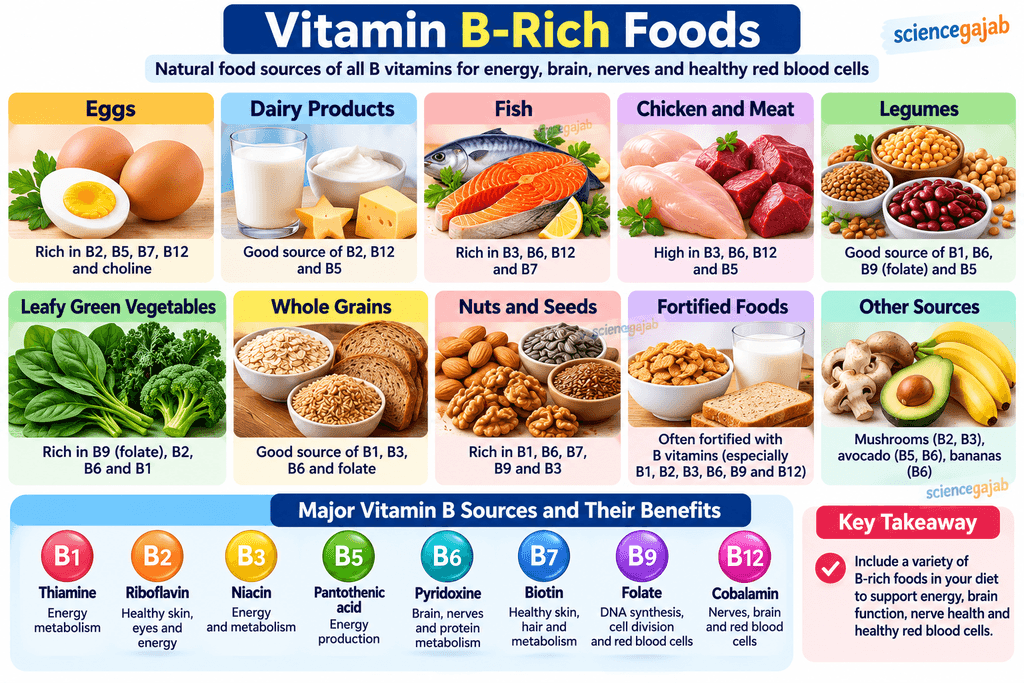
A varied diet can provide many B vitamins.
Animal Foods
Examples include:
- Eggs
- Milk
- Yogurt
- Fish
- Chicken
- Meat
- Liver
- Seafood
These foods are particularly useful sources of vitamin B12 and several other B vitamins.
Plant Foods
Examples include:
- Whole grains
- Beans
- Lentils
- Peanuts
- Seeds
- Nuts
- Green leafy vegetables
- Mushrooms
- Avocado
- Fortified cereals
Folate is abundant in many leafy green vegetables and legumes.
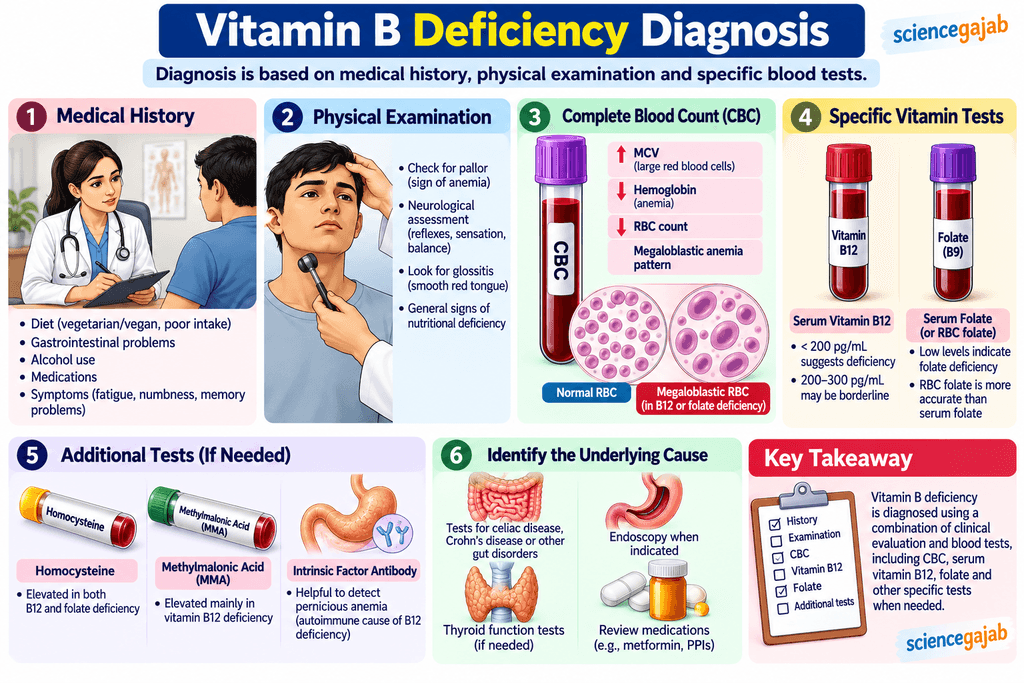
How Is Vitamin B Deficiency Diagnosed?
Symptoms alone cannot reliably diagnose vitamin B deficiency.
A healthcare professional may consider:
Medical history
This may include questions about:
- Diet
- Alcohol intake
- Medications
- Digestive symptoms
- Previous gastrointestinal surgery
- Neurological symptoms
Why Do Eyes Feel Heavy? (Simple Explanation You Can Trust)
Physical examination
The examination may look for:
- Pale skin
- Tongue changes
- Neurological abnormalities
- Reduced reflexes
- Balance problems
- Muscle weakness
Blood tests
Depending on the suspected deficiency, testing may include:
- Complete blood count
- Serum vitamin B12
- Folate
- Additional tests when B12 deficiency is suspected
- Other nutritional or metabolic tests when appropriate
The appropriate testing depends on the person’s symptoms and clinical history.
Treatment for Vitamin B Deficiency
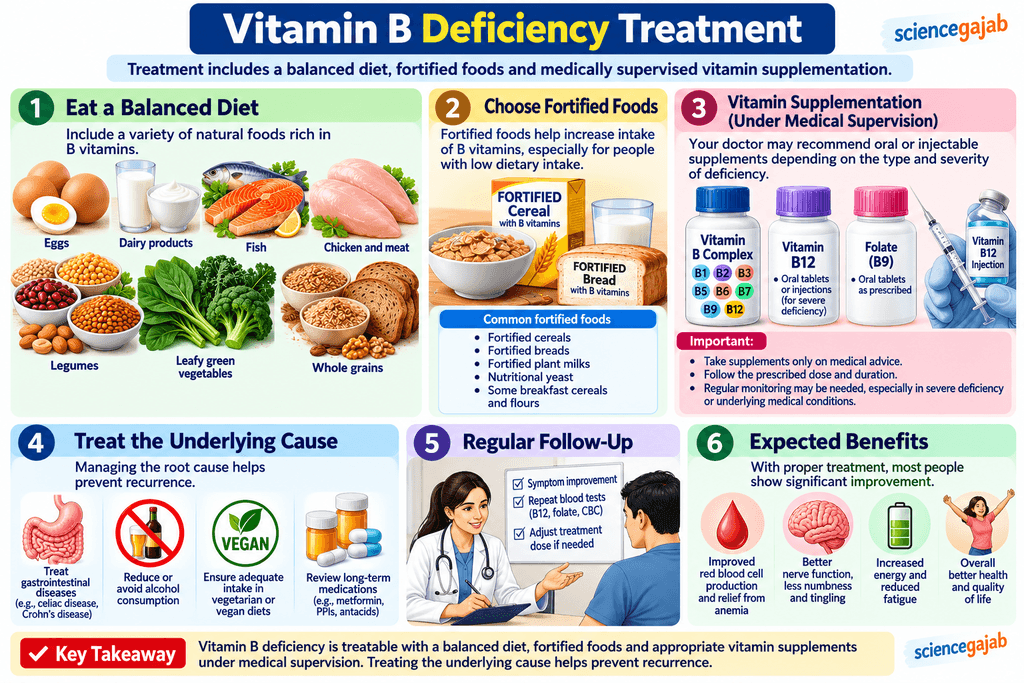
Treatment depends on which B vitamin is deficient and why.
Possible approaches include:
Dietary improvement
Increasing foods naturally rich in the deficient vitamin may be sufficient for mild dietary deficiency.
Oral supplements
Certain deficiencies can be treated with oral vitamin supplementation.
Higher-dose or injectable treatment
Some people with significant vitamin B12 deficiency, particularly when absorption is impaired or neurological symptoms are present, may require more intensive replacement under medical supervision.
Treating the underlying condition
If deficiency is caused by malabsorption, gastrointestinal disease, medication or another medical problem, treating the underlying cause is important.
18 Zinc Deficiency Symptoms You Should Never Ignore (Early Warning Signs)
Can You Prevent Vitamin B Deficiency?
Many B-vitamin deficiencies can be reduced through a varied and balanced diet.
Helpful habits include:
- Eat a variety of whole foods
- Include legumes and whole grains
- Eat vegetables and leafy greens
- Include appropriate sources of protein
- Use fortified foods when appropriate
- Avoid excessive alcohol consumption
- Address persistent digestive problems
- Follow medical advice if taking medications that affect nutrient absorption
People following restrictive diets may need individualized nutritional advice.
15 Vitamin K Deficiency Symptoms You Should Never Ignore (Early Warning Signs)
When Should You See a Doctor?
Seek medical evaluation if you have persistent:
- Fatigue
- Weakness
- Numbness or tingling
- Balance problems
- Unexplained weight loss
- Pale skin
- Recurrent mouth or tongue problems
- Cognitive changes
- Shortness of breath
- Symptoms of anemia
Seek prompt medical attention for rapidly developing neurological symptoms, severe weakness, difficulty walking, confusion or significant breathing difficulty.
15 Vitamin E Deficiency Symptoms You Should Never Ignore (Early Warning Signs)
Vitamin B Deficiency vs Other Conditions
Many symptoms associated with B-vitamin deficiency are nonspecific.
For example, fatigue can result from:
- Iron deficiency
- Thyroid disease
- Sleep disorders
- Infection
- Chronic disease
- Depression
- Medication effects
Similarly, numbness and tingling can result from:
- Diabetes
- Vitamin B12 deficiency
- Nerve compression
- Alcohol-related nerve damage
- Neurological disorders
Therefore, symptoms should be interpreted in the context of the person’s medical history and appropriate testing.
What Happens During Paralysis? (Simple Human Body Guide)
Frequently Asked Questions
What are the first signs of vitamin B deficiency?
Early symptoms depend on the specific B vitamin. Fatigue, weakness, mouth changes, skin problems, numbness or tingling can occur with certain B-vitamin deficiencies.
Is vitamin B deficiency serious?
Some B-vitamin deficiencies can become serious if untreated. Vitamin B12 deficiency, for example, can cause neurological complications, while severe deficiencies of other B vitamins can also produce significant disease.
Which vitamin B deficiency causes numbness and tingling?
Vitamin B12 deficiency is an important nutritional cause of numbness and tingling. However, other neurological and metabolic conditions can produce the same symptoms.
Which vitamin B deficiency causes anemia?
Vitamin B12 and folate deficiencies can cause megaloblastic anemia. Vitamin B6 deficiency can also cause anemia, although through a different mechanism.
Can vitamin B deficiency cause hair loss?
Some nutritional deficiencies can contribute to hair changes, but hair loss has many possible causes. Vitamin deficiency should be confirmed rather than assumed.
Are B-complex supplements safe?
B-complex supplements can be useful when a deficiency or increased requirement exists, but taking very high doses unnecessarily is not always beneficial. Some B vitamins can cause adverse effects at excessive doses.
Can I get enough B vitamins from food?
Many people can obtain adequate B vitamins from a varied diet. However, vitamin B12 deserves special consideration in people who consume little or no animal-derived food or who have absorption problems.
How long does it take to correct vitamin B deficiency?
The time required varies according to the specific vitamin, severity of deficiency, cause, treatment and whether neurological complications are present.
Why Viruses Spread So Fast — The Invisible Science Inside Your Body
Key Takeaways
- There are eight B vitamins, not one single vitamin B.
- B vitamins support energy metabolism, blood-cell production, DNA synthesis and nervous-system function.
- Deficiency symptoms depend on the specific B vitamin involved.
- Common symptoms may include fatigue, weakness, anemia, mouth changes, skin problems and neurological symptoms.
- Vitamin B12 deficiency can cause numbness, tingling, balance problems and other neurological complications.
- Folate and B12 deficiencies can cause megaloblastic anemia.
- Vitamin B5 and B7 deficiencies are relatively uncommon.
- Poor diet, malabsorption, certain medications and specific medical conditions can increase deficiency risk.
- A diagnosis should be based on clinical assessment and appropriate laboratory testing rather than symptoms alone.
- A balanced diet provides many B vitamins, but some people may require supplementation under professional guidance.
Medical Disclaimer: This article is for educational purposes only and does not replace professional medical advice, diagnosis or treatment. If you suspect a vitamin deficiency or have persistent or severe symptoms, consult a qualified healthcare professional.