
zinc deficiency symptoms
18 Zinc Deficiency Symptoms You Should Never Ignore (Early Warning Signs)
Reviewed by: ScienceGajab Medical Content Team
Reading Time: 13 Minutes
Last Updated: oct 2026
Quick Answer
Zinc deficiency occurs when your body does not get enough zinc, an essential mineral needed for immune function, wound healing, DNA synthesis, growth, reproduction, and healthy skin. Early symptoms often include frequent infections, slow wound healing, hair loss, poor appetite, changes in taste or smell, skin rashes, mouth ulcers, and diarrhea. If left untreated, zinc deficiency may affect growth, fertility, and immune function.
Fortunately, most cases improve with a zinc-rich diet, treatment of the underlying cause, and zinc supplements when recommended by a healthcare professional.
Zinc deficiency may cause frequent infections, slow wound healing, hair loss, poor appetite, mouth ulcers, skin rashes, and changes in taste or smell. Most cases improve with zinc-rich foods, treatment of the underlying cause, and zinc supplements when recommended by a healthcare professional.
Table of Contents
- What Is Zinc?
- Why Is Zinc Important?
- Who Is at Risk?
- 18 Zinc Deficiency Symptoms
- Causes
- Risk Factors
- Diagnosis
- Treatment
- Best Zinc-Rich Foods
- Prevention
- FAQs
- Key Takeaways
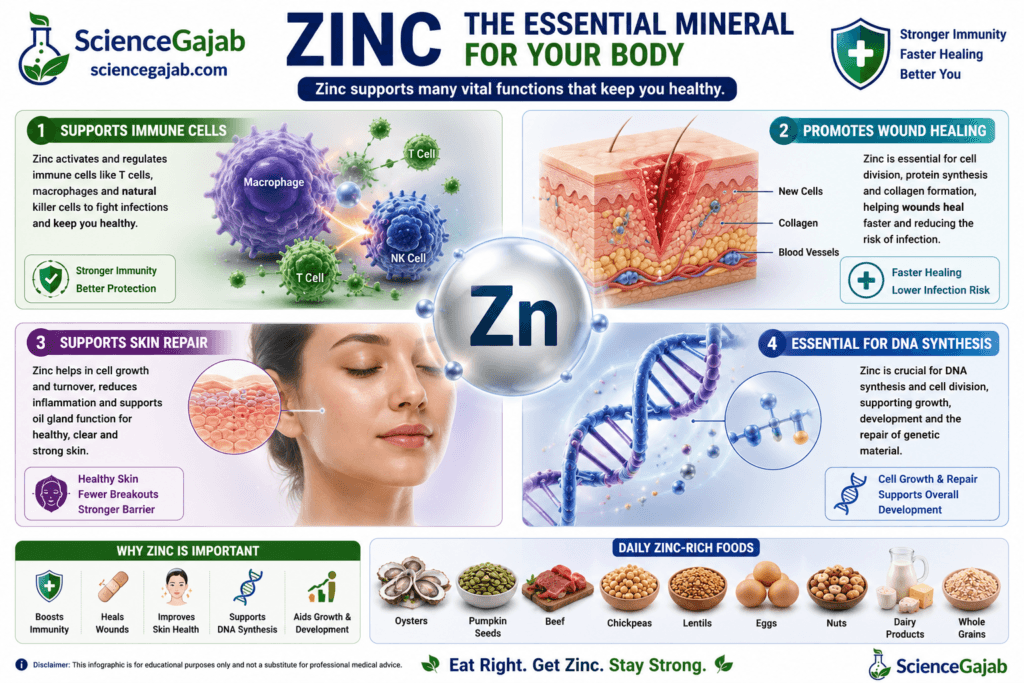
What Is Zinc?
Zinc is an essential trace mineral required in small amounts but involved in hundreds of enzyme reactions throughout the body. Because the human body cannot produce or store large amounts of zinc, it must be obtained regularly through food.
Zinc is particularly important for:
- Immune system function
- Skin repair
- Wound healing
- Growth and development
- DNA and protein synthesis
- Normal taste and smell
- Reproductive health
Even mild zinc deficiency can affect several body systems.
Why Is Zinc Important?
Zinc supports many important functions.
It helps:
- Strengthen the immune system
- Heal cuts and wounds
- Maintain healthy skin
- Support hair growth
- Produce proteins and DNA
- Maintain normal taste and smell
- Support fertility and reproductive health
- Promote healthy growth in children
- Help enzymes function properly
Zinc also acts as an antioxidant and supports normal cell division.
CELL CYCLE AND CELL DIVISION | DEFINITION AND PHASES OF CELL CYCLE
Who Is Most at Risk?
People at increased risk include:
- Older adults
- Vegetarians and vegans with low zinc intake
- Pregnant and breastfeeding women
- People with Crohn’s disease or other digestive disorders
- Individuals with chronic diarrhea
- People with alcohol use disorder
- Children with poor nutrition
- Individuals with kidney disease
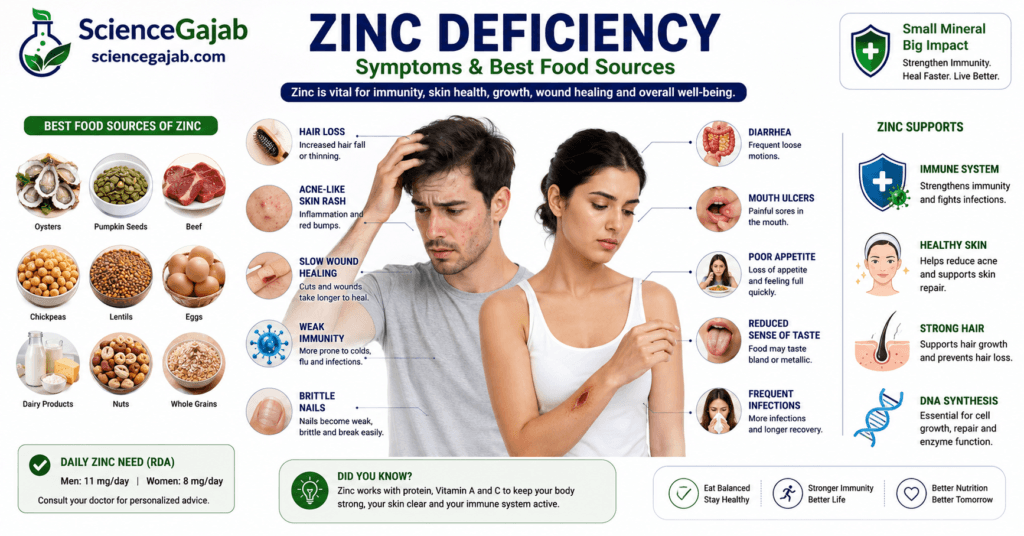
Early Zinc Deficiency Symptoms
Symptoms usually develop gradually and may vary depending on the severity of the deficiency.
1. Frequent Infections
One of the earliest signs of zinc deficiency is getting sick more often than usual.
People may experience:
- Frequent colds
- Recurrent sore throats
- Slow recovery from infections
- Repeated respiratory infections
Because zinc supports immune cell function, inadequate intake may reduce the body’s ability to fight infections.
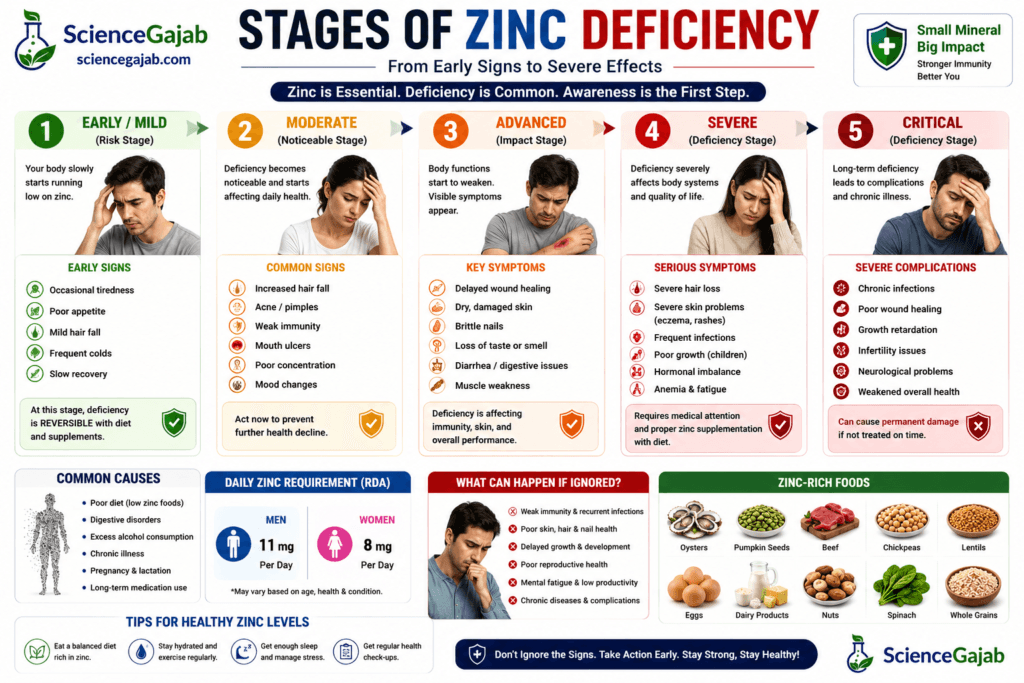
2. Slow Wound Healing
Zinc is essential for tissue repair.
Deficiency may cause:
- Cuts that heal slowly
- Delayed healing after surgery
- Slow recovery from skin injuries
- Persistent wounds
Why Wounds Itch During Healing and How to Stop It ?
3. Hair Loss
Hair follicles require zinc for normal growth.
Low zinc may contribute to:
- Increased hair shedding
- Thinning hair
- Brittle hair
- Slower hair growth
Hair loss has many possible causes, including iron deficiency, thyroid disease, stress, and certain medical conditions.
The Real Reason Your Hair Turns Gray (It’s Not Just Aging)
4. Poor Appetite
Many people notice:
- Reduced hunger
- Eating smaller meals
- Weight loss over time
Children with zinc deficiency may also experience poor appetite.
15 Folate Deficiency Symptoms You Should Never Ignore (Vitamin B9 Deficiency)
5. Changes in Taste or Smell
Zinc plays an important role in taste and smell.
Deficiency may cause:
- Reduced ability to taste food
- Decreased sense of smell
- Food tasting bland
- Loss of enjoyment while eating
These symptoms can also occur with infections, aging, medications, or neurological conditions.
Why Does One Side of the Nose Get Blocked? The Surprising Science Behind the Nasal Cycle
Did You Know?
About 15–30% of the world’s population may be at risk of inadequate zinc intake, particularly in regions where diets rely heavily on cereals and contain fewer animal-source foods.
Doctor’s Tip
Hair loss, slow wound healing, and frequent infections are not always caused by zinc deficiency. Similar symptoms can occur with iron deficiency, diabetes, thyroid disorders, protein deficiency, or skin diseases. A healthcare professional can determine the underlying cause through an appropriate evaluation.
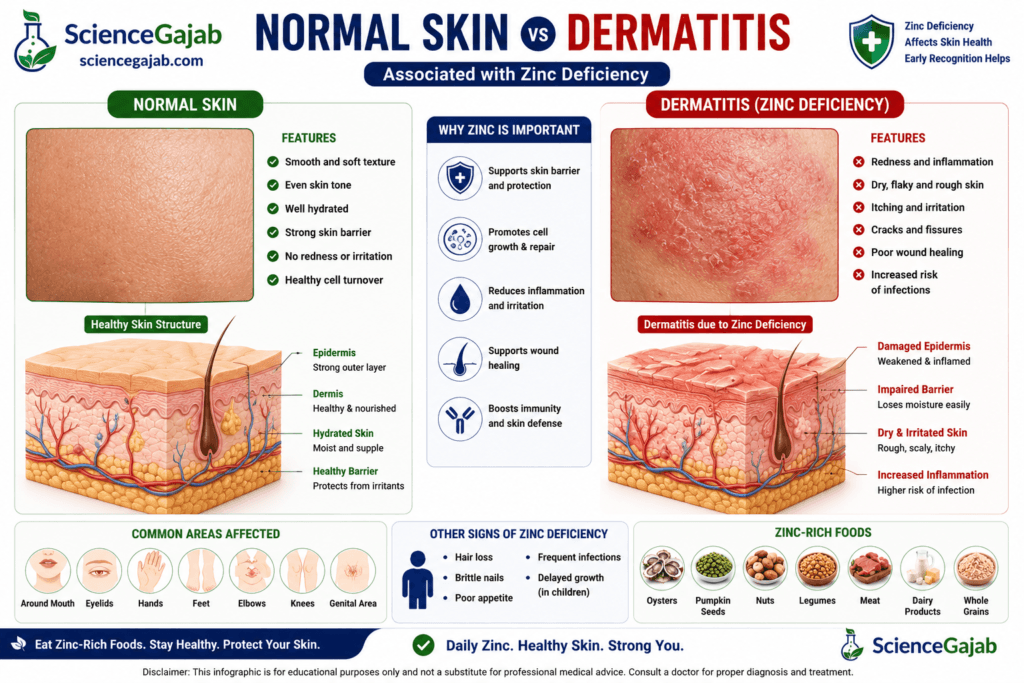
6. Skin Rash (Zinc Deficiency Dermatitis)
One of the characteristic signs of zinc deficiency is a red, inflamed skin rash.
The rash often appears around:
- Mouth
- Nose
- Eyes
- Hands
- Feet
- Groin
Why Does Skin Become White After Fungal Infection? (Real Reason Doctors Explain)
Symptoms may include:
- Redness
- Dry skin
- Scaling
- Cracking
- Itching
Persistent skin rashes should be evaluated because eczema, psoriasis, fungal infections, and allergies can produce similar symptoms.
7. Acne That Doesn’t Improve
Although acne has many causes, zinc deficiency may contribute to:
- Persistent acne
- Increased skin inflammation
- Slower healing of pimples
- More frequent breakouts
Zinc supports normal skin repair and immune function.
crawling sensation on skin causes
8. Brittle Nails
Low zinc levels may affect nail growth.
Signs include:
- Weak nails
- Frequent breaking
- Slow nail growth
- White spots (which can have many causes and are not specific to zinc deficiency)
9. Mouth Ulcers
Painful sores inside the mouth are a common symptom.
They may occur on:
- Tongue
- Lips
- Inside cheeks
- Gums
Eating spicy or acidic foods may become uncomfortable.
mouth ulcers vitamin deficiency
10. Swollen Tongue (Glossitis)
Zinc deficiency may contribute to inflammation of the tongue.
Symptoms include:
- Smooth tongue
- Red tongue
- Burning sensation
- Pain while eating
vitamin deficiency burning tongue
11. Diarrhea
People with zinc deficiency sometimes experience:
- Loose stools
- Frequent diarrhea
- Poor nutrient absorption
Persistent diarrhea can also worsen zinc deficiency by increasing zinc losses.
12. Poor Night Vision
Severe zinc deficiency may affect vitamin A metabolism, which plays a role in vision.
Some people may notice:
- Difficulty seeing in dim light
- Poor night vision
- Dry eyes
Night blindness has many possible causes, including vitamin A deficiency.
13. Difficulty Concentrating
Some individuals report:
- Brain fog
- Poor concentration
- Reduced attention
- Difficulty completing tasks
These symptoms are not specific to zinc deficiency but may occur alongside other signs.
14. Mood Changes
Possible symptoms include:
- Irritability
- Low mood
- Reduced motivation
- Feeling mentally tired
Mood changes should always be evaluated in the broader clinical context.
Why Your Brain Suddenly Makes You Feel Dizzy
15. Delayed Growth in Children
Children need adequate zinc for normal growth and development.
Long-term deficiency may contribute to:
- Short stature
- Poor weight gain
- Delayed growth
- Delayed puberty
16. Reduced Fertility
Zinc supports reproductive health in both men and women.
Low zinc levels may contribute to:
In Men
- Reduced sperm quality
- Lower sperm count
- Reduced testosterone production
In Women
- Disruption of normal reproductive function
Fertility problems have many possible causes and require medical evaluation.
Reproductive Health Class 12 Notes (Menstrual Cycle, Fertilization, Contraception, STDs)
17. Poor Immune Function
Over time, zinc deficiency may reduce the body’s ability to fight infections.
People may notice:
- Frequent illness
- Longer recovery times
- Recurrent skin infections
- Slow healing
18. Delayed Puberty
Severe zinc deficiency during childhood or adolescence may delay normal sexual maturation.
Fortunately, this is uncommon in people with adequate nutrition.
Common Causes of Zinc Deficiency
1. Poor Dietary Intake
The most common cause is eating too few zinc-rich foods.
Higher-risk diets may include very limited amounts of:
- Meat
- Seafood
- Dairy
- Nuts
- Seeds
- Legumes
2. Vegetarian and Vegan Diets
Plant foods contain compounds called phytates, which can reduce zinc absorption.
A well-planned vegetarian or vegan diet can still provide adequate zinc, but attention to food choices is important.
3. Crohn’s Disease
Crohn’s disease may reduce zinc absorption from the intestines.
4. Chronic Diarrhea
Long-term diarrhea increases zinc losses and can contribute to deficiency.
5. Alcohol Use Disorder
Heavy alcohol intake may:
- Reduce zinc absorption
- Increase zinc loss
- Contribute to poor nutrition
6. Pregnancy and Breastfeeding
Pregnancy and breastfeeding increase zinc requirements because of the needs of the growing baby and milk production.
7. Kidney Disease
Some kidney conditions or treatments may alter zinc balance.
Risk Factors
People at increased risk include:
- Older adults
- Pregnant women
- Breastfeeding mothers
- Vegetarians
- Vegans
- People with digestive disorders
- Individuals with chronic diarrhea
- People with alcohol use disorder
Zinc Deficiency vs Iron Deficiency
| Zinc Deficiency | Iron Deficiency |
|---|---|
| Hair loss | Hair loss |
| Frequent infections | Fatigue |
| Slow wound healing | Pale skin |
| Skin rash | Shortness of breath |
| Poor taste and smell | Dizziness |
| Mouth ulcers | Brittle nails |
Many symptoms overlap, so laboratory testing is often needed to determine the underlying deficiency.
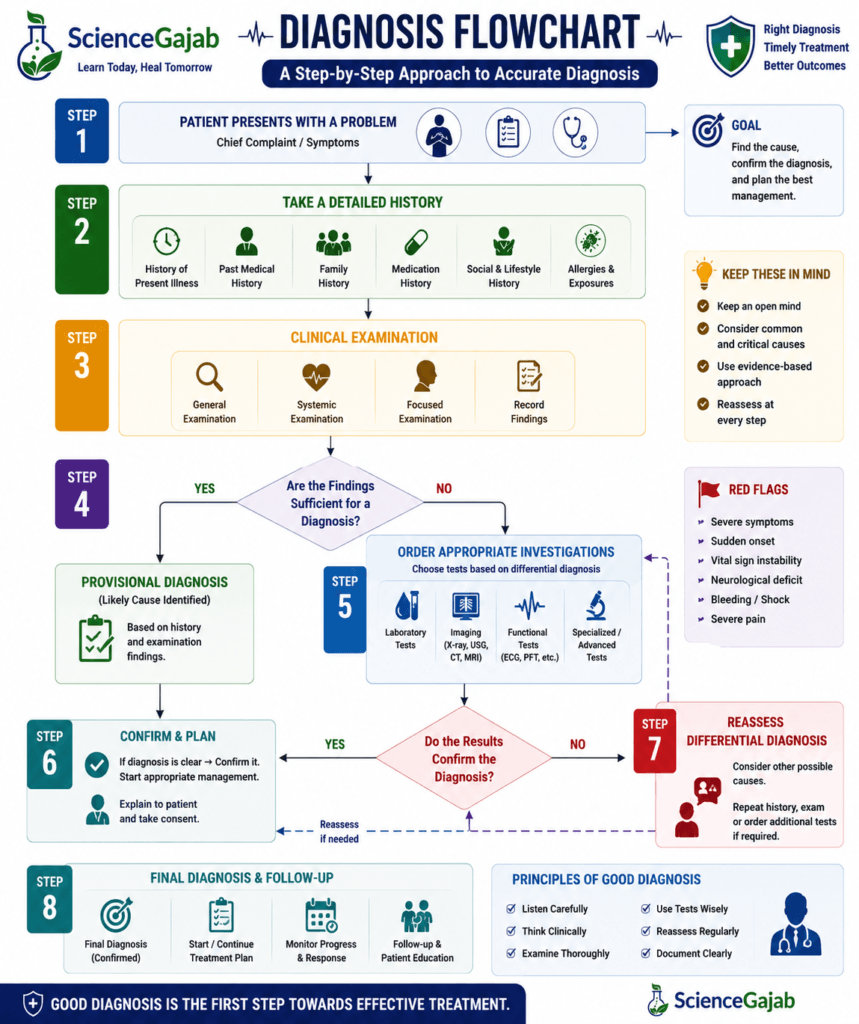
How Is Zinc Deficiency Diagnosed?
A healthcare professional may recommend:
Medical History
Questions about:
- Diet
- Digestive symptoms
- Medications
- Alcohol use
- Chronic illnesses
Physical Examination
The doctor may look for:
- Hair thinning
- Skin rash
- Mouth ulcers
- Nail changes
- Growth problems in children
Laboratory Tests
Diagnosis may include:
- Serum zinc level
- Complete Blood Count (CBC) (to assess for anemia or other abnormalities)
- Inflammatory markers if appropriate
- Additional tests based on the suspected underlying cause
Because serum zinc levels can be influenced by infection and inflammation, results are interpreted alongside symptoms and medical history.
Possible Complications
If left untreated, zinc deficiency may lead to:
- Frequent infections
- Chronic skin problems
- Delayed wound healing
- Growth impairment in children
- Fertility problems
- Reduced quality of life
Early diagnosis and treatment generally lead to a good recovery.
Can Zinc Deficiency Be Treated?
Yes. Zinc deficiency is usually treatable once the underlying cause is identified. Treatment depends on:
- Severity of zinc deficiency
- Dietary zinc intake
- Age
- Pregnancy or breastfeeding
- Digestive disorders
- Chronic illnesses
Most people improve with a combination of a balanced diet, treatment of the underlying cause, and zinc supplements when recommended by a healthcare professional.
Important: Taking excessive zinc supplements can interfere with copper absorption and may cause other health problems. Always follow medical advice.
Treatment Options
1. Increase Zinc-Rich Foods
For mild deficiency, improving your diet is usually the first step.
Foods naturally rich in zinc include:
- Oysters
- Beef
- Pumpkin seeds
- Chickpeas
- Lentils
- Eggs
- Dairy products
- Nuts
- Whole grains
2. Zinc Supplements
Healthcare professionals may recommend zinc supplements when dietary intake alone is not sufficient.
Common forms include:
- Zinc gluconate
- Zinc sulfate
- Zinc acetate
- Zinc picolinate
The appropriate type and dose depend on your age, symptoms, and underlying condition.
3. Treat the Underlying Cause
Long-term improvement requires addressing the reason for zinc deficiency.
Examples include:
- Chronic diarrhea
- Crohn’s disease
- Celiac disease
- Poor nutrition
- Alcohol use disorder
Tingling in Hands and Feet: Causes, Symptoms & When to Worry
30 Best Zinc-Rich Foods
Seafood
| Food | Zinc (Approx./100 g) |
|---|---|
| Oysters | 39 mg |
| Crab | 7.6 mg |
| Lobster | 3.5 mg |
| Shrimp | 1.6 mg |
Meat
| Food | Zinc |
|---|---|
| Beef | 12 mg |
| Lamb | 8 mg |
| Pork | 3 mg |
| Chicken (dark meat) | 2.7 mg |
Dairy & Eggs
| Food | Zinc |
|---|---|
| Cheese | 3–5 mg |
| Yogurt | 1–2 mg |
| Milk | 0.4 mg |
| Eggs | 1.3 mg |
Legumes
| Food | Zinc |
|---|---|
| Chickpeas | 3.4 mg |
| Lentils | 1.3 mg |
| Kidney beans | 2.8 mg |
| Black beans | 3.6 mg |
Nuts & Seeds
| Food | Zinc |
|---|---|
| Pumpkin seeds | 7.8 mg |
| Sesame seeds | 7.7 mg |
| Hemp seeds | 9.9 mg |
| Cashews | 5.8 mg |
| Almonds | 3.1 mg |
Whole Grains
- Oats
- Quinoa
- Brown rice
- Whole wheat
- Barley
Top 30 Zinc-Rich Foods
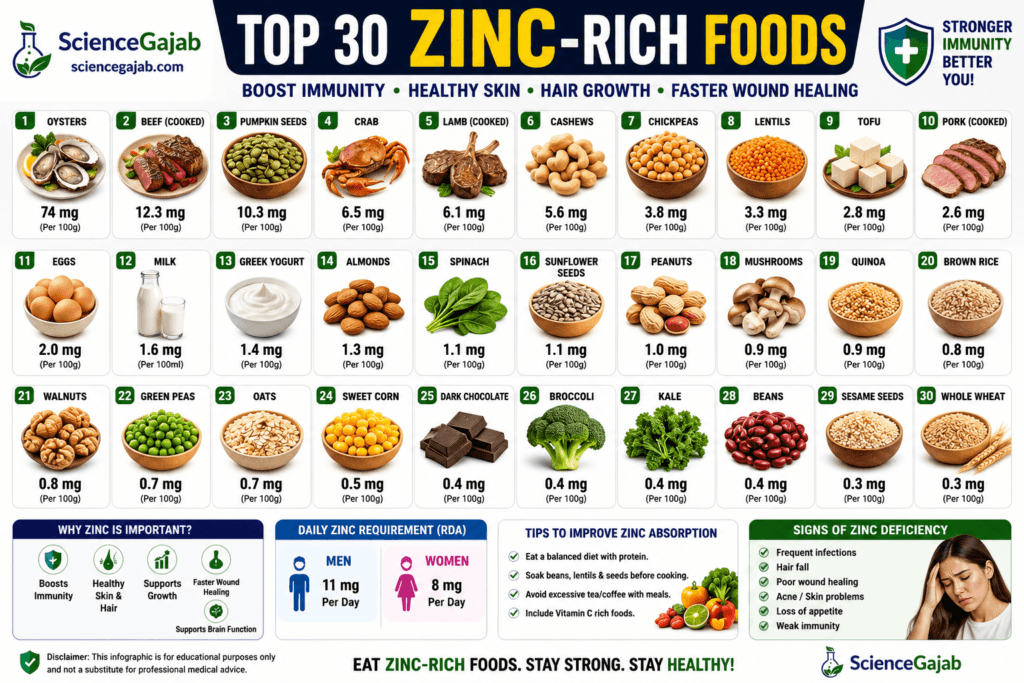
- Oysters
- Beef
- Hemp seeds
- Pumpkin seeds
- Sesame seeds
- Crab
- Lamb
- Cashews
- Cheese
- Black beans
- Chickpeas
- Kidney beans
- Yogurt
- Eggs
- Chicken
- Pork
- Lentils
- Milk
- Quinoa
- Oats
- Brown rice
- Whole wheat
- Barley
- Almonds
- Peanuts
- Tofu
- Mushrooms
- Spinach
- Peas
- Fortified breakfast cereals
Foods That Improve Zinc Absorption
These habits may help support zinc intake:
- Eat adequate protein.
- Include animal-source foods if appropriate for your diet.
- Soak, sprout, or ferment beans and grains to reduce phytates.
- Eat a varied diet with legumes, seeds, nuts, and whole grains.
Foods That May Reduce Zinc Absorption
Some dietary components can reduce zinc absorption:
- Large amounts of phytates in unsoaked whole grains and legumes
- Excessive calcium or iron supplements taken at the same time as zinc supplements
- Highly processed diets low in nutrient-dense foods
These foods can still be part of a healthy diet; preparation methods and overall dietary balance matter.
Daily Zinc Requirements
| Group | Recommended Daily Intake |
|---|---|
| Adult Men | 11 mg |
| Adult Women | 8 mg |
| Pregnant Women | 11 mg |
| Breastfeeding Women | 12 mg |
| Teen Boys | 11 mg |
| Teen Girls | 9 mg |
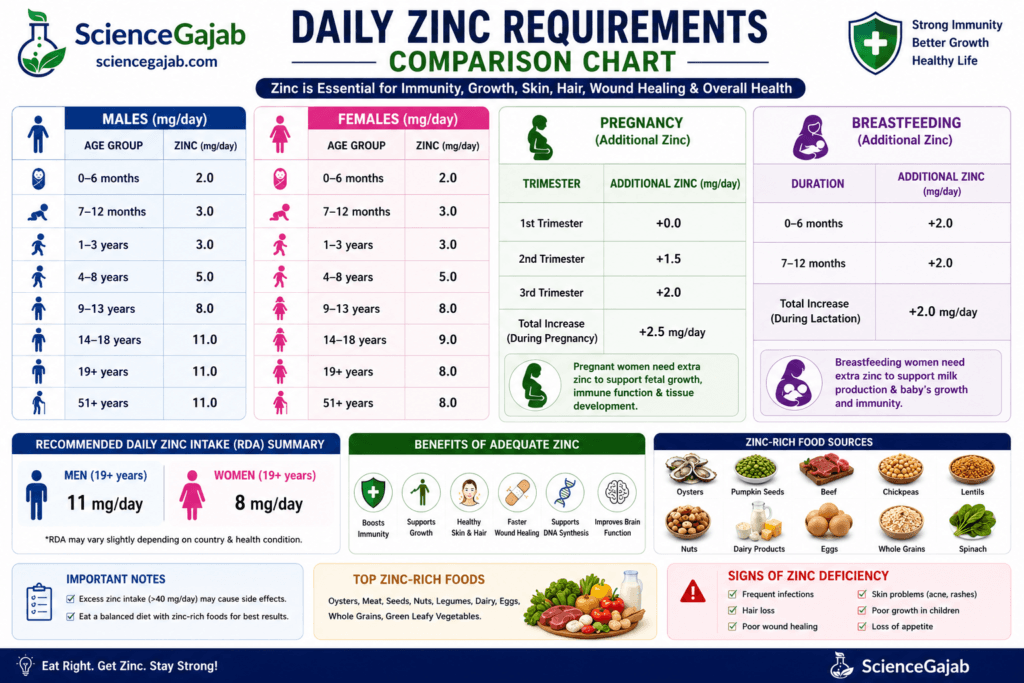
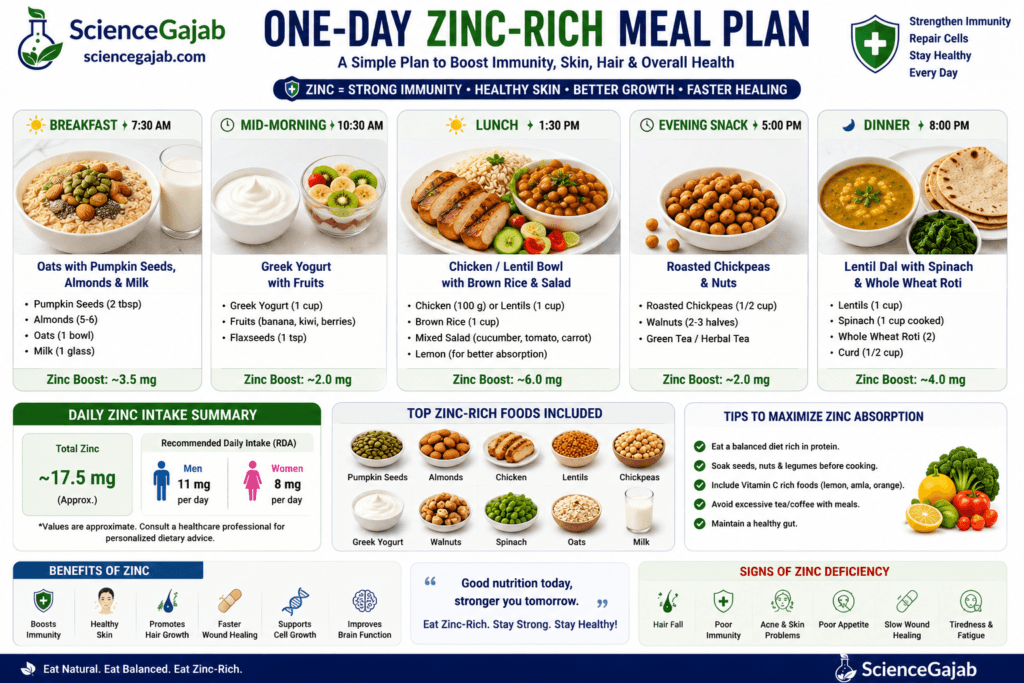
Sample One-Day Zinc-Rich Meal Plan
Breakfast
- Oatmeal with pumpkin seeds
- Yogurt
- Boiled egg
Mid-Morning Snack
- Handful of cashews
- Apple
Lunch
- Brown rice
- Chickpea curry
- Spinach salad
- Yogurt
Evening Snack
- Roasted pumpkin seeds
- Fresh fruit
Dinner
- Grilled chicken (or tofu)
- Lentil soup
- Whole wheat chapati
- Mixed vegetables
Can You Get Too Much Zinc?
Yes.
Excess zinc from supplements may cause:
- Nausea
- Vomiting
- Abdominal pain
- Diarrhea
- Copper deficiency with long-term excessive intake
- Reduced immune function in severe cases
Obtaining zinc from food is generally safe for healthy individuals.
Prevention Tips
1✔ Eat zinc-rich foods regularly.
2✔ Include legumes, seeds, nuts, dairy products, or lean meats in your diet.
3✔ Treat chronic digestive disorders promptly.
4✔ Avoid unnecessary high-dose zinc supplements.
5✔ Maintain a balanced diet rather than relying on supplements.
6✔ Attend regular health check-ups if you are at higher risk.
Doctor’s Advice
Persistent hair loss, slow wound healing, frequent infections, or changes in taste should not be ignored. These symptoms may be caused by zinc deficiency, but they can also occur with iron deficiency, thyroid disorders, diabetes, skin diseases, or other medical conditions. Proper diagnosis requires medical evaluation.
Frequently Asked Questions (FAQs)
1. What is the first sign of zinc deficiency?
Early symptoms of zinc deficiency often include:
- Frequent infections
- Slow wound healing
- Hair loss
- Poor appetite
- Changes in taste or smell
Because these symptoms can occur with many other conditions, a healthcare professional may recommend laboratory testing to determine the underlying cause.
2. Which foods are highest in zinc?
Some of the richest natural sources include:
- Oysters
- Beef
- Pumpkin seeds
- Hemp seeds
- Sesame seeds
- Crab
- Lamb
- Chickpeas
- Cashews
- Cheese
A varied diet containing these foods can help maintain healthy zinc levels.
3. Can zinc deficiency cause hair loss?
Yes.
Zinc is essential for healthy hair follicles. Deficiency may contribute to:
- Increased hair shedding
- Hair thinning
- Slow hair growth
Hair loss has many possible causes, including iron deficiency, thyroid disorders, hormonal changes, stress, and certain medical conditions.
4. Can zinc deficiency weaken the immune system?
Yes.
Zinc plays a critical role in the normal development and function of immune cells. Low zinc levels may increase susceptibility to infections and slow recovery from illness.
5. Can zinc deficiency cause acne?
Zinc deficiency is not the only cause of acne, but low zinc levels may contribute to increased skin inflammation and slower healing in some individuals.
Acne usually develops due to multiple factors, including hormones, genetics, and skin bacteria.
6. Can vegetarians get enough zinc?
Yes.
A well-planned vegetarian diet can provide enough zinc through foods such as:
- Pumpkin seeds
- Chickpeas
- Lentils
- Cashews
- Almonds
- Whole grains
- Dairy products (if included)
Because phytates in some plant foods reduce zinc absorption, soaking, sprouting, or fermenting legumes and grains may improve absorption.
7. How is zinc deficiency diagnosed?
Healthcare professionals may recommend:
- Serum zinc level
- Dietary assessment
- Medical history
- Physical examination
Additional blood tests may be performed depending on symptoms and suspected underlying conditions.
8. Can zinc supplements be harmful?
Yes, if taken in excessive amounts.
Too much zinc may cause:
- Nausea
- Vomiting
- Stomach pain
- Diarrhea
- Copper deficiency
- Reduced immune function with long-term excessive intake
Follow your healthcare provider’s recommendations regarding supplements.
9. Can zinc deficiency affect children?
Yes.
Children need adequate zinc for:
- Normal growth
- Healthy immune function
- Wound healing
- Sexual development during adolescence
Long-term deficiency may contribute to delayed growth and puberty.
10. Can zinc deficiency be cured?
In many cases, yes.
Most people recover after:
- Improving dietary zinc intake
- Treating the underlying cause
- Taking zinc supplements when medically indicated
Recovery depends on the severity of the deficiency and any associated medical conditions.
Key Takeaways
1✔ Zinc is essential for immune function, wound healing, healthy skin, hair growth, DNA synthesis, and normal growth.
2✔ Early symptoms include frequent infections, slow wound healing, hair loss, poor appetite, mouth ulcers, and changes in taste or smell.
3✔ Severe deficiency may affect growth, fertility, and immune function.
4✔ Oysters, beef, pumpkin seeds, legumes, dairy products, and nuts are excellent dietary sources of zinc.
5✔ Persistent symptoms should be evaluated by a healthcare professional because many conditions can mimic zinc deficiency.
References
Use current information from trusted organizations when publishing, such as:
- World Health Organization (WHO)
- National Institutes of Health (NIH) Office of Dietary Supplements
- National Health Service (NHS)
- Academy of Nutrition and Dietetics
Update references periodically to keep the article accurate and aligned with current guidance.
Medical Disclaimer
This article is for educational purposes only and should not replace professional medical advice, diagnosis, or treatment. If you have symptoms of zinc deficiency or concerns about your health, consult a qualified healthcare professional. Do not take high-dose zinc supplements without medical advice.
“Could You Be Low in Zinc?” Checklist
zinc deficiency symptoms
Include a reader-friendly checklist:
- □ Frequent colds or infections
- □ Hair thinning or excessive hair fall
- □ Slow healing of cuts
- □ Poor appetite
- □ Mouth ulcers
- □ Reduced sense of taste or smell
- □ Skin rashes that heal slowly
- □ Diet low in zinc-rich foods
If multiple answers are “yes,” advise readers to discuss their symptoms with a healthcare professional.
Myth vs Fact
| Myth | Fact |
|---|---|
| Zinc only supports immunity. | Zinc is also important for skin, hair, wound healing, DNA synthesis, fertility, and growth. |
| Hair loss always means zinc deficiency. | Hair loss can result from iron deficiency, thyroid disease, hormonal changes, stress, genetics, and other causes. |
| More zinc is always better. | Excess zinc can interfere with copper absorption and cause side effects. |
| Vegetarians cannot get enough zinc. | A well-planned vegetarian diet can provide adequate zinc through legumes, seeds, nuts, dairy, and whole grains. |
Comparison Table
| Feature | Zinc Deficiency | Iron Deficiency | Vitamin C Deficiency |
|---|---|---|---|
| Frequent infections | ✔ Common | Sometimes | ✔ Common |
| Hair loss | ✔ | ✔ | Sometimes |
| Slow wound healing | ✔ | Sometimes | ✔ |
| Mouth ulcers | ✔ | Sometimes | Sometimes |
| Changes in taste or smell | ✔ Common | Rare | Rare |
| Pale skin | Less common | ✔ Common | Sometimes |
| Bleeding gums | Rare | Rare | ✔ Common |