
🔥 intro..
🌬️ Why Oxygen Is Important for Cells (Simple Explanation)
You breathe in oxygen every second…
But have you ever wondered why your body actually needs it?
👉 The answer is simple:
Without oxygen, your cells can’t make enough energy to survive.
learn 🔋 How Energy Is Released in the Body (Step-by-Step, Simple)
⚡ The Big Idea (In One Line)
👉 Oxygen helps your cells turn food into energy (ATP).
No oxygen = No energy = No life
🧬 What Do Cells Need to Make Energy?
Your cells need two main things:
- 🍞 Glucose (from food)
- 🌬️ Oxygen (from breathing)
Together, they produce:
👉 ATP (energy)
learn Your Saliva Is More Powerful Than You Think 😳 Here’s What’s Inside
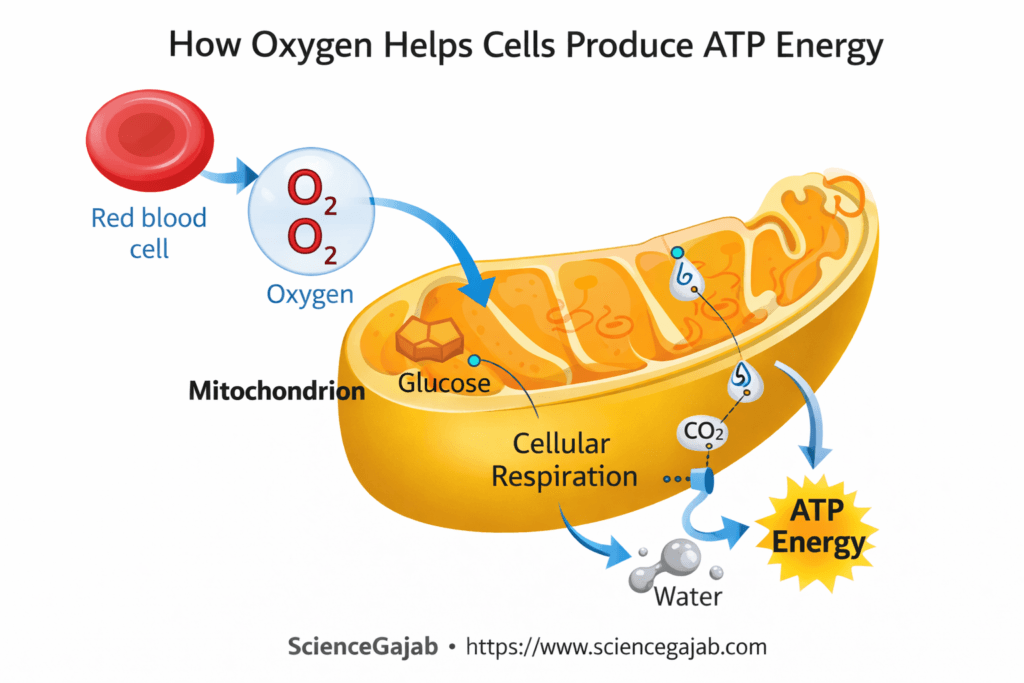
🔥 How Oxygen Helps (Step-by-Step)
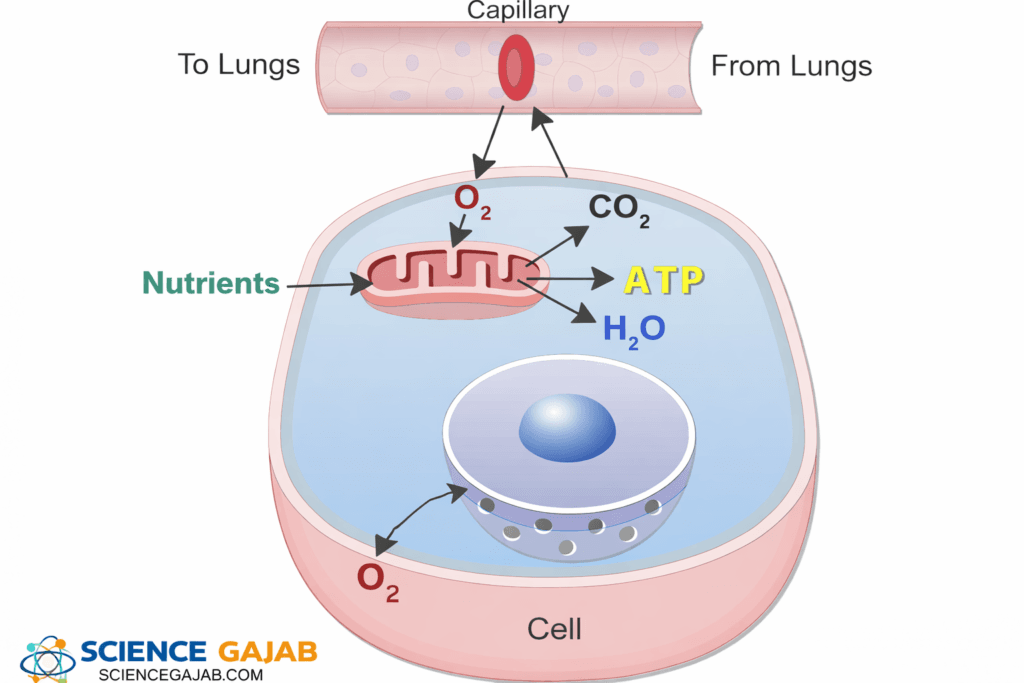
1. Oxygen Reaches Your Cells
When you breathe:
- Oxygen enters your lungs
- Travels through blood
- Reaches every cell
2. Oxygen Enters Mitochondria
Inside the cell, oxygen goes into the mitochondria
👉 (the energy factory)
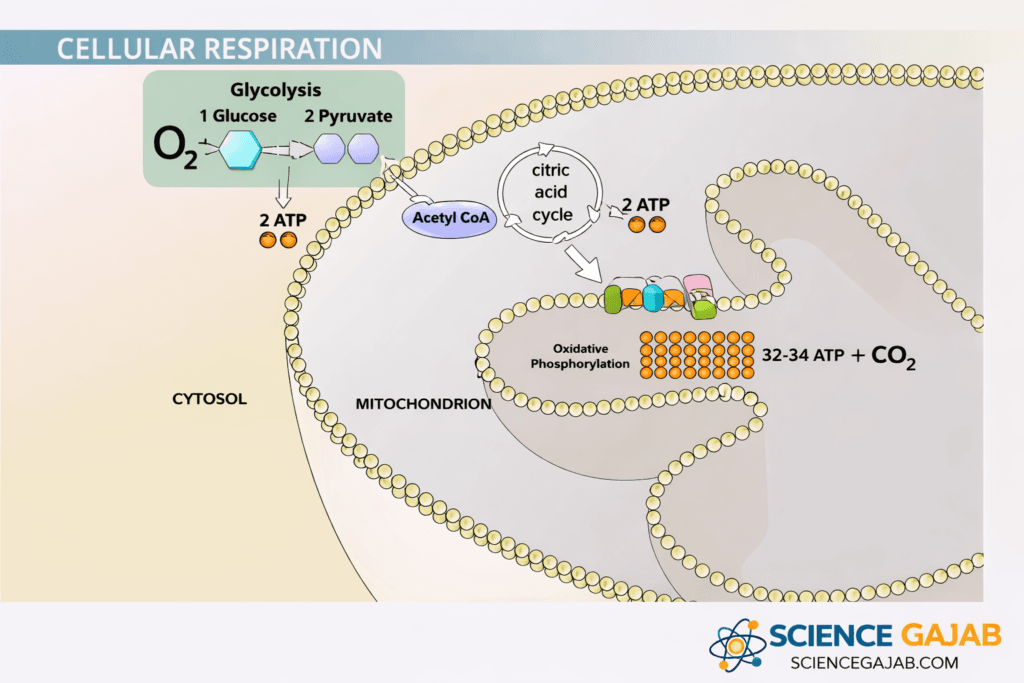
3. Oxygen Helps Release Energy
Here’s the key part:
👉 Oxygen allows the final step of energy production to happen
- It helps break down glucose completely
- This releases a large amount of energy (ATP)
discover 15 Amazing Human Biology Facts Everyone Should Know
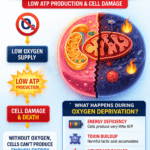
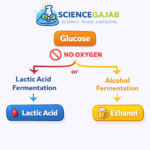
⚡ What Happens Without Oxygen?
If oxygen is not available:
❌ Cells produce very little energy
❌ Waste products build up
❌ Cells start to die
👉 That’s why:
- You feel tired when oxygen is low
- Brain cells die quickly without oxygen
🧠 Simple Analogy
Think of oxygen like fire in a stove:
- Glucose = fuel (wood/gas)
- Oxygen = fire
- ATP = heat/energy
👉 Without fire, fuel can’t release energy properly
learn Why do we sneeze suddenly? The Simple Science Explained
⚡ Fast vs Slow Energy
| With Oxygen | Without Oxygen |
|---|---|
| Lots of ATP | Very little ATP |
| Efficient | Inefficient |
| Sustainable | Short-term only |
🧩 Fun Facts
- Your brain uses about 20% of your oxygen
- Cells can survive only a few minutes without oxygen
- Athletes train to use oxygen more efficiently
learn Why Veins Look Blue But Blood Is Always Red
🔥 Final Thought
Oxygen may feel invisible and ordinary…
But inside your body, it’s doing something incredible:
👉 Turning food into energy that powers your life
🌬️ Oxygen is not just for breathing — it’s the key to your body’s energy system.
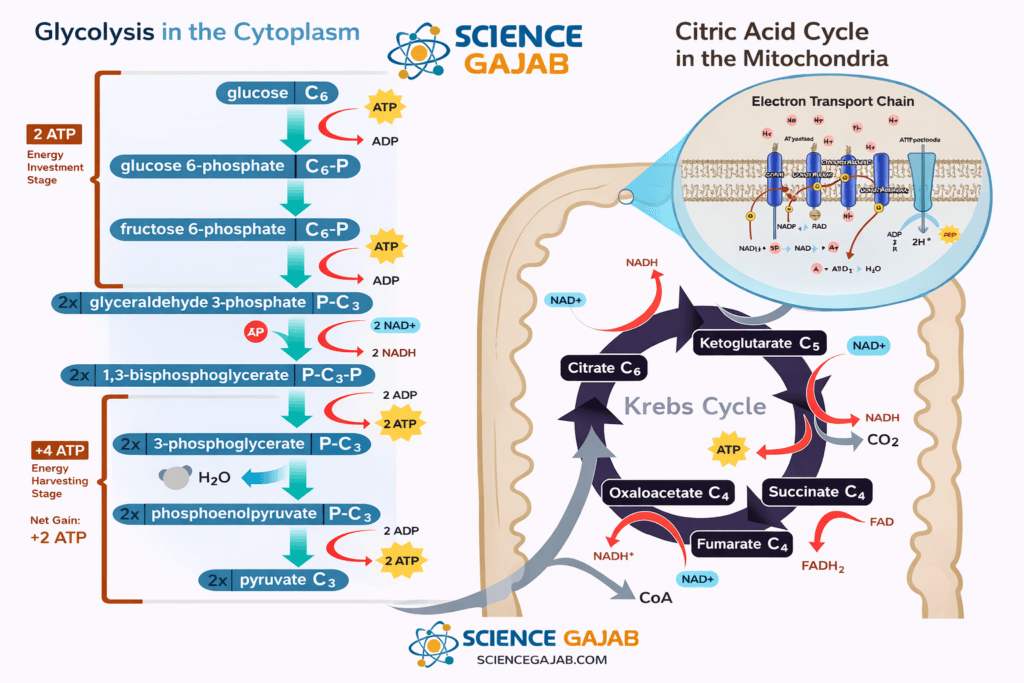
📌 10 Simple Steps of Glycolysis (Easy Breakdown)
learn https://sciencegajab.com/coronary-artery-blockage-explained-simple/