
why-eyes-twitch
Why Do Eyes Twitch?
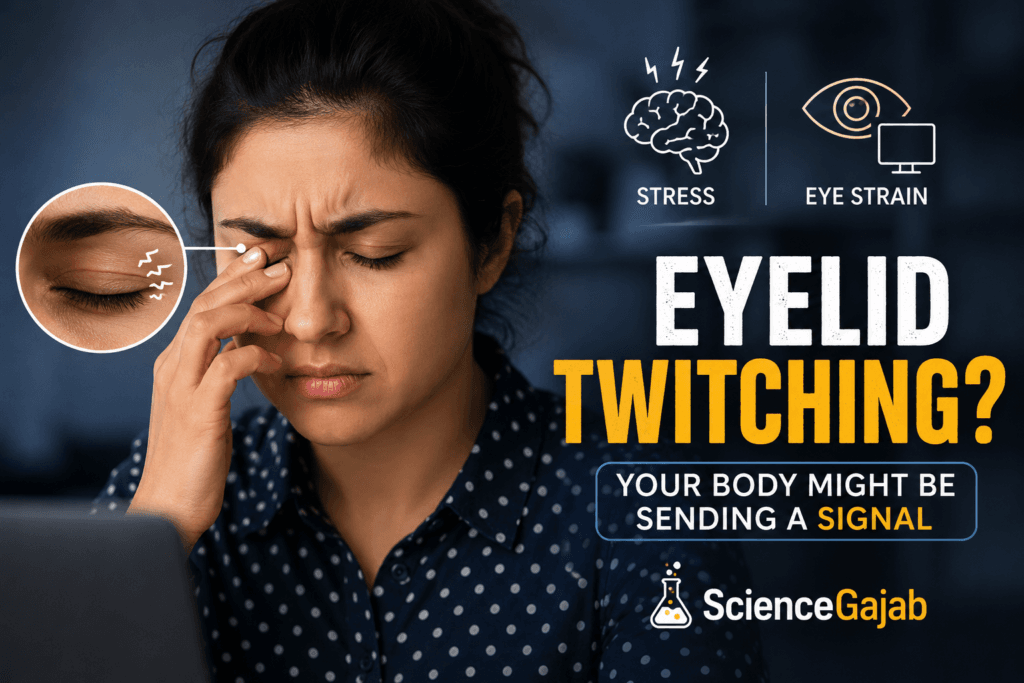
Eye twitching is very common and usually harmless.
A person may suddenly notice:
- Eyelid jumping
- Small muscle spasms
- Rapid flickering near the eye
- Repeated eyelid movement
Most twitching affects:
- Lower eyelid
- One eye at a time
The twitch may last:
- A few seconds
- Several minutes
- Sometimes days
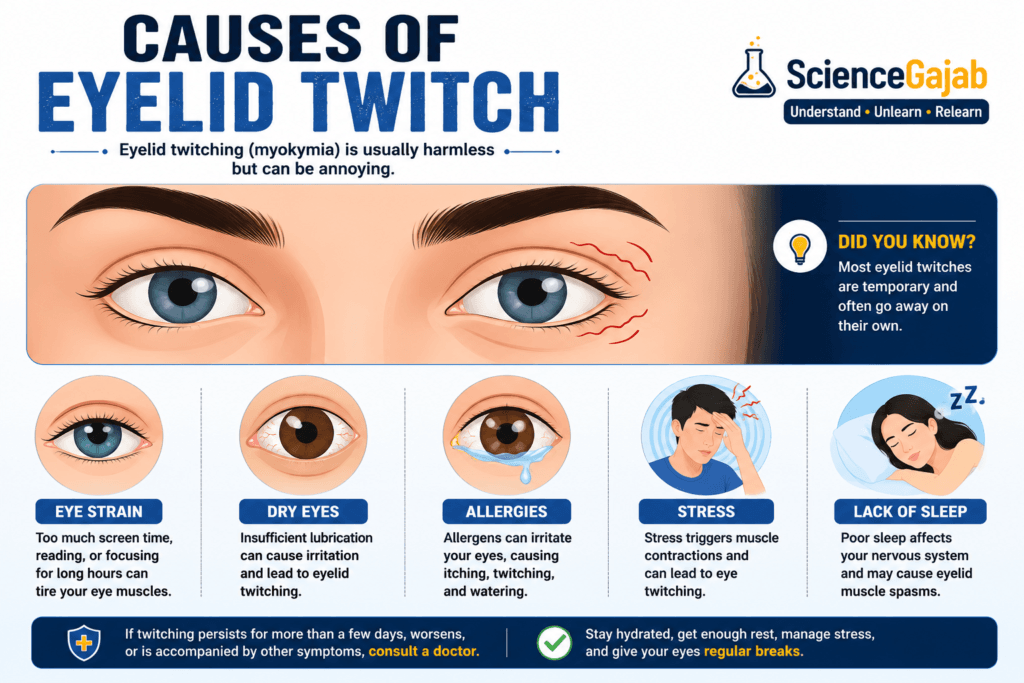
In many cases, eye twitching happens because of:
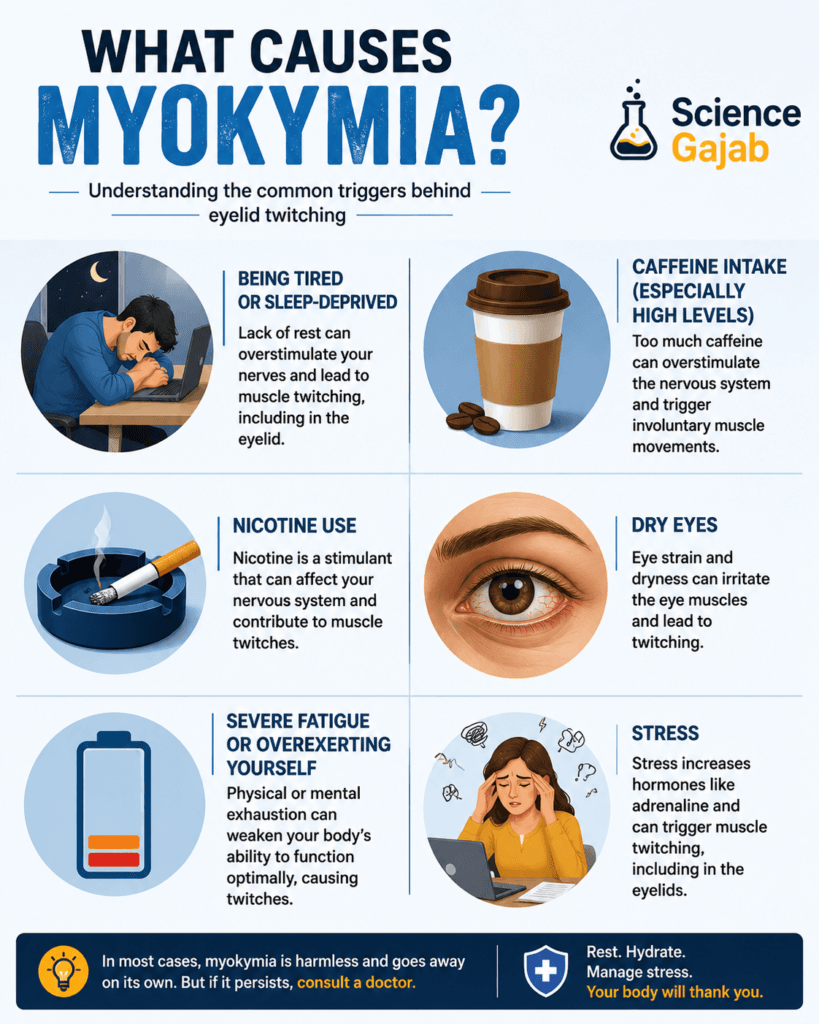
- Stress
- Fatigue
- Lack of sleep
- Excess screen time
- Too much caffeine
Rarely, persistent twitching may be linked to nerve or brain disorders.
In this article, we’ll explain:
- Why eyes twitch
- Common harmless causes
- Serious causes
- Warning signs
- Treatment and prevention
Everything is explained in simple human language.
Why So Many People Need Glasses Today
What Is Eye Twitching?
Eye twitching is an involuntary spasm of eyelid muscles.
Doctors often call this:
{Myokymia}
Usually it affects only the eyelid muscles, not the eyeball itself.
Why Eye Twitching Happens
Tiny muscles around the eye may become overactive due to:
- Fatigue
- Nerve irritation
- Stress hormones
- Eye strain
This creates repetitive muscle contractions.
Most Common Causes of Eye Twitching
1. Stress and Anxiety
Stress is one of the leading causes.
Anxiety increases nerve and muscle activity.
Many people notice twitching during:
- Emotional stress
- Mental exhaustion
- Anxiety
2. Lack of Sleep
Poor sleep commonly triggers eyelid spasms.
Sleep deprivation increases nerve sensitivity and muscle fatigue.
Symptoms
- Heavy eyes
- Twitching
- Eye irritation
3. Excess Screen Time
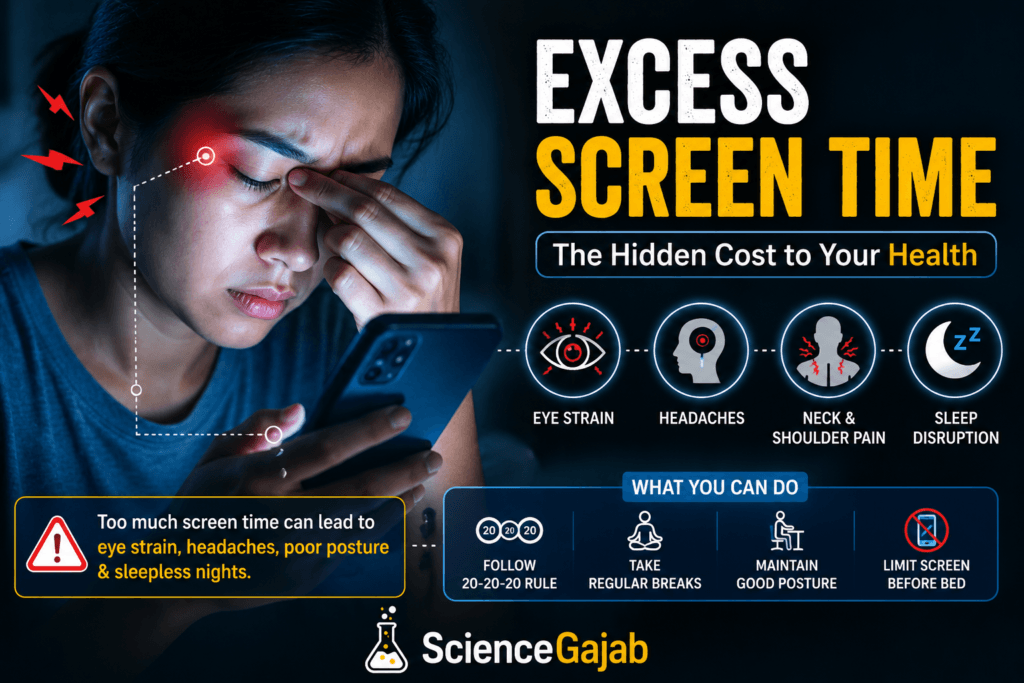
Long mobile or computer use strains eye muscles.
This may cause:
- Eye fatigue
- Dry eyes
- Twitching
4. Too Much Caffeine
Excess caffeine may overstimulate nerves and muscles.
Common triggers:
- Coffee
- Energy drinks
- Excess tea
5. Eye Strain
Reading for long periods or poor vision correction may overwork eye muscles.
Possible causes:
- Incorrect glasses
- Bright screens
- Poor lighting
Why Do Eyes Feel Heavy? (Simple Explanation You Can Trust)
6. Dry Eyes
Dry irritated eyes may trigger eyelid spasms.
Common in:
- Screen users
- Elderly people
- Contact lens users
7. Fatigue and Overwork
Physical exhaustion may worsen muscle twitching throughout the body, including eyelids.
8. Vitamin and Mineral Deficiency
Low levels of:
- Magnesium
- Vitamin B12
- Potassium
may contribute to muscle twitching.
🚨 Early Signs of Vitamin B12 Deficiency — Don’t Ignore These Warning Signals!
9. Allergies
Eye allergies may cause:
- Itching
- Rubbing
- Twitching
10. Smoking and Alcohol
These may irritate nerves and worsen twitching.
11. Certain Medicines
Some medications affecting the nervous system may trigger muscle spasms.
12. Neurological Disorders (Rare)
Rarely, persistent severe twitching may indicate nerve disorders.
Examples include:
- Hemifacial spasm
- Parkinson’s disease
- Multiple sclerosis
Usually accompanied by additional neurological symptoms.
Neural Control and Coordination Explained (With Easy Diagrams + Examples)
Why Eye Twitching Gets Worse at Night
Symptoms often worsen because:
- Eyes become tired
- Stress accumulates
- Dryness increases
Why Do Onions Make You Cry? The Shocking Science 99% People Don’t Know😳
Why One Eye Twitches More Than the Other
Usually because:
- One eye is more strained
- Uneven muscle fatigue occurs
- Local irritation affects one side
Can Anxiety Really Cause Eye Twitching?
Yes.
Stress hormones increase muscle excitability, making twitching more likely.
Difference Between Normal Twitching and Serious Twitching
| Common Twitching | Serious Twitching |
|---|---|
| Mild eyelid spasm | Whole face involvement |
| Temporary | Persistent severe spasms |
| Stress-related | Neurological symptoms |
Warning Signs You Should Not Ignore
Seek medical evaluation if twitching:
- Lasts for weeks
- Spreads to face
- Causes eyelid closure
- Occurs with weakness
- Causes vision changes
Can Vitamin Deficiency Cause Eye Twitching?
Yes.
Magnesium and vitamin B12 deficiencies may affect muscle and nerve function.
These 10 Symptoms Mean Your Immune System Is Failing 😨
Why Lack of Sleep Triggers Twitching
Sleep helps muscles and nerves recover.
Without enough rest:
- Muscle fatigue increases
- Nerves become more sensitive
How Doctors Diagnose Persistent Twitching
Doctors may evaluate:
- Vision
- Stress levels
- Sleep habits
- Neurological function
- Vitamin levels
Treatment Depends on the Cause
1. Better Sleep
Most important step.
2. Reduce Screen Time
Helps eye muscles relax.
3. Manage Stress
Relaxation often improves twitching.
4. Limit Caffeine
Reduces nerve stimulation.
5. Treat Dry Eyes
Artificial tears may help.
Chemical Coordination & Integration Explained Simply (Endocrine System, Hormones, Functions)
Home Tips to Stop Eye Twitching
1. Follow the 20-20-20 Rule
Every 20 minutes:
- Look 20 feet away
- For 20 seconds
2. Stay Hydrated
Supports muscle function.
3. Sleep Properly
Reduces nerve fatigue.
4. Avoid Excess Coffee
Especially late at night.
5. Use Warm Compress
May relax eyelid muscles.
Foods That Support Nerve and Muscle Health
Helpful foods include:
- Nuts
- Bananas
- Eggs
- Green vegetables
- Fish
Interesting Facts About Eye Twitching
1. Stress Is One of the Biggest Triggers
2. Eye Twitching Is Usually Harmless
3. Sleep Deprivation Commonly Causes Eyelid Spasms
Frequently Asked Questions (FAQs)
Common causes include stress, lack of sleep, and eye strain.
Usually not, but persistent twitching should be evaluated.
Yes, stress commonly triggers muscle spasms.
Yes, magnesium and vitamin B12 deficiencies may contribute.
Sleep, stress reduction, hydration, and reducing screen time often help.
Final Thoughts
Eye twitching is extremely common and usually harmless.
Most cases are linked to:
- Stress
- Fatigue
- Lack of sleep
- Eye strain
- Excess caffeine
Simple lifestyle changes often improve symptoms quickly.
However, persistent twitching involving the face or associated with neurological symptoms should not be ignored.
Healthy sleep, stress control, and proper eye care are important for keeping eye muscles relaxed and healthy.
Medical Disclaimer
This article is for educational awareness only and does not replace professional medical advice, diagnosis, or treatment.
Sources & References
- American Academy of Ophthalmology
- Mayo Clinic educational resources
- Neurology educational references
- Standard physiology textbooks
Reviewed Topic
Educational overview of eye twitching, stress-related muscle spasms, eye strain, vitamin deficiencies, and eyelid nerve irritation explained in simple language for general readers.