
vitamin E deficiency symptoms
15 Vitamin E Deficiency Symptoms You Should Never Ignore (Early Warning Signs)
Reviewed by: ScienceGajab Medical Content Team
Reading Time: 14 Minutes
Last Updated: oct 2026
Quick Answer
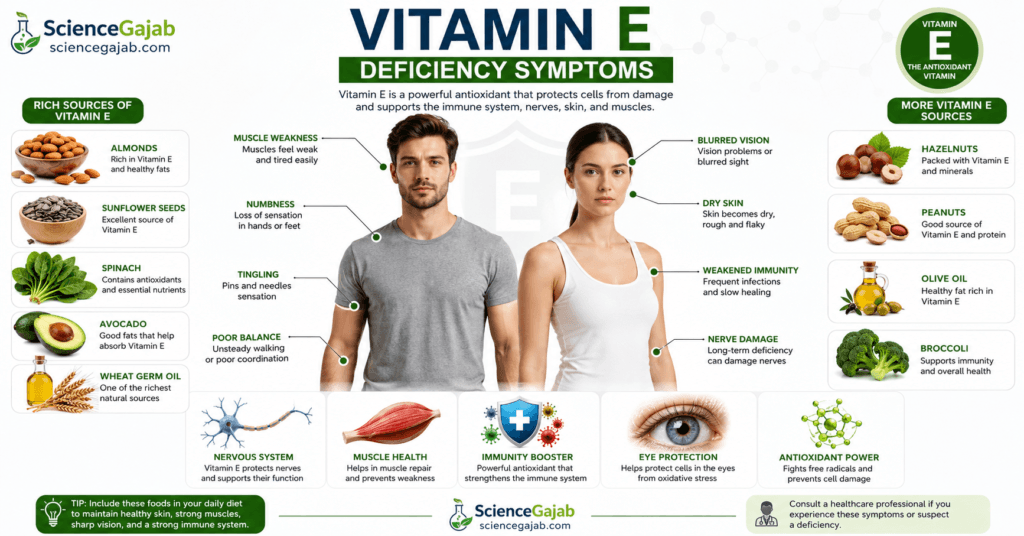
Vitamin E deficiency occurs when the body does not have enough vitamin E, a fat-soluble vitamin that acts as a powerful antioxidant. It protects cells from oxidative damage and supports the nervous system, immune function, muscles, eyes, and skin. Early symptoms may include muscle weakness, numbness, tingling, poor balance, vision problems, weakened immunity, and dry skin. If untreated, severe deficiency can lead to peripheral neuropathy, difficulty walking, muscle damage, and vision impairment.
Most people can prevent vitamin E deficiency through a balanced diet. People with fat absorption disorders may require medical treatment and supplements under professional supervision.
Table of Contents
- What Is Vitamin E?
- Why Is Vitamin E Important?
- Who Is at Risk?
- 15 Vitamin E Deficiency Symptoms
- Causes
- Risk Factors
- Diagnosis
- Treatment
- Best Vitamin E-Rich Foods
- Prevention
- FAQs
- Key Takeaways
What Is Vitamin E?
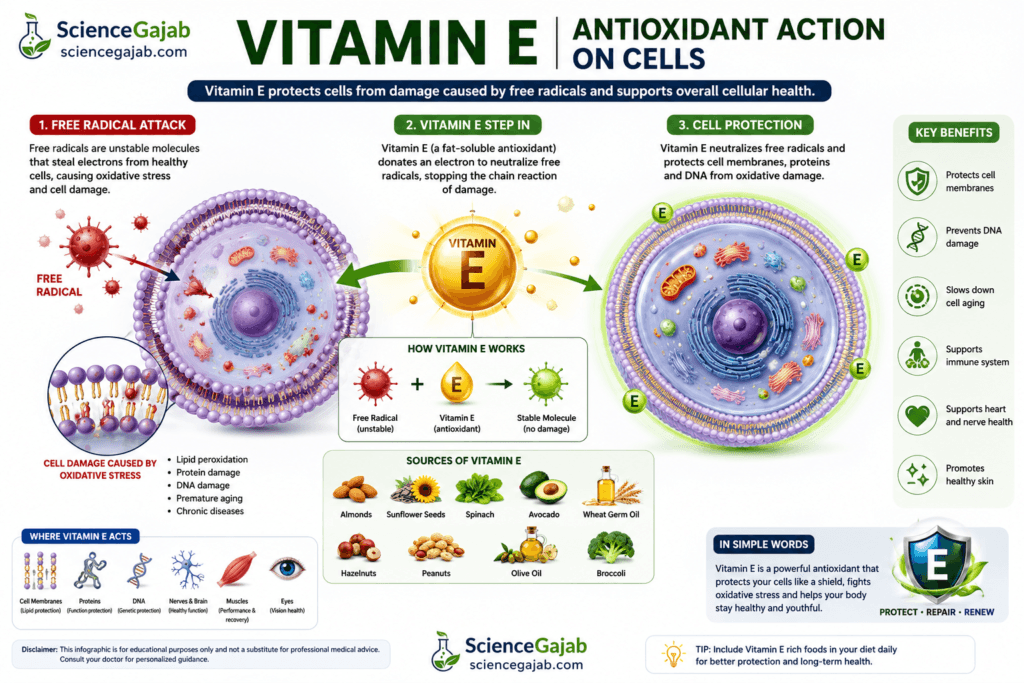
Vitamin E is a fat-soluble vitamin made up of a group of compounds called tocopherols and tocotrienols. The most biologically active form in humans is alpha-tocopherol.
Its primary role is to protect cells from damage caused by free radicals, unstable molecules produced during normal metabolism and exposure to pollution, smoking, and ultraviolet radiation.
Because vitamin E helps protect cell membranes, it is especially important for:
- Nerve cells
- Muscle cells
- Red blood cells
- Immune cells
- Eye tissues
Why Is Vitamin E Important?
Vitamin E contributes to many essential body functions.
It helps:
- Protect cells from oxidative stress
- Support healthy nerves
- Maintain muscle function
- Strengthen the immune system
- Support healthy skin
- Protect eye health
- Help red blood cells function normally
- Support reproductive health
Vitamin E works together with nutrients such as vitamin C, selenium, and healthy fats as part of the body’s antioxidant defense system.
Who Is Most at Risk?
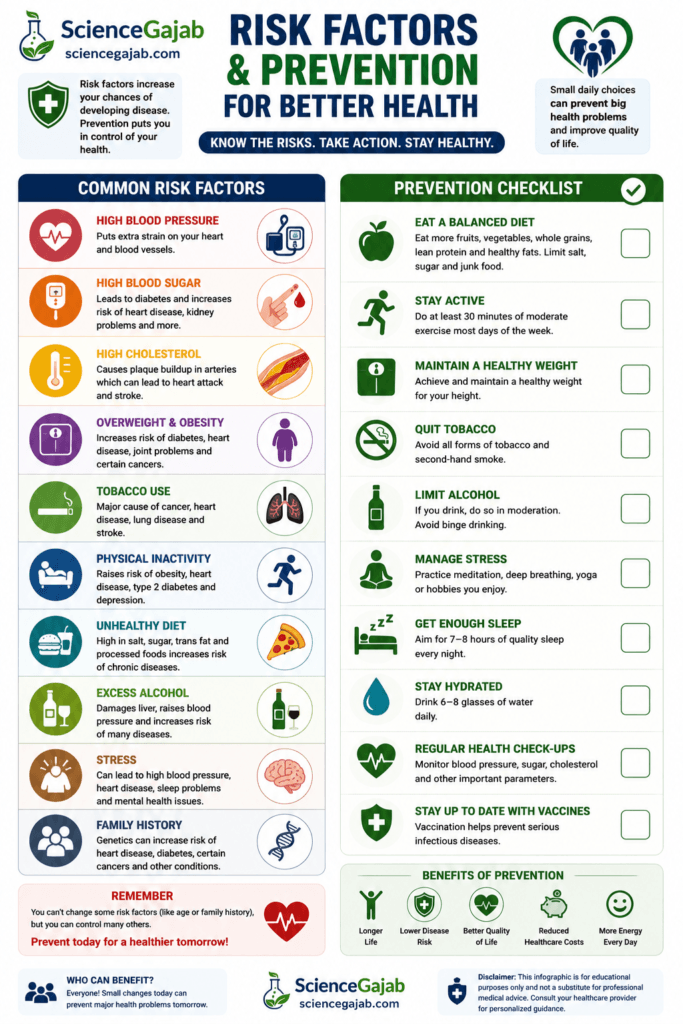
Vitamin E deficiency is uncommon in healthy people but is more likely in:
- People with Crohn’s disease
- Individuals with celiac disease
- People with cystic fibrosis
- Those with chronic pancreatitis
- Individuals with liver or bile duct disorders
- Premature infants with very low birth weight
- People who have undergone bariatric surgery
- Individuals with rare inherited disorders affecting vitamin E transport
Early Vitamin E Deficiency Symptoms
Symptoms often develop gradually because the body stores vitamin E in fatty tissues.
1. Muscle Weakness
One of the earliest symptoms is muscle weakness.
People may notice:
- Difficulty climbing stairs
- Reduced grip strength
- Feeling weak during routine activities
- Poor exercise tolerance
This occurs because vitamin E helps protect muscle cells from oxidative damage.
🏃♂️ How Your Body Moves: The Science of Locomotion & Movement in 5 Minutes– A Complete Guide
2. Numbness
Vitamin E is essential for healthy nerve function.
Deficiency may cause numbness in:
- Hands
- Feet
- Fingers
- Toes
Persistent numbness should always be evaluated because diabetes, vitamin B12 deficiency, and nerve disorders can produce similar symptoms.
Why Do Legs Become Numb While Sleeping? (Simple Explanation You Can Trust)
3. Tingling (Pins and Needles)
People often report:
- Tingling in fingers
- Tingling in toes
- Burning sensation
- “Pins and needles” feeling
These symptoms may indicate peripheral neuropathy, a condition affecting the peripheral nerves.
Numb Feet: Common Causes Explained – Symptoms, Warning Signs, and Treatment
4. Poor Balance and Coordination
Vitamin E helps maintain healthy nerve pathways that control movement.
Deficiency may lead to:
- Difficulty walking
- Unsteady gait
- Poor coordination
- Frequent stumbling
5. Difficulty Walking
As nerve and muscle function become affected, some people notice:
- Walking more slowly
- Difficulty climbing stairs
- Feeling unstable
- Needing support while walking
6. Blurred Vision
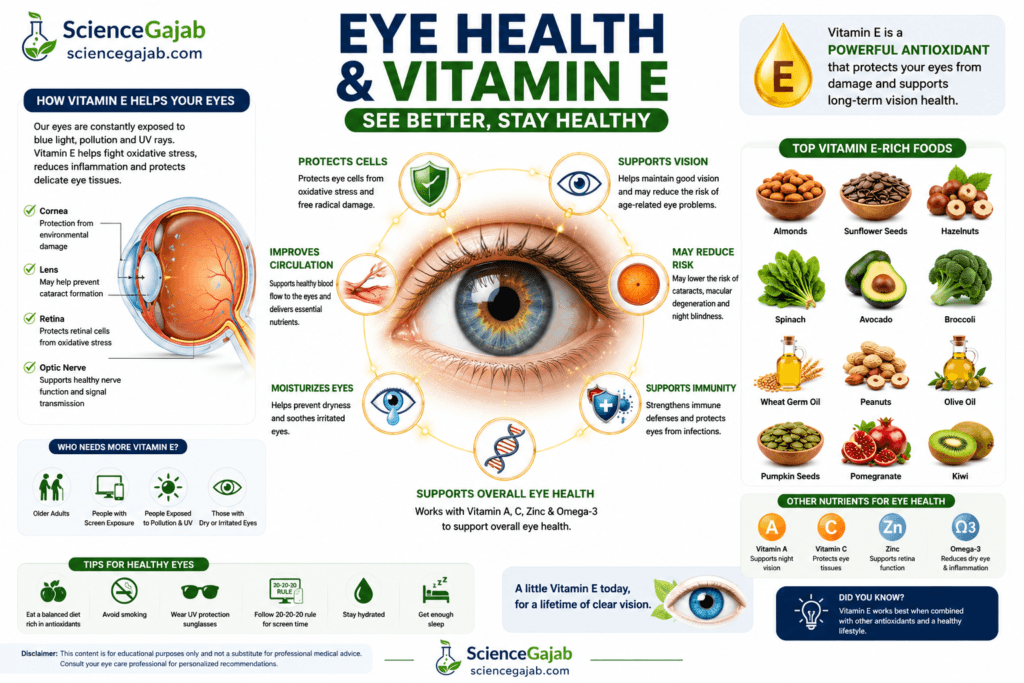
Vitamin E supports the health of retinal cells and other eye tissues.
Some individuals may experience:
- Blurred vision
- Difficulty focusing
- Reduced visual clarity
Vision changes should always be evaluated by an eye specialist.
Why So Many People Need Glasses Today
7. Eye Movement Problems
In severe cases affecting the nervous system, vitamin E deficiency may interfere with the muscles that control eye movements.
Symptoms can include:
- Difficulty tracking moving objects
- Double vision in rare cases
- Abnormal eye movements
These symptoms require prompt medical assessment.
15 Vitamin A Deficiency Symptoms You Should Never Ignore (Early Warning Signs)
8. Weakened Immune System
Vitamin E contributes to normal immune function.
Deficiency may be associated with:
- Frequent infections
- Longer recovery after illness
- Reduced ability to fight infections
Why Do Eyes Twitch? (Simple Explanation You Can Trust)
Doctor’s Tip
Muscle weakness, numbness, and balance problems are not always caused by vitamin E deficiency. Similar symptoms may result from vitamin B12 deficiency, diabetes, neurological disorders, thyroid disease, or medication side effects. A medical evaluation and appropriate laboratory tests are essential for an accurate diagnosis.
Did You Know?
Unlike many vitamin deficiencies, vitamin E deficiency is usually caused by problems absorbing fat rather than by simply eating too little vitamin E. Healthy people who eat a balanced diet rarely develop severe deficiency.
9. Peripheral Neuropathy
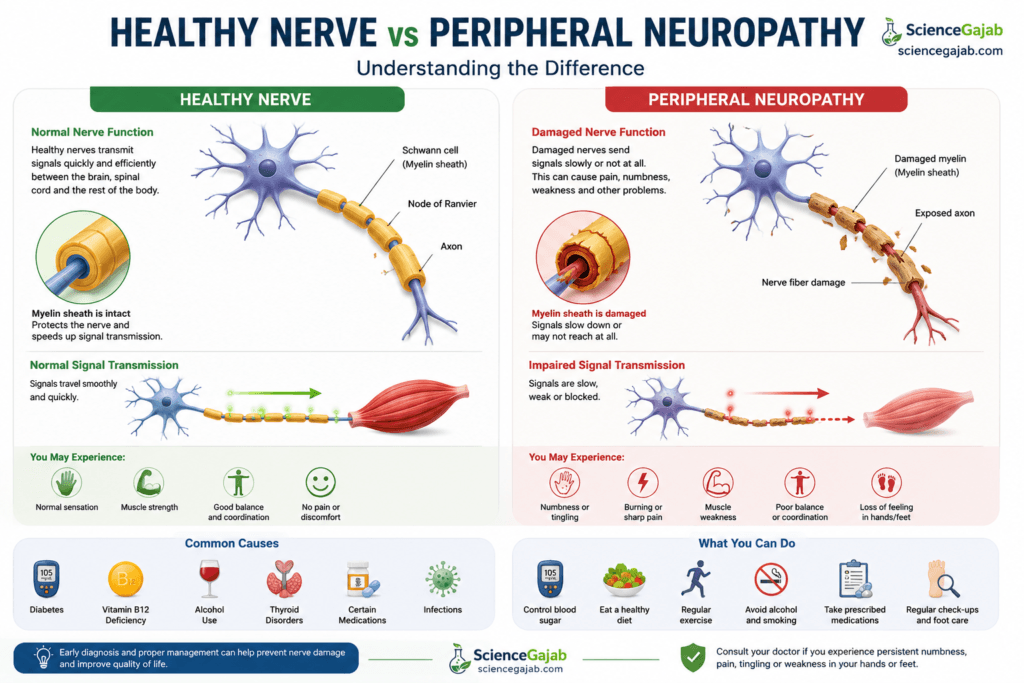
One of the most significant complications of long-term vitamin E deficiency is peripheral neuropathy, a condition in which the peripheral nerves become damaged.
Symptoms may include:
- Burning sensation in the hands or feet
- Reduced sensation
- Difficulty detecting temperature
- Weak reflexes
- Numbness that gradually worsens
Without treatment, nerve damage may become permanent.
10. Loss of Reflexes
Vitamin E deficiency can interfere with communication between nerves and muscles.
People may notice:
- Reduced knee reflexes
- Slower responses during neurological examination
- Weak muscle control
Healthcare professionals may detect these changes during a physical examination.
Reflex Action Explained Simply: How Your Body Reacts Before You Even Think
11. Tremors
Some individuals develop:
- Fine hand tremors
- Shaking while holding objects
- Difficulty writing
- Poor hand coordination
Tremors have many possible causes, including neurological disorders and medication side effects.
12. Dry, Rough Skin
Vitamin E contributes to healthy skin by protecting skin cells from oxidative damage.
Deficiency may cause:
- Dry skin
- Rough patches
- Mild itching
- Reduced skin elasticity
crawling sensation on skin causes
13. Hair Thinning
Low vitamin E levels may contribute to:
- Hair thinning
- Increased hair shedding
- Dry, brittle hair
Hair loss is usually caused by multiple factors, including iron deficiency, hormonal disorders, genetics, and stress.
14. Difficulty Performing Fine Motor Tasks
People with nerve involvement may notice difficulty:
- Buttoning clothes
- Writing
- Typing
- Picking up small objects
These problems occur because vitamin E helps protect nerves that control precise movements.
Parts of the Human Brain and Their Functions Explained | Science Gajab
15. Progressive Muscle Damage
If vitamin E deficiency remains untreated for a long time, ongoing oxidative stress may contribute to muscle damage and worsening weakness.
Early treatment greatly reduces the risk of long-term complications.
Silent Signs of Heart Disease You Should Never Ignore
Common Causes of Vitamin E Deficiency
1. Fat Malabsorption Disorders
Vitamin E is absorbed together with dietary fat.
Conditions that reduce fat absorption include:
- Crohn’s disease
- Celiac disease
- Cystic fibrosis
- Chronic pancreatitis
- Short bowel syndrome
2. Liver and Biliary Disorders
Diseases affecting bile production or liver function may reduce vitamin E absorption.
Examples include:
- Chronic liver disease
- Cholestatic liver disease
- Bile duct obstruction
Functions of the Spleen: Structure, Roles, and Why This Organ Is Important
3. Bariatric Surgery
Some weight-loss procedures reduce absorption of fat-soluble vitamins, including vitamin E.
4. Rare Genetic Disorders
Rare inherited conditions, such as Ataxia with Vitamin E Deficiency (AVED), impair vitamin E transport and require lifelong medical management.
5. Premature Birth
Premature infants have lower vitamin E stores and may be at increased risk, especially if they have very low birth weight.
Why Do Moles Appear? Causes, Types, Warning Signs & When to See a Doctor
Risk Factors
People more likely to develop vitamin E deficiency include:
- Individuals with chronic digestive disorders
- Patients with liver disease
- People after bariatric surgery
- Premature infants
- Individuals with inherited disorders affecting vitamin E metabolism
- People with prolonged fat malabsorption
Can Low Vitamins Damage Nerves? (Simple Explanation You Can Trust)
How Is Vitamin E Deficiency Diagnosed?
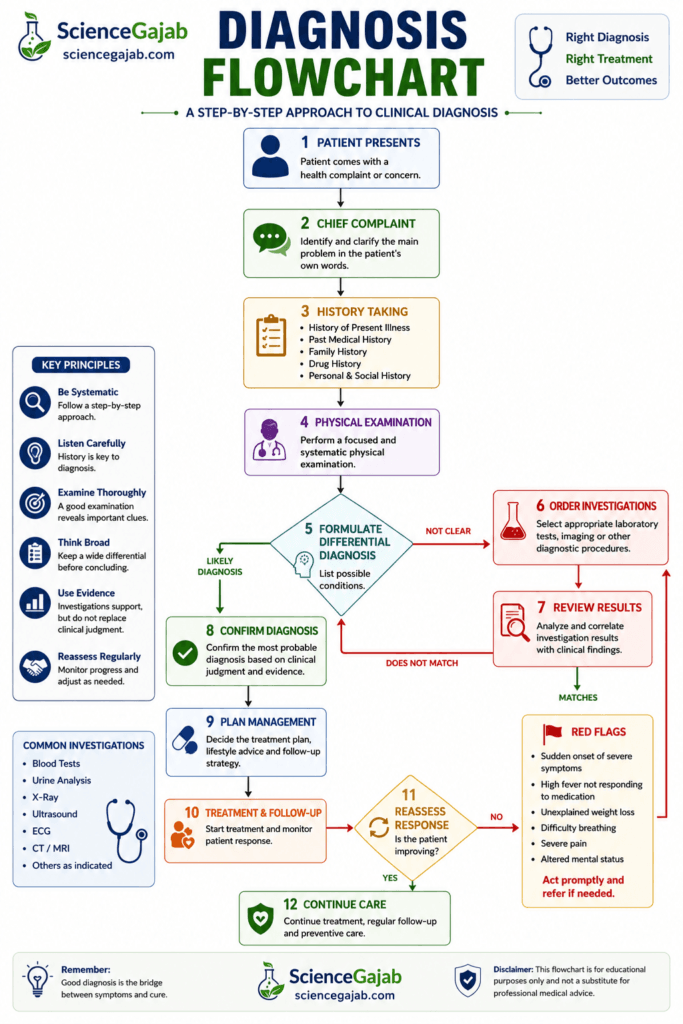
A healthcare professional may recommend:
Medical History
Questions about:
- Diet
- Digestive disorders
- Previous surgeries
- Neurological symptoms
- Family history
Physical Examination
The doctor may assess:
- Muscle strength
- Balance
- Walking pattern (gait)
- Reflexes
- Eye movements
- Skin health
Laboratory Tests
Tests may include:
- Serum alpha-tocopherol (vitamin E) level
- Lipid profile (to interpret vitamin E levels correctly)
- Liver function tests
- Additional investigations depending on the suspected cause
Neurological Assessment
If nerve damage is suspected, further evaluation may include:
- Nerve conduction studies
- Electromyography (EMG)
- Brain or spinal imaging in selected cases
Can Vitamin E Deficiency Be Treated?
Yes.
Treatment depends on:
- Severity of deficiency
- Underlying cause
- Presence of neurological symptoms
Most people improve with appropriate treatment, especially when deficiency is detected early.
Symptoms of Low Vitamins in Women (Early Signs You Should Never Ignore)
Treatment Options
1. Increase Vitamin E-Rich Foods
Natural dietary sources include:
- Almonds
- Sunflower seeds
- Hazelnuts
- Wheat germ oil
- Spinach
- Avocados
- Olive oil
- Peanuts
- Broccoli
2. Vitamin E Supplements
Healthcare professionals may prescribe vitamin E supplements for confirmed deficiency.
The dose varies depending on the cause and severity.
High-dose supplements should not be taken without medical supervision because they may interact with medications such as blood thinners.
3. Treat the Underlying Cause
Long-term management focuses on treating disorders that reduce fat absorption or vitamin E transport.
30 Best Vitamin E-Rich Foods
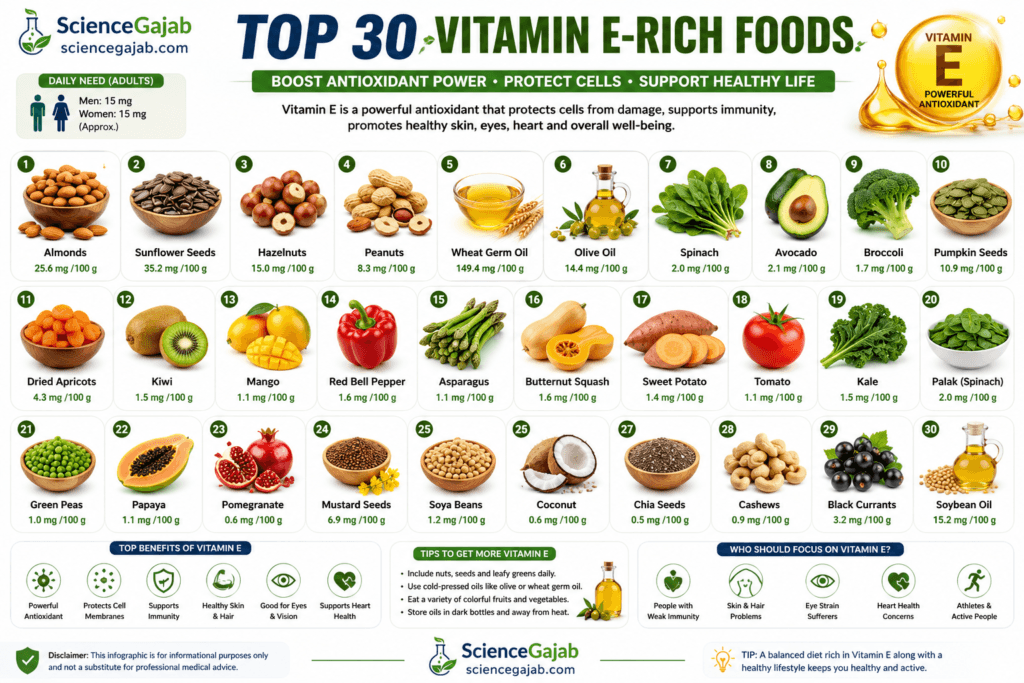
Nuts & Seeds
- Sunflower seeds
- Almonds
- Hazelnuts
- Pine nuts
- Peanuts
- Pumpkin seeds
Vegetable Oils
- Wheat germ oil
- Sunflower oil
- Safflower oil
- Olive oil
- Canola oil
Vegetables
- Spinach
- Swiss chard
- Broccoli
- Kale
- Beet greens
- Asparagus
Fruits
- Avocado
- Kiwi
- Mango
- Papaya
- Blackberries
Seafood
- Salmon
- Rainbow trout
- Shrimp
Other Sources
- Egg yolk
- Fortified breakfast cereals
- Tofu
- Soybeans
- Peanut butter
Signs of Anemia: 15 Warning Symptoms You Should Never Ignore
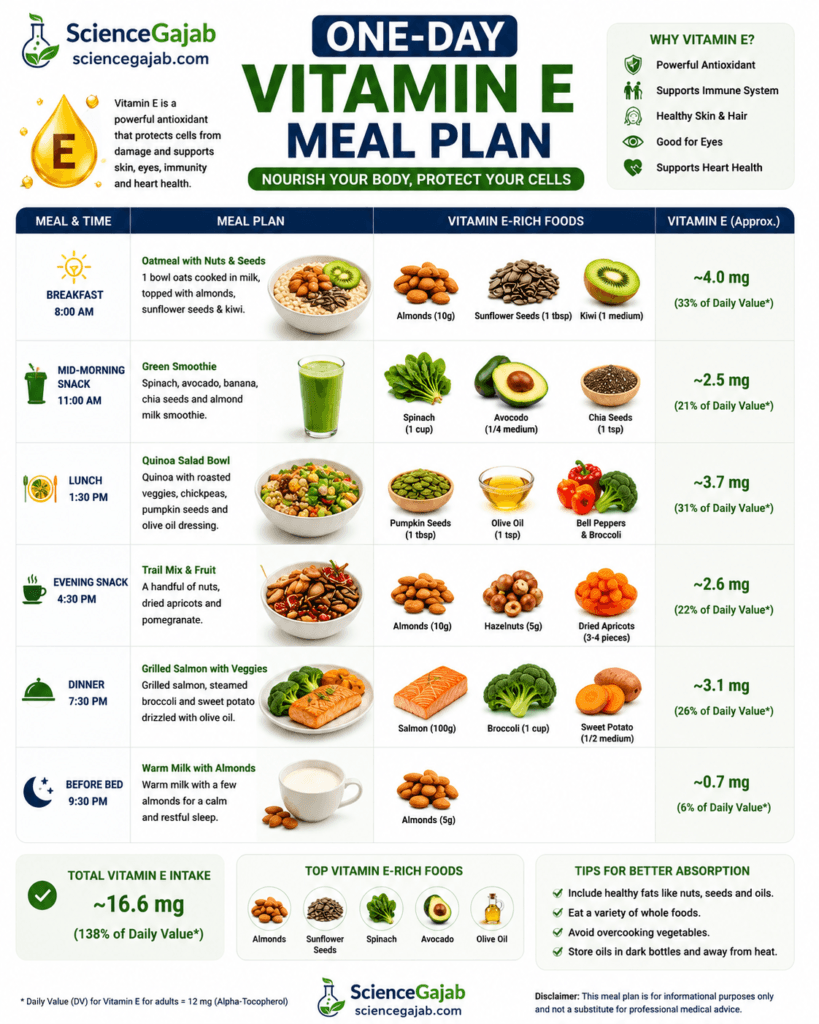
Daily Vitamin E Requirements
| Group | Recommended Daily Intake |
|---|---|
| Adult Men | 15 mg |
| Adult Women | 15 mg |
| Pregnant Women | 15 mg |
| Breastfeeding Women | 19 mg |
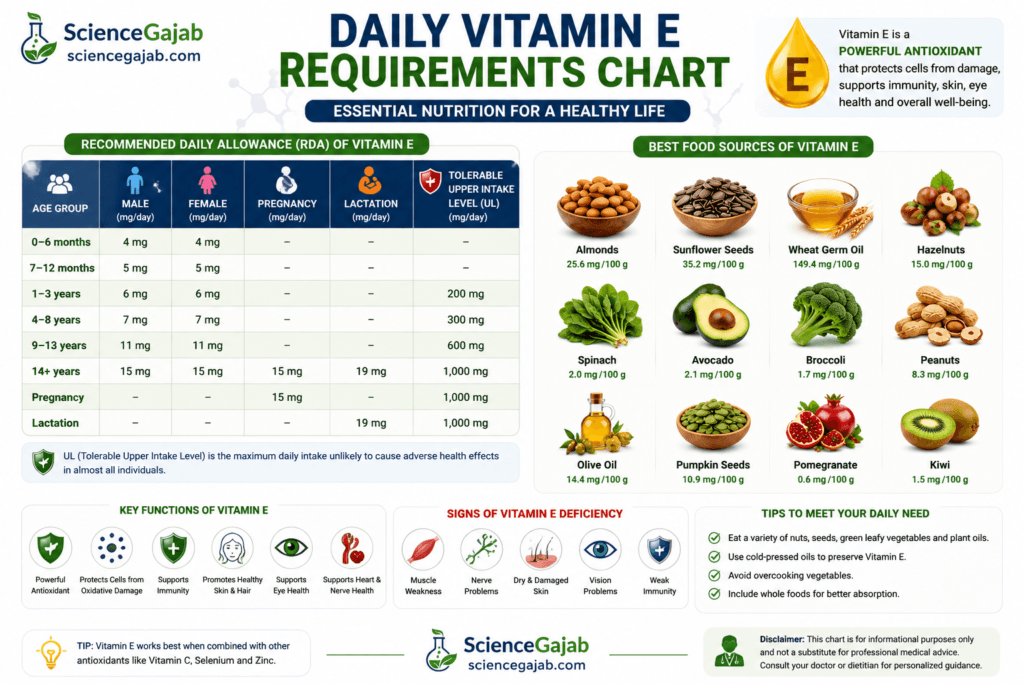
Sample One-Day Vitamin E Meal Plan
Breakfast
- Oatmeal with almonds
- Kiwi
- Low-fat milk
Mid-Morning Snack
- Sunflower seeds
Lunch
- Spinach salad
- Whole wheat chapati
- Lentil curry
- Avocado slices
Evening Snack
- Peanut butter on whole-grain toast
Dinner
- Grilled salmon (or tofu)
- Broccoli
- Brown rice
Prevention Tips
1✔ Eat nuts and seeds regularly.
2✔ Include healthy vegetable oils in moderation.
3✔ Eat green leafy vegetables daily.
4✔ Treat digestive disorders promptly.
5✔ Take supplements only if prescribed.
Frequently Asked Questions
Muscle weakness, numbness, tingling, or poor balance may be among the earliest symptoms.
Yes. Long-term deficiency can lead to peripheral neuropathy.
Sunflower seeds, almonds, wheat germ oil, hazelnuts, spinach, and avocados.
Yes. Severe deficiency may contribute to vision problems and abnormal eye movements.
No. It is uncommon in healthy people but more likely in those with fat malabsorption disorders.
Yes. Nuts, seeds, vegetable oils, spinach, avocado, and broccoli are excellent plant sources.
Diagnosis usually involves a medical history, physical examination, and serum alpha-tocopherol testing.
High-dose supplements may increase the risk of bleeding and interact with certain medications. Use supplements only under medical guidance.
Most cases improve with early diagnosis, dietary changes, and appropriate treatment.
People with Crohn’s disease, celiac disease, cystic fibrosis, liver disease, bariatric surgery, and rare inherited disorders.
Key Takeaways
1✔ Vitamin E is essential for healthy nerves, muscles, eyes, skin, and immune function.
2✔ Early symptoms include muscle weakness, tingling, numbness, poor balance, and blurred vision.
3✔ Severe deficiency can lead to peripheral neuropathy and difficulty walking.
4✔ Sunflower seeds, almonds, wheat germ oil, spinach, avocado, and olive oil are excellent dietary sources.
5✔ Early diagnosis helps prevent permanent nerve damage.
“Could You Be Low in Vitamin E?” Checklist
- □ Muscle weakness
- □ Tingling in hands or feet
- □ Poor balance
- □ Blurred vision
- □ Dry skin
- □ Frequent infections
- □ Digestive disorder affecting fat absorption
- □ History of bariatric surgery
Comparison Table
| Feature | Vitamin E Deficiency | Vitamin A Deficiency | Vitamin B12 Deficiency |
|---|---|---|---|
| Numbness/tingling | ✔ Common | Rare | ✔ Common |
| Muscle weakness | ✔ | Sometimes | ✔ |
| Night blindness | Rare | ✔ Common | Rare |
| Dry skin | ✔ | ✔ | Sometimes |
| Poor balance | ✔ | Rare | ✔ |
| Frequent infections | Sometimes | ✔ | Sometimes |