
: What Your Feet Reveal About Your Health
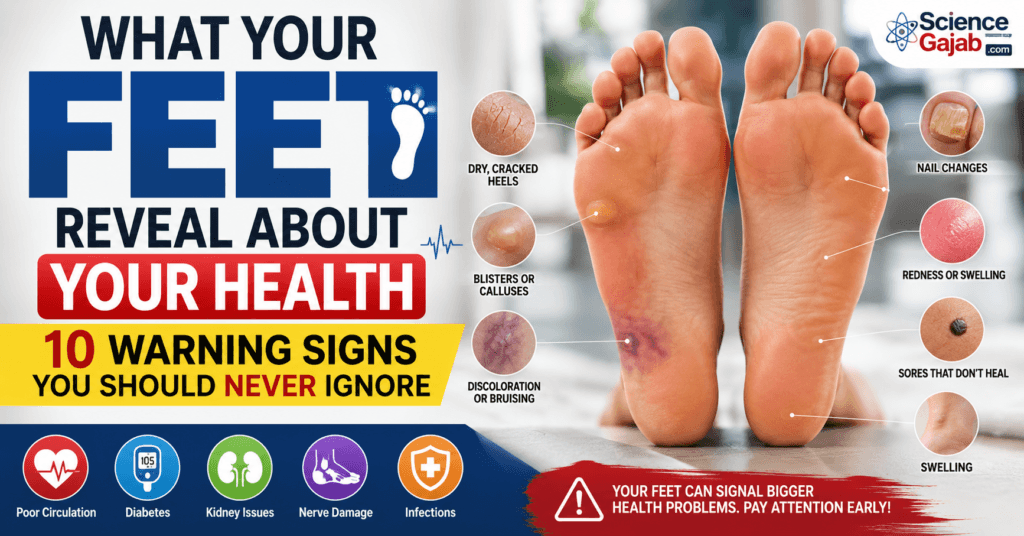
What Your Feet Reveal About Your Health: 10 Warning Signs You Should Never Ignore
Most people pay attention to their face, eyes, or skin when looking for signs of health problems. However, your feet can provide valuable clues about what is happening inside your body. Changes in foot color, temperature, sensation, or appearance may sometimes indicate circulation issues, nerve problems, vitamin deficiencies, or other medical conditions.
Your feet contain thousands of nerve endings and depend on a healthy supply of blood. Because they are far from the heart, they are often among the first body parts to show signs of underlying health problems.
In this article, we’ll explore what your feet reveal about your health and discuss 10 warning signs you should never ignore.
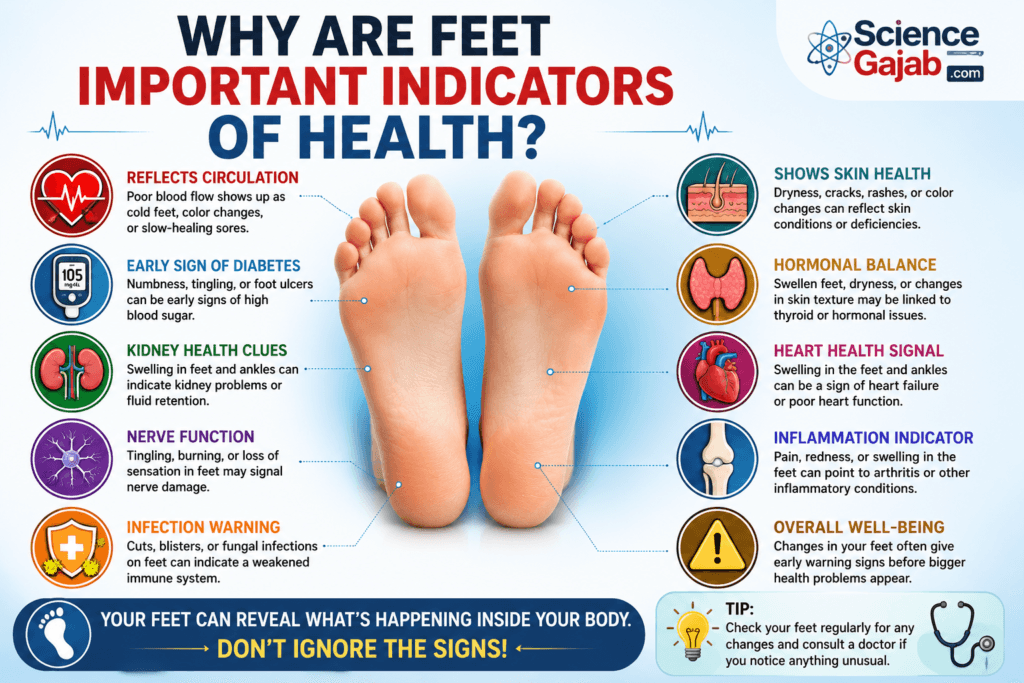
Why Are Feet Important Indicators of Health?
Your feet support your entire body weight and contain a complex network of blood vessels, nerves, muscles, and bones. Since blood must travel a long distance to reach the feet, circulation problems often become noticeable there first.
Similarly, conditions that affect nerves, blood flow, or metabolism can produce symptoms in the feet before they appear elsewhere.
Paying attention to changes in your feet may help identify health issues early and allow for timely treatment.
1. Cold Feet May Indicate Poor Circulation
Cold feet are common during winter, but persistently cold feet may indicate reduced blood flow.
Possible Causes:
- Poor circulation
- Peripheral artery disease
- Smoking-related vascular damage
- Low blood pressure
- Diabetes
Warning Signs:
- Feet remain cold even in warm environments
- Numbness or tingling
- Slow wound healing
- Pale or bluish skin
Poor circulation can reduce oxygen delivery to tissues and may require medical evaluation.
🚨 Early Signs of Vitamin B12 Deficiency — Don’t Ignore These Warning Signals!
2. Swollen Feet Could Signal Heart, Kidney, or Vein Problems
Occasional swelling after standing for long periods is normal. However, persistent swelling should not be ignored.
Possible Causes:
- Chronic venous insufficiency
- Varicose veins
- Heart failure
- Kidney disease
- Liver disorders
- Pregnancy
Symptoms to Watch:
- Swelling that worsens during the day
- Tight shoes
- Heavy legs
- Skin stretching
Persistent swelling may indicate fluid retention or poor blood return from the legs.
3. Numbness or Tingling May Suggest Nerve Damage

A “pins and needles” sensation that occurs occasionally is usually harmless. However, frequent numbness may indicate nerve-related problems.
Common Causes:
- Diabetes
- Vitamin B12 deficiency
- Nerve compression
- Peripheral neuropathy
- Alcohol-related nerve damage
Additional Symptoms:
- Burning sensation
- Reduced sensitivity
- Difficulty maintaining balance
- Muscle weakness
Early diagnosis may help prevent permanent nerve damage.
Numb Feet: Common Causes Explained – Symptoms, Warning Signs, and Treatment
4. Foot Color Changes Can Reveal Circulation Problems
The normal color of feet varies slightly among individuals. Significant changes in color may indicate underlying issues.
Pale Feet
May indicate:
- Anemia
- Reduced blood flow
- Low blood pressure
Blue Feet
May indicate:
- Poor oxygen levels
- Circulatory disorders
- Blood vessel constriction
Red Feet
May indicate:
- Inflammation
- Infection
- Circulation abnormalities
Persistent color changes deserve medical attention.
Why Do Feet Burn at Night? Causes, Warning Signs, and When to Worry
5. Burning Feet May Be a Warning Sign
Many people experience burning feet at night. While sometimes harmless, this symptom can occasionally indicate an underlying condition.
Possible Causes:
- Peripheral neuropathy
- Diabetes
- Vitamin deficiencies
- Kidney disease
- Nerve injury
Warning Symptoms:
- Pain that worsens at night
- Tingling sensations
- Increased sensitivity
Burning feet that occur regularly should be evaluated by a healthcare professional.
6. Slow-Healing Wounds May Indicate Diabetes
One of the most important signs visible on the feet is poor wound healing.
Small cuts and blisters should normally heal within a reasonable period. When wounds persist for weeks, it may indicate:
Possible Causes:
- Diabetes
- Poor circulation
- Immune system problems
- Infection
Red Flags:
- Ulcers
- Persistent redness
- Drainage or pus
- Increasing pain
Ignoring foot wounds can lead to serious complications.
Signs of Diabetes Visible on Feet: 10 Warning Signs You Should Never Ignore
7. Cracked Heels May Reflect More Than Dry Skin
Cracked heels are often caused by dry skin, but they can sometimes indicate deeper issues.
Potential Causes:
- Dehydration
- Diabetes
- Thyroid disorders
- Nutritional deficiencies
Signs to Watch:
- Deep cracks
- Bleeding
- Pain while walking
- Recurring dryness
Proper hydration and foot care may help, but persistent problems should be assessed medically.
Cracked Heels and Health Conditions: What Your Feet May Be Telling You
8. Thick or Discolored Toenails Could Signal Health Problems
Toenails can reveal important clues about overall health.
Yellow Nails
May suggest:
- Fungal infection
- Chronic respiratory conditions
Thickened Nails
May indicate:
- Aging
- Fungal infection
- Repeated trauma
Brittle Nails
May suggest:
- Iron deficiency
- Nutritional deficiencies
Changes that persist for several months should be examined by a healthcare provider.
What Toenail Changes Reveal About Health: 12 Warning Signs You Should Never Ignore
9. Foot Pain Without Injury Should Not Be Ignored
Foot pain often develops after physical activity or injury. However, unexplained pain may indicate an underlying health condition.
Possible Causes:
- Arthritis
- Gout
- Nerve disorders
- Circulation problems
- Stress fractures
Seek Medical Attention If:
- Pain is severe
- Pain worsens over time
- Swelling accompanies pain
- Walking becomes difficult
Persistent foot pain should never be dismissed as normal aging.

10. Loss of Hair on the Feet May Signal Poor Blood Flow
Many people are surprised to learn that reduced hair growth on the feet and lower legs can sometimes indicate circulation problems.
Why It Happens:
Hair follicles require oxygen-rich blood to remain healthy. Reduced circulation may cause hair growth to slow or stop.
Associated Symptoms:
- Cold feet
- Shiny skin
- Slow wound healing
- Weak pulses in the feet
This symptom is commonly associated with peripheral artery disease.
The Real Reason Your Hair Turns Gray (It’s Not Just Aging)
How to Keep Your Feet Healthy
Healthy feet often reflect healthy circulation and nerve function.
Tips for Better Foot Health
1✔ Inspect your feet daily
2✔ Wear properly fitted shoes
3✔ Stay physically active
4✔ Maintain a healthy weight
5✔ Control blood sugar levels
6✔ Avoid smoking
7✔ Stay hydrated
8✔ Moisturize dry skin
9✔ Seek treatment for persistent symptoms
These habits can help prevent many common foot-related complications.
Purple Feet and Poor Circulation: Causes, Warning Signs, and When to Seek Medical Help
When Should You See a Doctor?
Seek medical advice if you experience:
- Persistent swelling
- Foot ulcers
- Numbness lasting several days
- Severe pain
- Sudden color changes
- Burning sensations
- Signs of infection
- Difficulty walking
Early evaluation often leads to better outcomes and can help prevent complications.
Tingling in Hands and Feet: Causes, Symptoms & When to Worry
Frequently Asked Questions
Can feet reveal serious health problems?
Yes. Changes in foot appearance, sensation, or circulation may sometimes indicate conditions such as diabetes, nerve disorders, or vascular disease.
Are cold feet always a sign of poor circulation?
Not necessarily. Temperature, stress, and genetics can contribute, but persistent cold feet may require evaluation.
Why do diabetic patients need foot examinations?
Diabetes can damage nerves and blood vessels, increasing the risk of foot injuries, infections, and ulcers.
Is foot swelling normal?
Temporary swelling can occur after prolonged standing. Persistent swelling should be assessed by a healthcare professional.
Can vitamin deficiencies affect the feet?
Yes. Deficiencies such as vitamin B12 deficiency may contribute to numbness, tingling, and nerve-related symptoms.
Conclusion
Your feet do much more than help you walk. They can provide valuable clues about your overall health. Symptoms such as swelling, numbness, color changes, slow-healing wounds, and persistent pain may sometimes indicate circulation problems, nerve disorders, diabetes, or other medical conditions.
By paying attention to these warning signs and seeking medical advice when needed, you may identify potential health issues earlier and take steps to protect your long-term well-being.
The next time you look at your feet, remember that they may be telling you more about your health than you realize.
Medically Reviewed & Fact-Checked
This article has been reviewed for medical accuracy and is based on information from reputable healthcare organizations and medical literature. ScienceGajab aims to provide clear, evidence-based health information that helps readers better understand their symptoms and make informed decisions about when to seek professional medical care.
Medical Disclaimer: This content is for educational and informational purposes only. It is not intended to diagnose, treat, cure, or prevent any disease and should not replace advice from a qualified healthcare professional. If you experience severe, sudden, persistent, or worsening foot symptoms, consult a doctor promptly.
Last Updated: August 2026
Reviewed by: ScienceGajab Editorial Team