
Early Signs of Malaria
Early Signs of Malaria: Symptoms You Should Never Ignore
Malaria is a life-threatening mosquito-borne disease that affects millions of people every year, especially in tropical countries like India. The disease is caused by Plasmodium parasites, which are transmitted through the bite of infected female Anopheles mosquitoes.
Recognizing the early signs of malaria can help ensure prompt treatment, reduce complications, and even save lives.
In this ScienceGajab guide, you’ll learn everything about the early symptoms of malaria, warning signs, diagnosis, treatment, prevention, and frequently asked questions.
What Is Malaria?
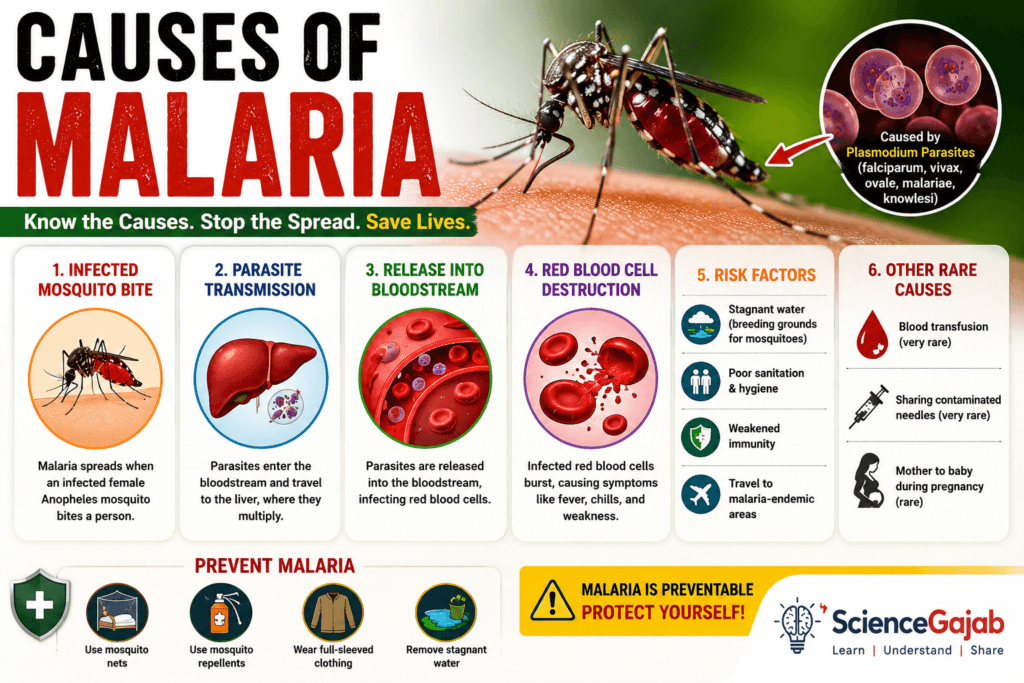
Malaria is a parasitic infection that enters the bloodstream through the bite of an infected mosquito. Once inside the body, the parasites travel to the liver, multiply, and then infect red blood cells, causing fever and other symptoms.
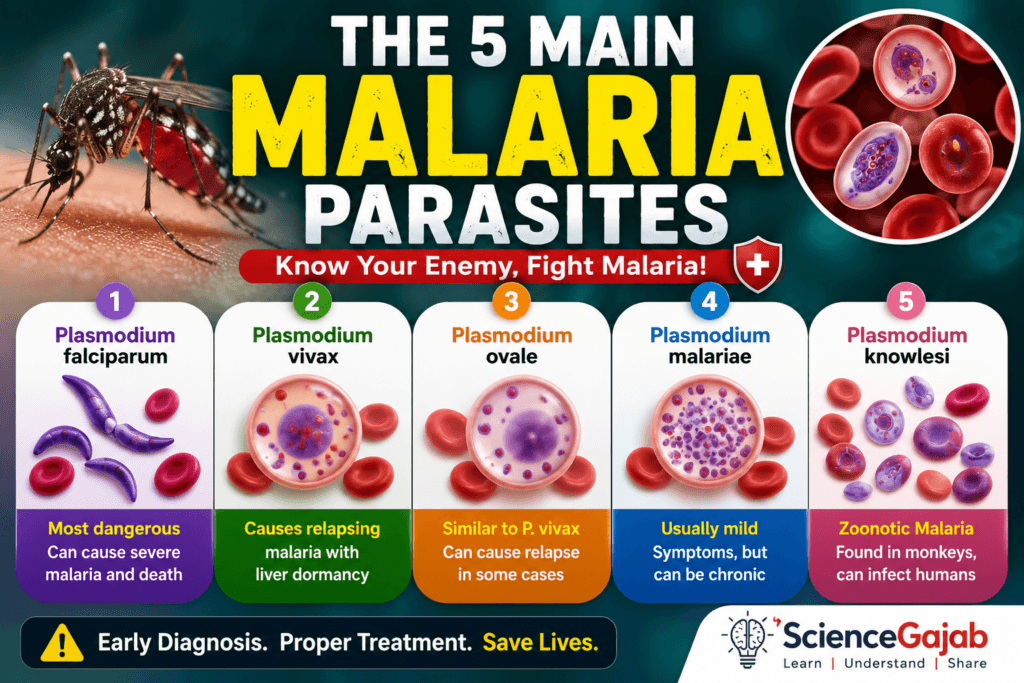
The five main malaria parasites affecting humans are:
- Plasmodium falciparum (most dangerous)
- Plasmodium vivax (common in India)
- Plasmodium malariae
- Plasmodium ovale
- Plasmodium knowlesi
🦟 Malaria: The Most Lethal Parasitic Disease Affecting Humans Worldwide
Early Signs of Malaria
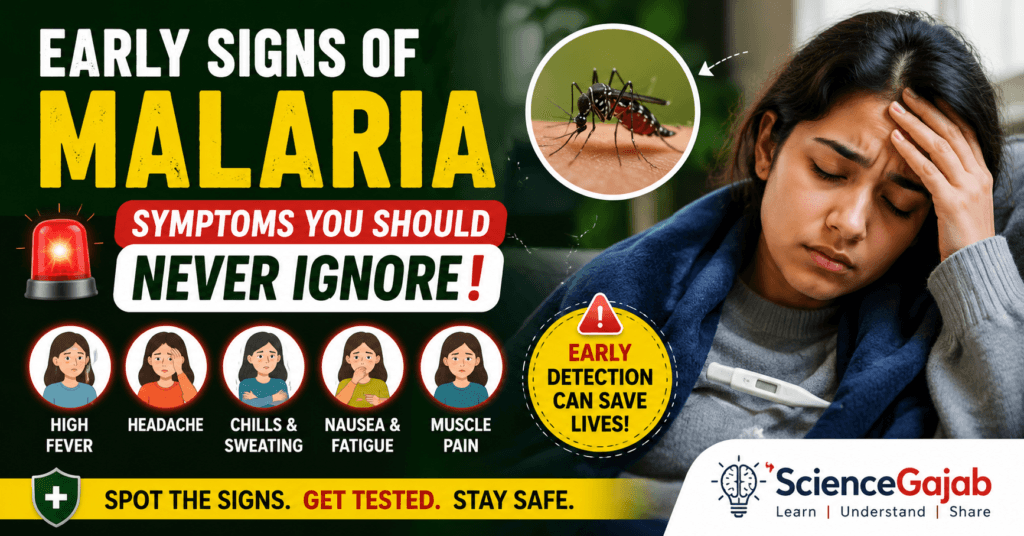
The symptoms usually begin 7–30 days after an infected mosquito bite, although the exact timing depends on the parasite species.
1. Fever
The earliest and most common symptom is fever.
Initially, the fever may resemble viral flu before becoming periodic.
Symptoms include:
- High temperature
- Fever that comes and goes
- Sudden onset
2. Chills and Shivering
Many patients experience intense chills before the fever starts.
You may notice:
- Violent shivering
- Feeling extremely cold
- Goosebumps
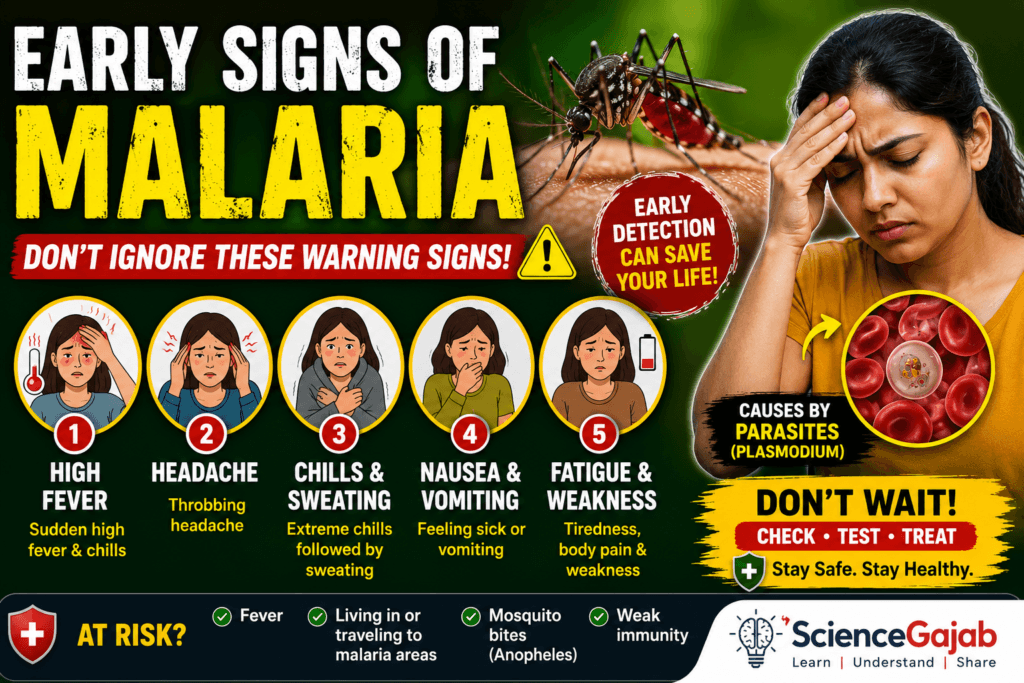
3. Excessive Sweating
After the fever breaks, heavy sweating commonly occurs.
This may cause:
- Wet clothes
- Fatigue
- Temporary relief from fever
4. Headache
Persistent headaches are among the earliest warning signs.
They may be:
- Moderate to severe
- Throbbing
- Associated with fever
5. Body and Muscle Pain
Malaria often causes:
- Muscle aches
- Joint pain
- Back pain
- General body weakness
Why Do Muscles Shake? The Hidden Reason Your Body Loses Control!
6. Extreme Fatigue
Many patients feel unusually tired even after adequate rest.
This happens because malaria destroys red blood cells, reducing oxygen delivery throughout the body.
Why Does Your Brain Feel Tired After Studying? The Science Behind Mental Fatigue
7. Nausea and Vomiting
Digestive symptoms can appear early.
These include:
- Nausea
- Vomiting
- Loss of appetite
8. Loss of Appetite
People with malaria often experience:
- Reduced hunger
- Difficulty eating
- Weight loss if illness continues
9. Mild Abdominal Pain
Some individuals report:
- Stomach discomfort
- Mild abdominal cramps
- Digestive upset
10. Dizziness
Reduced blood oxygen and dehydration may cause:
- Lightheadedness
- Dizziness
- Weakness
Why Your Brain Suddenly Makes You Feel Dizzy
11. Mild Anemia
As malaria parasites destroy red blood cells, patients may develop:
- Pale skin
- Weakness
- Breathlessness
Signs of Anemia: 15 Warning Symptoms You Should Never Ignore
12. Fast Heart Rate
During fever episodes, the heart may beat faster than normal.
13. General Feeling of Illness
Many patients simply describe feeling:
- Unwell
- Weak
- Exhausted
before severe symptoms appear.
Feeling Weak After Fever? Do This to Recover Faster (Doctor-Backed Guide)
How Malaria Progresses
Without treatment, malaria may rapidly become severe.
Warning signs include:
- Difficulty breathing
- Confusion
- Seizures
- Persistent vomiting
- Very low blood pressure
- Severe anemia
- Kidney failure
- Yellow eyes (jaundice)
- Loss of consciousness
These symptoms require immediate emergency medical care.
Functions of the Spleen: Structure, Roles, and Why This Organ Is Important
Why Early Diagnosis Matters
Early diagnosis can:
- Prevent severe malaria
- Reduce hospital admission
- Prevent organ damage
- Lower mortality risk
- Shorten recovery time
Who Is Most at Risk?
People at higher risk include:
- Children under 5 years
- Pregnant people
- older individuals
- People with weakened immune systems
- Travelers visiting malaria-endemic regions
- Residents of tropical and subtropical areas
Causes of Malaria
Malaria is transmitted through:
- Bite of infected female Anopheles mosquito
Rarely through:
- Blood transfusion
- Organ transplantation
- Shared needles
- Mother to baby during pregnancy
How Is Malaria Diagnosed?
Doctors may recommend:
Blood Smear Microscopy
The gold standard for identifying malaria parasites.
Rapid Diagnostic Test (RDT)
Provides quick results using parasite antigens.
Complete Blood Count (CBC)
May show:
- Low platelets
- Anemia
- Reduced white blood cells
What Are Platelets? Function, Normal Count, High & Low Platelet Levels Explained
Additional Tests
Depending on severity:
- Liver function tests
- Kidney function tests
- Blood sugar
- Electrolytes
Treatment for Malaria
Treatment depends on:
- Type of parasite
- Disease severity
- Drug resistance patterns
- Pregnancy status
Common medications include:
- Artemisinin-based combination therapy (ACT)
- Chloroquine (only where effective)
- Primaquine (for some species, after checking for G6PD deficiency)
- Intravenous artesunate for severe malaria
Never self-medicate. Treatment should always follow medical advice and local treatment guidelines.
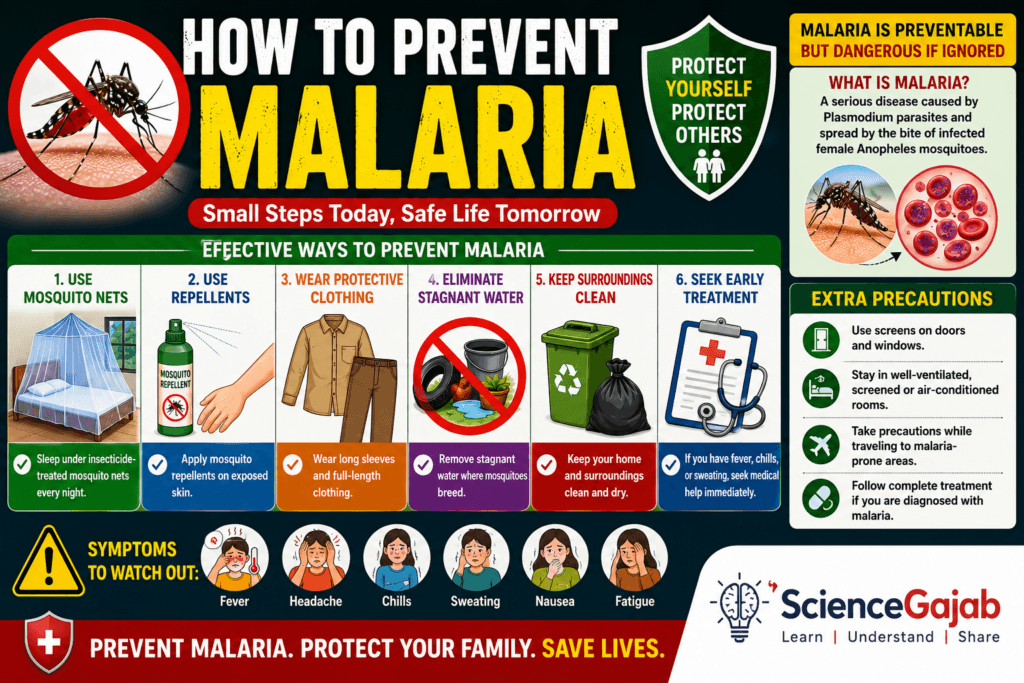
How to Prevent Malaria
Simple preventive measures include:
- Sleep under insecticide-treated mosquito nets.
- Use mosquito repellents containing DEET, picaridin, or IR3535 as directed.
- Wear full-sleeved clothing in the evening.
- Remove stagnant water around your home.
- Install window screens.
- Keep surroundings clean.
- Follow preventive medicines if advised before travel to high-risk regions.
When Should You See a Doctor?
Seek medical attention immediately if you have:
- Fever after mosquito exposure
- Fever after traveling to a malaria-prone area
- Chills with sweating
- Persistent headache
- Confusion
- Difficulty breathing
- Repeated vomiting
- Unconsciousness
Early treatment significantly improves outcomes.
Modes of Virus Transmission with Examples (Airborne, Vector, Contact) – Easy Guide for Students
Can Malaria Be Mistaken for Viral Fever?
Yes.
Early malaria symptoms often resemble:
- Viral fever
- Influenza
- Dengue
- Typhoid
- COVID-19
- Chikungunya
Persistent fever in a malaria-endemic area should prompt evaluation by a healthcare professional.
Frequently Asked Questions (FAQs)
Fever is usually the earliest symptom, often accompanied by chills, headache, and body aches.
Symptoms usually develop within 7–30 days, depending on the malaria species.
No. Malaria requires prompt diagnosis and appropriate treatment. Delayed treatment can lead to serious complications.
No. Many infections cause fever. Laboratory testing is necessary to confirm malaria.
Some species, especially Plasmodium vivax and Plasmodium ovale, can relapse because dormant liver forms may reactivate if not treated appropriately.
Key Takeaways
- Fever is usually the earliest sign of malaria.
- Chills, sweating, headache, and body pain are common early symptoms.
- Early diagnosis reduces the risk of severe complications.
- Blood tests are essential for confirmation.
- Prevent mosquito bites to reduce your risk.
- Seek medical care promptly if you develop fever after mosquito exposure or travel to a malaria-risk area.
Why Trust ScienceGajab?
Medical Review Process: This article is based on current recommendations from recognized public health authorities and standard infectious disease references. It is written for educational purposes and does not replace professional medical advice.
Reviewed by: ScienceGajab Editorial Team
Author: Sanjay Prajapati (MBBS)
Last Updated: June 2026
References
- World Health Organization (WHO). Malaria Fact Sheet.
- Centers for Disease Control and Prevention (CDC). Malaria Information for Travelers.
- National Centre for Vector Borne Disease Control (India). Malaria Guidelines.
- Harrison’s Principles of Internal Medicine – Malaria Chapter.
learn Why Do Mosquito Bites Itch? The Science Behind the Irritating Bump