
potassium deficiency symptoms
18 Potassium Deficiency Symptoms You Should Never Ignore (Hypokalemia Warning Signs)
Reviewed by: ScienceGajab Medical Content Team
Reading Time: 13 Minutes
Last Updated: oct 2026
Quick Answer
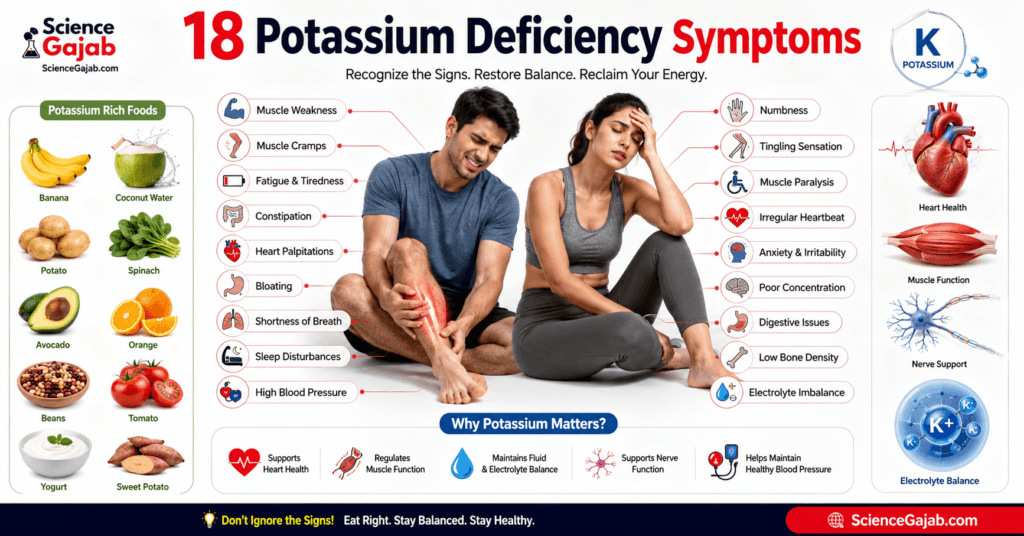
Potassium deficiency, also known as hypokalemia, occurs when the level of potassium in the blood becomes too low. Potassium is an essential electrolyte that helps regulate muscle contractions, nerve signals, heart rhythm, and fluid balance. Early symptoms often include muscle weakness, fatigue, muscle cramps, constipation, tingling, and heart palpitations. Severe hypokalemia can cause muscle paralysis, abnormal heart rhythms, breathing difficulties, and life-threatening complications if not treated promptly.
Fortunately, most cases improve by treating the underlying cause, increasing potassium-rich foods, and using potassium supplements when prescribed by a healthcare professional.
Potassium deficiency (hypokalemia) may cause muscle weakness, fatigue, cramps, constipation, tingling, and heart palpitations. Severe cases can lead to dangerous heart rhythm disturbances and muscle paralysis. Most cases improve by treating the underlying cause, eating potassium-rich foods, and using supplements only when prescribed by a healthcare professional.
Table of Contents
- What Is Potassium?
- Why Is Potassium Important?
- Who Is at Risk?
- 18 Potassium Deficiency Symptoms
- Causes
- Risk Factors
- Diagnosis
- Treatment
- Best Potassium-Rich Foods
- Prevention
- FAQs
- Key Takeaways
18 Calcium Deficiency Symptoms You Should Never Ignore (Hypocalcemia Warning Signs)
What Is Potassium?
Potassium is an essential electrolyte that helps every cell in your body function properly. Unlike vitamins, electrolytes carry electrical charges that allow nerves, muscles, and the heart to work normally.
About 98% of the body’s potassium is stored inside cells, especially in muscles. Only a small amount circulates in the bloodstream, but this small amount is critical for maintaining normal body functions.
Even a modest drop in blood potassium can affect muscle strength, heart rhythm, and nerve signaling.
Why Is Potassium Important?
Potassium plays several essential roles in the body.
It helps:
- Maintain a normal heartbeat
- Support healthy muscle contractions
- Transmit nerve signals
- Balance body fluids
- Help regulate blood pressure
- Support normal kidney function
- Maintain healthy muscle and nerve cells
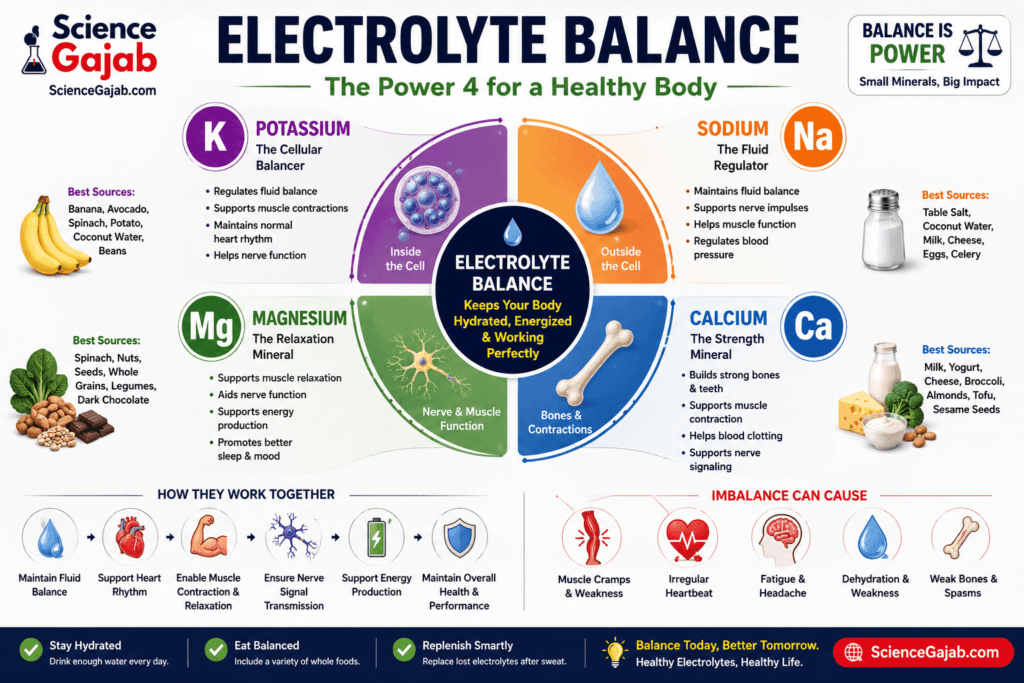
Potassium works closely with sodium, magnesium, and calcium to maintain electrolyte balance.
18 Zinc Deficiency Symptoms You Should Never Ignore (Early Warning Signs)
Who Is Most at Risk?
Potassium deficiency is more likely in:
- People taking diuretic (“water”) medications
- Individuals with prolonged vomiting or diarrhea
- People with eating disorders
- Older adults
- People with kidney disorders that increase potassium loss
- Individuals with poorly controlled diabetes
- People with excessive sweating due to endurance sports or heat exposure
- Individuals using certain laxatives for long periods
Early Potassium Deficiency Symptoms
Symptoms often develop gradually and may be mild at first.
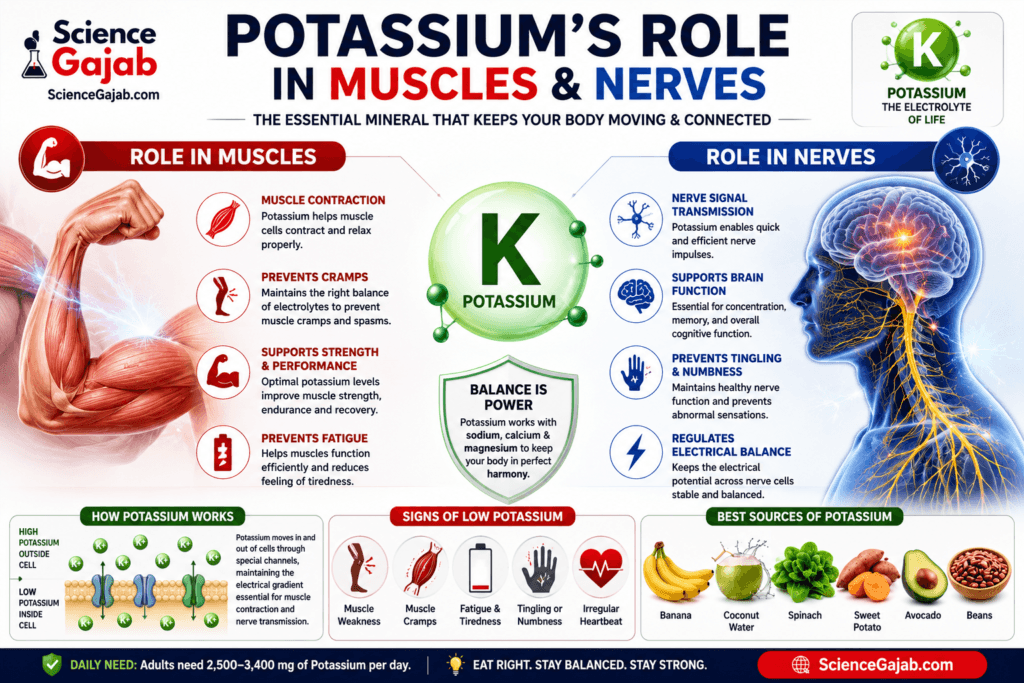
1. Muscle Weakness
Muscle weakness is one of the most common symptoms of hypokalemia.
People may notice:
- Difficulty climbing stairs
- Weak grip strength
- Difficulty lifting objects
- Feeling tired during normal activities
Because potassium helps muscles contract, low levels can reduce muscle performance.
20 Magnesium Deficiency Symptoms You Should Never Ignore (Early Warning Signs)
2. Fatigue
Many people experience:
- Low energy
- Tiredness throughout the day
- Reduced exercise tolerance
- Feeling exhausted without obvious reason
Fatigue has many causes, including anemia, thyroid disease, infections, and other nutritional deficiencies.
3. Muscle Cramps
Low potassium interferes with normal muscle contraction.
Common locations include:
- Calves
- Feet
- Hands
- Thighs
Cramps may become worse during exercise or at night.
🏃♂️ How Your Body Moves: The Science of Locomotion & Movement in 5 Minutes– A Complete Guide
4. Constipation
Potassium helps regulate smooth muscle movement in the digestive tract.
When potassium levels fall, bowel movements may slow, leading to:
- Constipation
- Bloating
- Abdominal discomfort
5. Tingling and Numbness
Low potassium may affect nerve signaling.
Symptoms include:
- Pins-and-needles sensation
- Tingling in hands
- Tingling in feet
- Numbness around the mouth
Persistent numbness requires medical evaluation because it has many possible causes.
Tingling in Hands and Feet: Causes, Symptoms & When to Worry
Did You Know?
Your body cannot produce potassium. It must be obtained from foods such as fruits, vegetables, legumes, dairy products, and potatoes. Most healthy adults can meet their needs through a balanced diet.
Doctor’s Tip
Muscle weakness, cramps, and fatigue are not unique to potassium deficiency. Similar symptoms can occur with magnesium deficiency, calcium deficiency, dehydration, thyroid disorders, or neurological conditions. Blood tests are often required to identify the exact cause.
6. Heart Palpitations
Potassium is essential for maintaining a normal heartbeat.
When potassium levels become too low, you may notice:
- Heart pounding
- Fluttering sensation
- Skipped beats
- Rapid heartbeat
Palpitations can have many causes, but severe hypokalemia can lead to dangerous heart rhythm disturbances.
🚨 Early Signs of Vitamin B12 Deficiency — Don’t Ignore These Warning Signals!
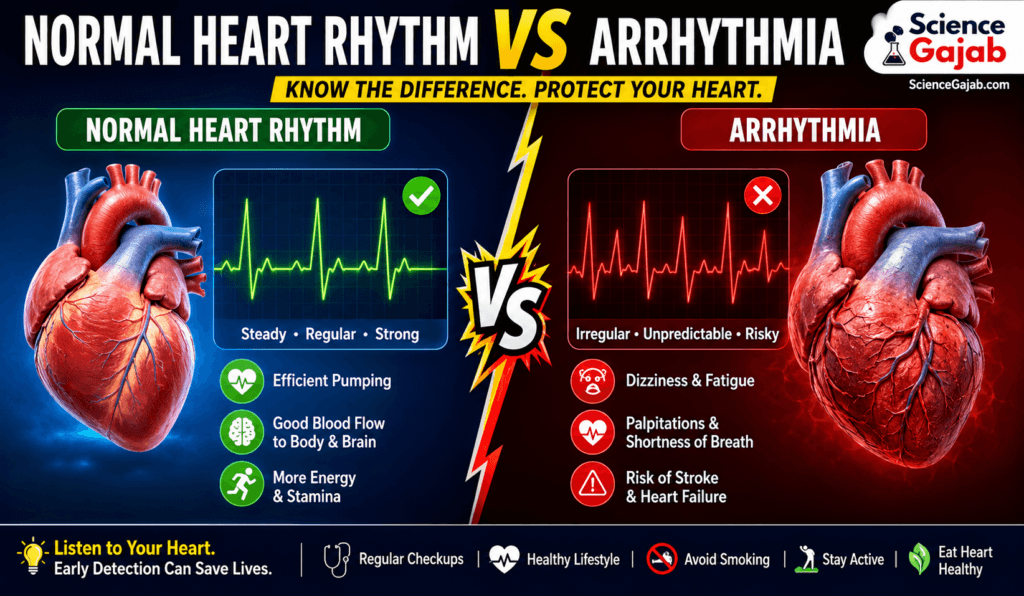
7. Irregular Heartbeat (Arrhythmia)
Potassium helps control the electrical signals that regulate the heartbeat.
Low potassium may contribute to:
- Irregular heartbeat
- Slow heartbeat
- Fast heartbeat
- Dizziness due to rhythm disturbances
This is especially important in people with heart disease or those taking certain heart medications.
Seek immediate medical attention if palpitations are accompanied by chest pain, fainting, or severe shortness of breath.
Why Does the Heart Beat Faster During Exercise? | Science Explained
8. Difficulty Breathing
Severe potassium deficiency can weaken the muscles involved in breathing.
Symptoms may include:
- Shortness of breath
- Difficulty taking deep breaths
- Feeling breathless with minimal activity
This is uncommon but can occur in severe hypokalemia.
15 Folate Deficiency Symptoms You Should Never Ignore (Vitamin B9 Deficiency)
9. Muscle Twitching
Low potassium may interfere with normal nerve impulses.
People sometimes notice:
- Eyelid twitching
- Finger twitching
- Leg muscle twitching
- Small involuntary muscle movements
Why Do Eyes Twitch? (Simple Explanation You Can Trust)
10. Muscle Paralysis
Very low potassium levels can cause severe muscle weakness that may progress to temporary paralysis.
Symptoms include:
- Difficulty standing
- Difficulty walking
- Inability to lift the arms or legs
This is a medical emergency requiring immediate treatment.
What Happens During Paralysis? (Simple Human Body Guide)
11. Frequent Urination
Some people with hypokalemia experience:
- Passing urine more often
- Increased thirst
- Difficulty concentrating urine
Persistent symptoms should be evaluated by a healthcare professional.
12. Increased Thirst
Low potassium may affect kidney function, leading to excessive thirst in some individuals.
13. Low Blood Pressure
Some people develop:
- Lightheadedness
- Dizziness when standing
- Feeling faint
Blood pressure changes may occur for many reasons and should be medically assessed.
Why Does Blood Pressure Suddenly Increase? (Simple Explanation You Can Trust)
14. Poor Reflexes
Severe hypokalemia may reduce nerve conduction, leading to:
- Slower reflexes
- Reduced muscle response
- Difficulty coordinating movements
Reflex Action Explained Simply: How Your Body Reacts Before You Even Think
15. Difficulty Concentrating
People may report:
- Brain fog
- Poor focus
- Reduced productivity
- Trouble remembering information
These symptoms are not specific to potassium deficiency.
15 Vitamin K Deficiency Symptoms You Should Never Ignore (Early Warning Signs)
16. Mood Changes
Low potassium may contribute to:
- Irritability
- Anxiety
- Mood swings
- Feeling mentally exhausted
Mood symptoms should always be interpreted alongside other clinical findings.
15 Vitamin A Deficiency Symptoms You Should Never Ignore (Early Warning Signs)
17. Rhabdomyolysis (Rare)
Extremely severe potassium deficiency can damage muscle tissue, leading to rhabdomyolysis, a serious condition in which muscle fibers break down.
Possible symptoms include:
- Severe muscle pain
- Dark-colored urine
- Marked weakness
This requires emergency medical care.
15 Vitamin E Deficiency Symptoms You Should Never Ignore (Early Warning Signs)
18. Kidney Problems
Long-standing potassium deficiency may affect kidney function and the kidneys’ ability to concentrate urine.
Possible signs include:
- Frequent urination
- Increased thirst
- Reduced kidney concentrating ability
Functions of the Kidney: 12 Essential Roles Your Kidneys Play in Keeping You Healthy
Common Causes of Potassium Deficiency
1. Vomiting
Repeated vomiting causes significant potassium loss.
Common causes include:
- Gastroenteritis
- Pregnancy-related vomiting
- Eating disorders
Can Low Vitamins Damage Nerves? (Simple Explanation You Can Trust)
2. Diarrhea
Persistent diarrhea is one of the most common causes of potassium depletion.
3. Diuretic Medications
Certain “water pills” increase potassium loss through urine.
Examples include:
- Loop diuretics
- Thiazide diuretics
Never stop prescribed medications without consulting your healthcare provider.
Why Do Dark Circles Suddenly Appear? (Simple Explanation You Can Trust)
4. Excessive Sweating
Heavy sweating during:
- Endurance exercise
- Hot weather
- Fever
may contribute to potassium loss, particularly if fluids and electrolytes are not adequately replaced.
5. Poor Dietary Intake
Although uncommon by itself, a diet consistently low in potassium-rich foods can contribute to deficiency.
6. Eating Disorders
Conditions such as:
- Bulimia nervosa
- Anorexia nervosa
may increase the risk because of poor nutrition and vomiting.
Chemical Coordination & Integration Explained Simply (Endocrine System, Hormones, Functions)
7. Poorly Controlled Diabetes
High blood sugar levels may increase urinary potassium loss in some people.
8. Certain Hormonal Disorders
Some hormonal conditions can increase potassium loss through the kidneys and require specialist evaluation.
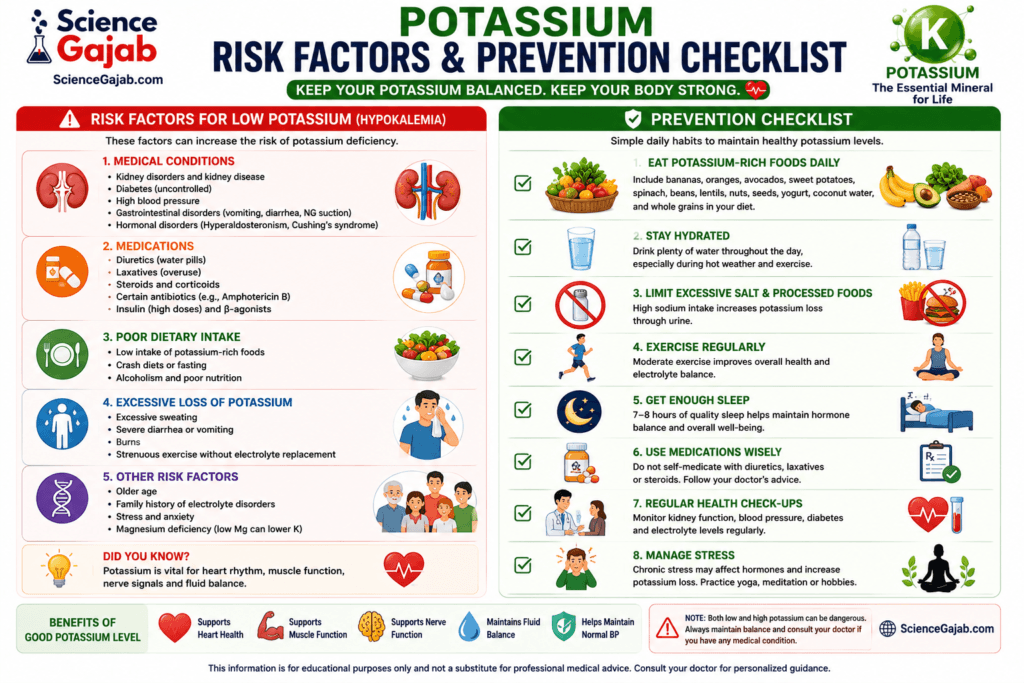
Risk Factors
People at higher risk include:
- Older adults
- Athletes
- People with chronic diarrhea
- Patients taking diuretics
- Individuals with kidney disorders affecting potassium balance
- People with eating disorders
- Individuals with poorly controlled diabetes
- People with prolonged vomiting
Why do we sneeze suddenly? The Simple Science Explained
Potassium Deficiency vs Magnesium Deficiency
| Potassium Deficiency | Magnesium Deficiency |
|---|---|
| Muscle weakness | Muscle cramps |
| Constipation | Eyelid twitching |
| Heart palpitations | Tremors |
| Muscle paralysis (severe) | Tetany (severe) |
| Low blood potassium | Low blood magnesium |
| Often caused by vomiting/diuretics | Often associated with digestive disorders or certain medications |
Both deficiencies can occur together, so healthcare professionals may test for multiple electrolyte abnormalities.
How Is Potassium Deficiency Diagnosed?
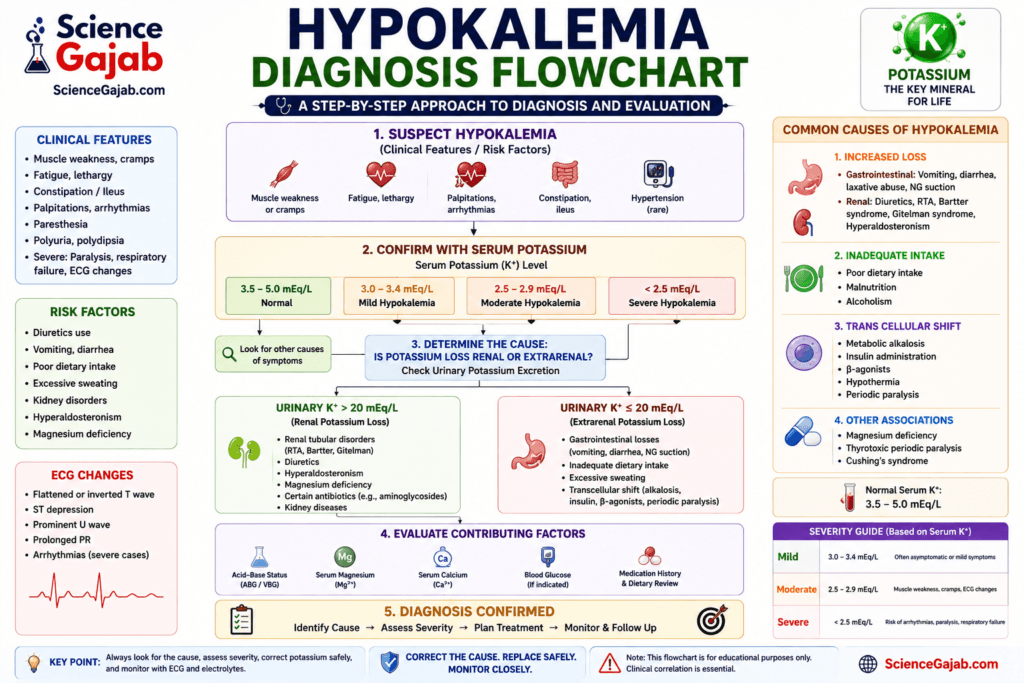
A healthcare professional may recommend:
Medical History
Questions about:
- Vomiting or diarrhea
- Current medications
- Diet
- Kidney disease
- Blood pressure
- Diabetes
Signs of Diabetes Visible on Feet: 10 Warning Signs You Should Never Ignore
Physical Examination
The doctor may check for:
- Muscle weakness
- Reflexes
- Heart rhythm
- Signs of dehydration
- Blood pressure
Blood Tests
Common investigations include:
- Serum potassium
- Serum magnesium
- Serum calcium
- Kidney function tests
- Blood glucose
- Acid-base balance, if indicated
Complete Blood Count (CBC) Explained: What Every Blood Test Value Means
Electrocardiogram (ECG)
An ECG may be performed because potassium abnormalities can affect the heart’s electrical activity.
Possible Complications
If untreated, potassium deficiency may lead to:
- Persistent muscle weakness
- Cardiac arrhythmias
- Temporary paralysis
- Kidney dysfunction
- Rhabdomyolysis (rare)
- Life-threatening complications in severe cases
Early diagnosis and treatment significantly reduce these risks.
How to Read Electrocardiograph (ECG)?
Can Potassium Deficiency Be Treated?
Yes. Potassium deficiency (hypokalemia) is usually treatable once the underlying cause is identified. Treatment depends on:
- Severity of potassium deficiency
- Underlying medical conditions
- Kidney function
- Current medications
- Presence of magnesium deficiency
- Symptoms and ECG findings
Mild cases often improve with dietary changes, while moderate or severe hypokalemia may require oral or intravenous potassium under medical supervision.
Important: Severe hypokalemia can be life-threatening and should never be treated without medical supervision.
Early Signs of Serious Disease You Should Never Ignore
Treatment Options
1. Eat More Potassium-Rich Foods
For mild deficiency, increasing dietary potassium is usually the first recommendation.
Excellent sources include:
- Potatoes
- Sweet potatoes
- Spinach
- Bananas
- Coconut water
- Avocados
- Beans
- Lentils
- Yogurt
- Tomatoes
2. Potassium Supplements
If dietary intake is not enough, a healthcare professional may prescribe potassium supplements.
Common forms include:
- Potassium chloride
- Potassium citrate
- Potassium bicarbonate
The appropriate supplement depends on the cause of the deficiency and should only be taken under medical guidance because excessive potassium can also be dangerous.
3. Correct Magnesium Deficiency
Low magnesium often makes potassium deficiency difficult to correct.
If both deficiencies are present, healthcare professionals may treat magnesium deficiency at the same time.
What Causes a Crawling Sensation on the Skin? (Simple Explanation You Can Trust)
4. Treat the Underlying Cause
Long-term improvement depends on addressing the reason for potassium loss.
Examples include:
- Persistent vomiting or diarrhea
- Medication-related potassium loss
- Hormonal disorders
- Poorly controlled diabetes
- Kidney disorders
Silent Signs of Heart Disease You Should Never Ignore
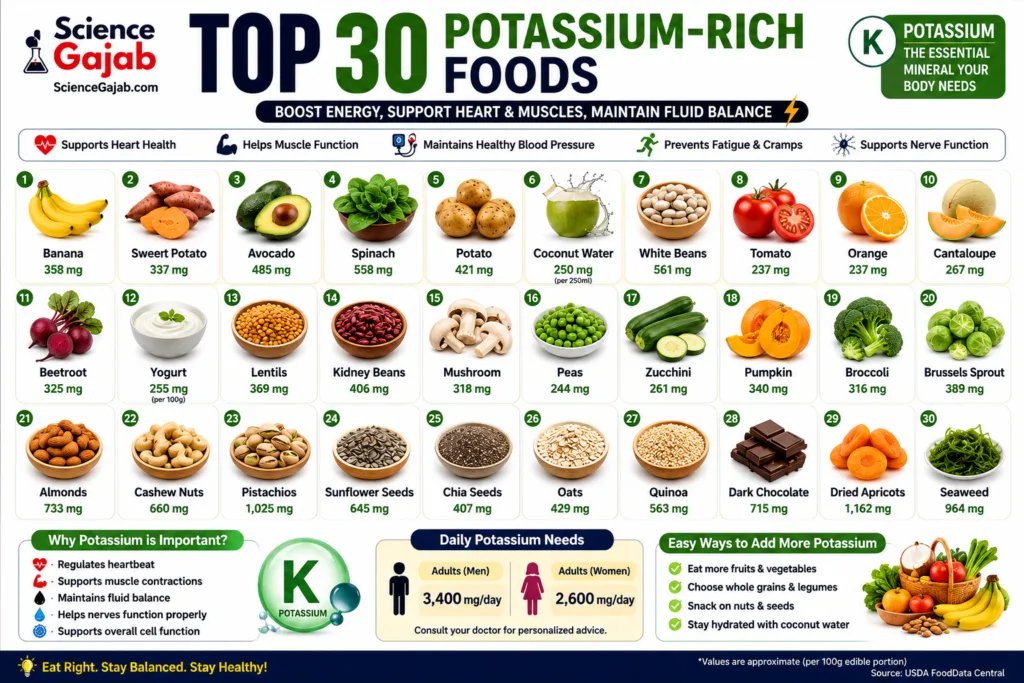
30 Best Potassium-Rich Foods
Fruits
| Food | Potassium (Approx./100 g) |
|---|---|
| Dried apricots | 1160 mg |
| Avocado | 485 mg |
| Banana | 358 mg |
| Orange | 181 mg |
| Kiwi | 312 mg |
| Cantaloupe | 267 mg |
Vegetables
| Food | Potassium |
|---|---|
| Potato (baked) | 535 mg |
| Sweet potato | 337 mg |
| Spinach | 558 mg |
| Beet greens | 909 mg |
| Tomato | 237 mg |
| Pumpkin | 340 mg |
Legumes
| Food | Potassium |
|---|---|
| White beans | 561 mg |
| Kidney beans | 405 mg |
| Lentils | 369 mg |
| Chickpeas | 291 mg |
| Soybeans | 515 mg |
Dairy
| Food | Potassium |
|---|---|
| Yogurt | 255 mg |
| Milk | 150 mg |
Seafood
| Food | Potassium |
|---|---|
| Salmon | 490 mg |
| Tuna | 441 mg |
| Mackerel | 436 mg |
Top 30 Potassium-Rich Foods
- Dried apricots
- Beet greens
- White beans
- Spinach
- Potato
- Soybeans
- Salmon
- Avocado
- Tuna
- Mackerel
- Kidney beans
- Lentils
- Banana
- Sweet potato
- Pumpkin
- Kiwi
- Chickpeas
- Coconut water
- Yogurt
- Tomato
- Orange
- Mushrooms
- Broccoli
- Brussels sprouts
- Raisins
- Papaya
- Watermelon
- Pomegranate
- Milk
- Peas
Foods That Help Maintain Healthy Potassium Levels
A balanced diet is the best way to maintain potassium levels.
Include:
- Fresh fruits
- Green vegetables
- Beans
- Lentils
- Dairy products (if tolerated)
- Fish
- Whole grains
Choose minimally processed foods whenever possible.
Why Do Ears Ring Suddenly? (Simple Explanation You Can Trust)
Foods That May Increase Potassium Loss
Certain situations can lower potassium levels:
- Persistent vomiting
- Chronic diarrhea
- Excessive alcohol intake
- Long-term use of some diuretics
- Excessive laxative use
- Diets very low in fruits and vegetables
Do not stop prescribed medicines without medical advice.
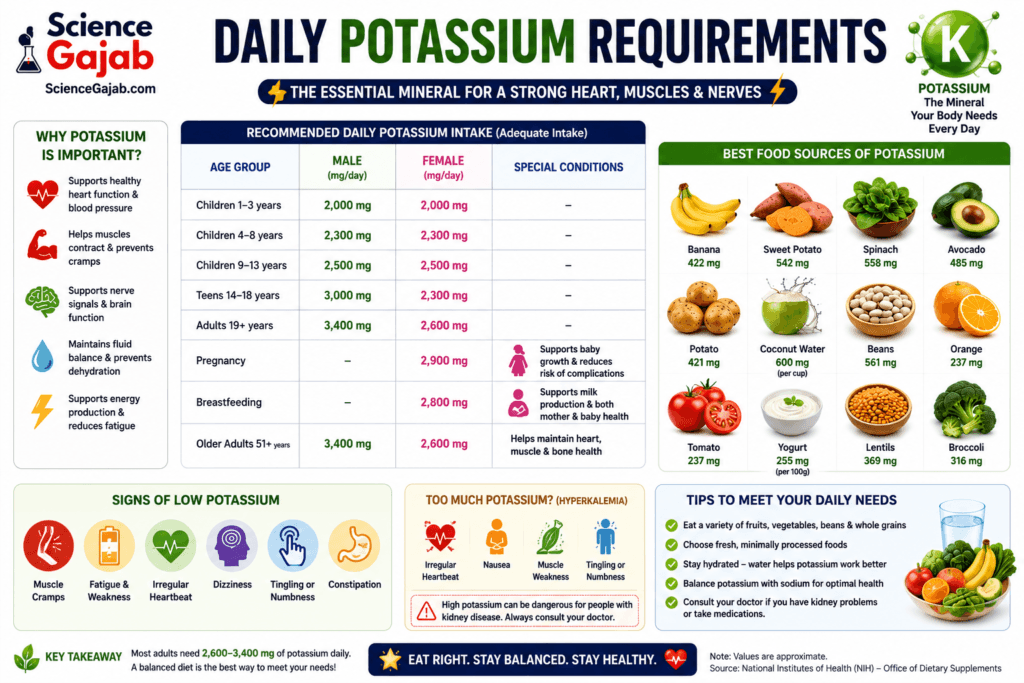
Daily Potassium Requirements
| Group | Adequate Intake (Approx.) |
|---|---|
| Adult Men | 3,400 mg/day |
| Adult Women | 2,600 mg/day |
| Pregnant Women | 2,900 mg/day |
| Breastfeeding Women | 2,800 mg/day |
Requirements may vary depending on age, medical conditions, and national dietary guidelines.
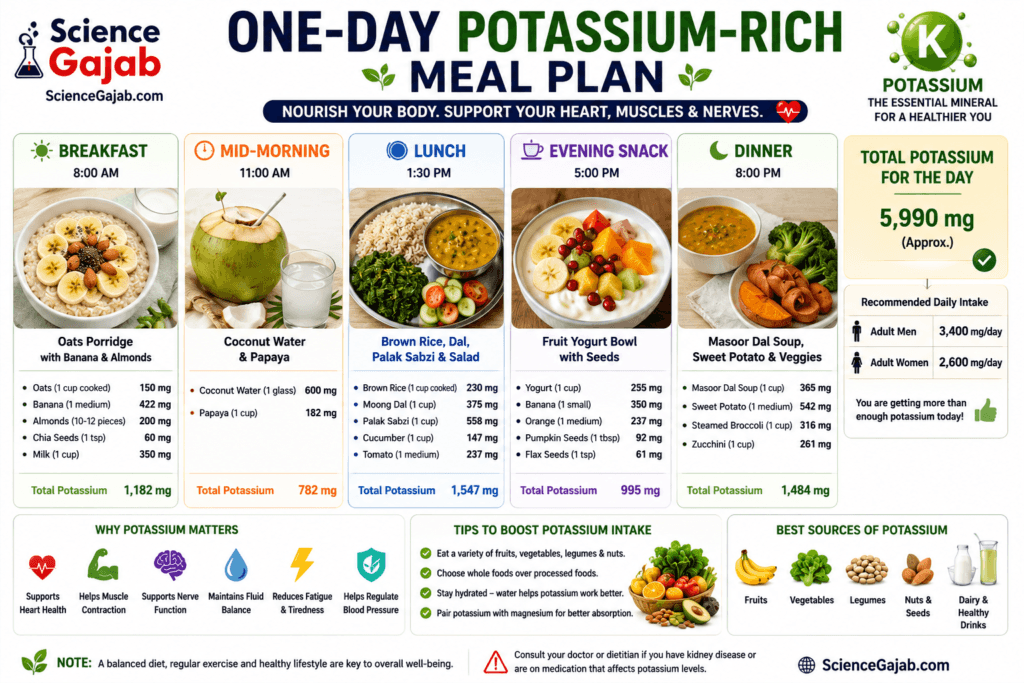
Sample One-Day Potassium-Rich Meal Plan
Breakfast
- Oatmeal
- Banana
- Low-fat yogurt
Mid-Morning Snack
- Coconut water
- Kiwi
Lunch
- Brown rice
- Lentil dal
- Spinach sabzi
- Tomato salad
Evening Snack
- Roasted chickpeas
- Orange
Dinner
- Grilled salmon (or soybeans for a vegetarian option)
- Baked sweet potato
- Steamed broccoli
Can You Get Too Much Potassium?
Yes.
Very high potassium levels (hyperkalemia) can also be dangerous.
This is more likely in:
- People with kidney disease
- Individuals taking certain blood pressure medicines
- People using potassium supplements without medical supervision
Symptoms may include muscle weakness and abnormal heart rhythms. Do not take potassium supplements unless recommended by a healthcare professional.
15 Best Foods to Improve Memory Naturally: Science-Backed Brain Nutrition
Prevention Tips For potassium deficiency symptoms
1✔ Eat potassium-rich fruits and vegetables every day.
2✔ Stay hydrated, especially during illness or heavy exercise.
3✔ Seek medical care for prolonged vomiting or diarrhea.
4✔ Take medications exactly as prescribed.
5✔ Have electrolyte levels checked if you have kidney disease or take long-term diuretics.
6✔ Follow a balanced diet rather than relying on supplements.
Neural Control and Coordination Explained (With Easy Diagrams + Examples)
Doctor’s Advice
Persistent muscle weakness, heart palpitations, or severe cramps should not be ignored. Although potassium deficiency is one possible cause, these symptoms can also result from heart disease, magnesium deficiency, dehydration, thyroid disorders, or neurological conditions. Proper diagnosis requires blood tests and, in some cases, an ECG.
Frequently Asked Questions (FAQs)
1. What is the first sign of potassium deficiency?
Early symptoms of potassium deficiency often include:
- Muscle weakness
- Fatigue
- Muscle cramps
- Constipation
- Tingling or numbness
Some people with mild hypokalemia may have no symptoms until potassium levels fall further.
2. Which foods are highest in potassium?
Excellent dietary sources include:
- Dried apricots
- Potatoes
- Sweet potatoes
- Spinach
- White beans
- Soybeans
- Avocados
- Bananas
- Coconut water
- Salmon
Eating a variety of fruits, vegetables, legumes, and dairy products can help maintain healthy potassium levels.
Back Pain Causes: 20 Reasons Your Back Hurts & When to See a Doctor
3. Can potassium deficiency cause muscle cramps?
Yes.
Potassium is essential for normal muscle contraction. Low potassium may contribute to muscle cramps, weakness, and twitching. However, dehydration, magnesium deficiency, calcium deficiency, and overuse can also cause cramps.
4. Can low potassium affect the heart?
Yes.
Potassium plays a vital role in maintaining a normal heart rhythm. Severe potassium deficiency can increase the risk of abnormal heart rhythms (arrhythmias), which may become life-threatening if not treated.
5. Can potassium deficiency cause constipation?
Yes.
Low potassium can slow the movement of muscles in the digestive tract, leading to constipation and bloating in some people.
Sexual Reproduction in Flowering Plants (Class 12) – Easiest Explanation + Diagrams 🔥
6. Is coconut water good for potassium?
Coconut water naturally contains potassium and can contribute to overall potassium intake. However, it should not be considered a treatment for clinically significant hypokalemia. People with kidney disease or those on potassium-restricted diets should consult their healthcare provider before consuming large amounts.
7. Can potassium deficiency cause paralysis?
Yes, but this is uncommon.
Severe hypokalemia may cause profound muscle weakness or temporary paralysis and requires immediate medical treatment.
8. How is potassium deficiency diagnosed?
Healthcare professionals may recommend:
- Serum potassium level
- Kidney function tests
- Magnesium level
- Blood glucose
- Electrocardiogram (ECG) if heart rhythm abnormalities are suspected
Additional tests may be needed depending on the underlying cause.
Signs of Anemia: 15 Warning Symptoms You Should Never Ignore
9. Can potassium deficiency be cured?
In many cases, yes.
Treatment usually includes correcting the underlying cause, increasing dietary potassium, and using potassium supplements when prescribed by a healthcare professional.
10. Should I take potassium supplements without a prescription?
No.
Potassium supplements should only be taken under medical supervision because excessive potassium (hyperkalemia) can also be dangerous, particularly in people with kidney disease or those taking certain medications.
Key Takeaways
1✔ Potassium is essential for healthy muscles, nerves, heart rhythm, and fluid balance.
2✔ Early symptoms include muscle weakness, fatigue, cramps, constipation, and tingling.
3✔ Severe hypokalemia can cause muscle paralysis, dangerous heart rhythm disturbances, and breathing muscle weakness.
4✔ Potassium-rich foods such as potatoes, spinach, beans, bananas, avocados, and yogurt help maintain healthy potassium levels.
5✔ Persistent symptoms should always be evaluated by a healthcare professional because many medical conditions can mimic potassium deficiency.
Why Does One Side of the Nose Get Blocked? The Surprising Science Behind the Nasal Cycle
References
Support your article with current information from trusted organizations, including:
- World Health Organization (WHO)
- National Institutes of Health (NIH) Office of Dietary Supplements
- National Health Service (NHS)
- American Heart Association (AHA)
Review these resources periodically to keep your article accurate and current.
Medical Disclaimer
This article is for educational purposes only and should not replace professional medical advice, diagnosis, or treatment. If you have symptoms of potassium deficiency or concerns about your health, consult a qualified healthcare professional. Never take potassium supplements without medical advice, as both low and high potassium levels can be dangerous.
“Could You Be Low in Potassium?” Checklist
Include a quick self-assessment:
- □ Frequent muscle cramps
- □ Muscle weakness
- □ Persistent fatigue
- □ Constipation
- □ Heart palpitations
- □ Recent vomiting or diarrhea
- □ Taking diuretic medications
- □ Diet low in fruits and vegetables
If several boxes are checked, recommend consulting a healthcare professional rather than self-diagnosing.
Why Does Skin Become White After Fungal Infection? (Real Reason Doctors Explain)
Myth vs Fact
| Myth | Fact |
|---|---|
| Bananas are the only good source of potassium. | Many foods, including potatoes, beans, spinach, avocados, and yogurt, are also rich in potassium. |
| Everyone with muscle cramps has low potassium. | Muscle cramps have many causes, including dehydration, overuse, magnesium deficiency, and nerve disorders. |
| Potassium supplements are always safe. | Excess potassium can be dangerous and should only be taken under medical supervision. |
| Healthy people need electrolyte drinks every day. | Most people can meet their electrolyte needs through a balanced diet and adequate hydration. |
Comparison Table
| Feature | Potassium Deficiency | Magnesium Deficiency | Calcium Deficiency |
|---|---|---|---|
| Muscle weakness | ✔ Common | ✔ Common | ✔ Common |
| Muscle cramps | ✔ | ✔ | ✔ |
| Constipation | ✔ Common | Sometimes | Rare |
| Eyelid twitching | Less common | ✔ Common | Less common |
| Tingling or numbness | ✔ | ✔ | ✔ |
| Heart rhythm problems | ✔ Severe cases | ✔ Severe cases | ✔ Severe cases |
| Temporary paralysis | ✔ Rare | Rare | Rare |